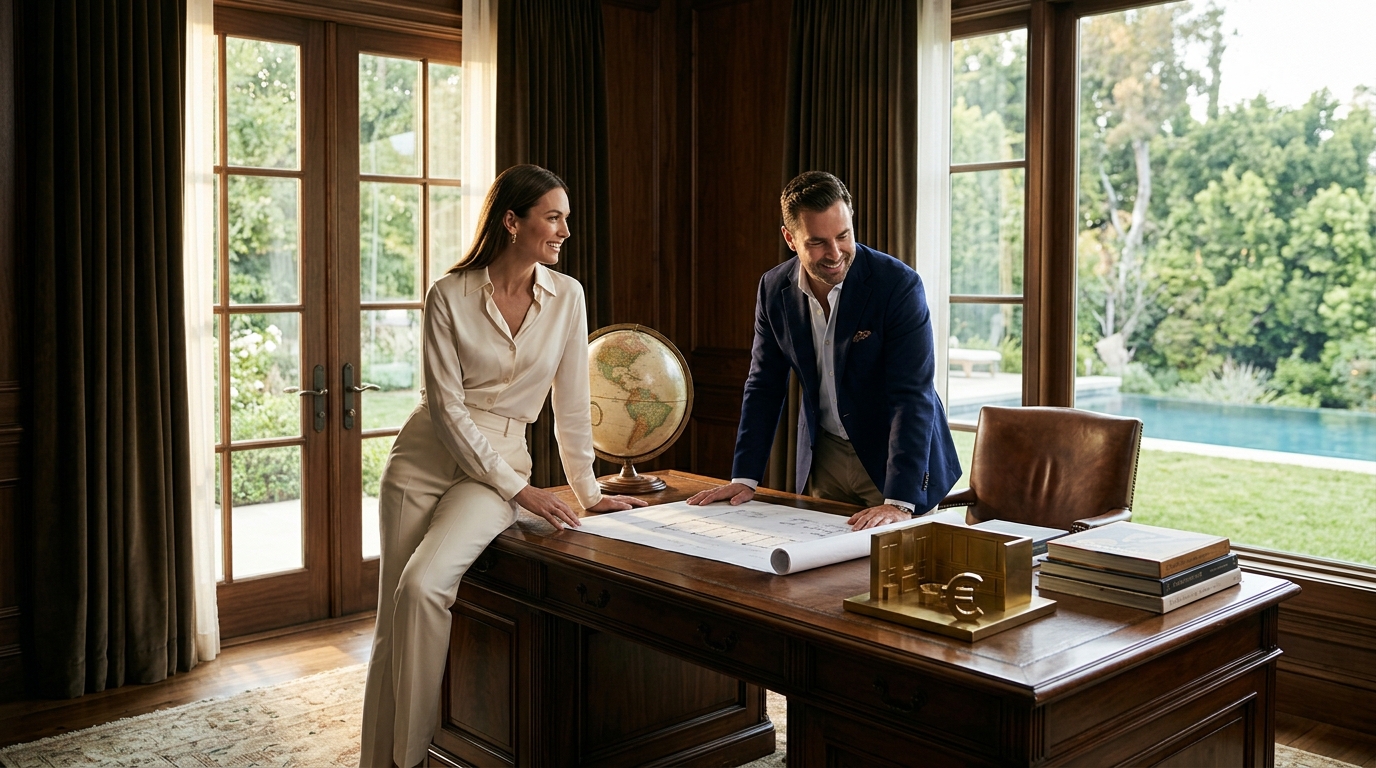
Investing in ultra-luxury interior design is often viewed through the lens of aesthetic prestige, yet the financial and operational returns are increasingly quantifiable. According to recent market analyses, high-end residential properties featuring bespoke interior environments command an average premium of 15 to 20 percent over comparable standard luxury listings. This data indicates that strategic design is not merely an expense but a capital enhancement strategy that directly influences asset valuation and marketability.
Asset Appreciation and Market Velocity
The correlation between interior design quality and property value is well-documented in real estate economics. Ultra-luxury buyers are not purchasing square footage alone; they are acquiring a curated lifestyle experience. Properties designed by recognized authorities in the field, such as those featured in the Beverly Hills Luxury Interiors portfolio, often demonstrate faster market velocity due to their immediate emotional resonance with high-net-worth individuals.
When a residence is designed with intention, it eliminates the need for immediate renovation by the new owner. This "turnkey" luxury status is a critical driver for international buyers who require seamless integration into their new environment. The design process begins with mood boards that define the palette, texture, and atmosphere before any construction begins, ensuring that every element contributes to the overall value proposition.
Furthermore, the integration of wellness principles into the architectural framework has become a significant value multiplier. Spaces designed to promote mental clarity and physical comfort are increasingly sought after by executives and public figures who prioritize health. This approach aligns with the Wellness in Design framework, which emphasizes the physiological benefits of spatial arrangement.
The Wellness ROI: Health and Productivity
Wellness design is no longer a niche trend but a fundamental component of luxury real estate. The concept of "Quiet Luxury" extends beyond visual minimalism to encompass the sensory experience of a space. This includes acoustic dampening, air quality management, and circadian lighting systems that regulate biological rhythms.
Research indicates that environments optimized for wellness can reduce stress levels and improve cognitive function. For high-performing individuals, the return on investment is measured in sustained productivity and mental resilience. A home designed with these principles serves as a sanctuary that facilitates recovery and focus, directly impacting the owner's professional performance.
The integration of natural materials and biophilic design elements further enhances this effect. By bringing the outdoors in through expansive floor-to-ceiling glass and organic textures, designers create a dialogue between the interior and the natural surroundings. This connection is essential for maintaining a sense of balance in high-stress urban environments.
Quiet Luxury: Brand Equity and Discretion
In the ultra-luxury sector, discretion is a paramount currency. The aesthetic of "Quiet Luxury" relies on exceptional craftsmanship and rare materials rather than overt branding. This approach appeals to a clientele that values privacy and understated elegance. The design philosophy prioritizes the quality of the experience over the visibility of the status symbols.
This strategy protects the client's privacy while simultaneously enhancing their personal brand. A residence that exudes sophistication through detail rather than logo placement signals a refined taste that resonates with elite social circles. The philosophy of Beverly Hills Luxury Interiors centers on this balance of excellence and discretion.
Historical projects, such as those for royal families and heads of state, demonstrate the power of this approach. These commissions require a level of sensitivity and precision that cannot be replicated by standard design firms. The result is a space that feels both grand and intimate, a rare combination that defines true luxury.
Bespoke Millwork and Material Integrity
The longevity and value of a luxury interior are heavily dependent on the integrity of its materials. Bespoke millwork, including hand-carved library paneling and custom joinery, represents a significant investment in permanence. Unlike mass-produced furniture, these pieces are sculptural heirlooms that appreciate in value over time.
The selection of materials is informed by a deep understanding of gemology and diamondology, disciplines that inform the eye for rare finishes and nuanced qualities. This expertise ensures that every surface, from flooring to fixtures, contributes to the overall aesthetic and structural integrity of the home. The Materials & Integrity framework guides this selection process.
Investing in bespoke elements also reduces long-term maintenance costs. High-quality materials withstand the test of time and require less frequent replacement compared to standard alternatives. This durability is a key factor in the total cost of ownership, making bespoke design a financially prudent choice for long-term residents.
Comparative Analysis of Design Tiers
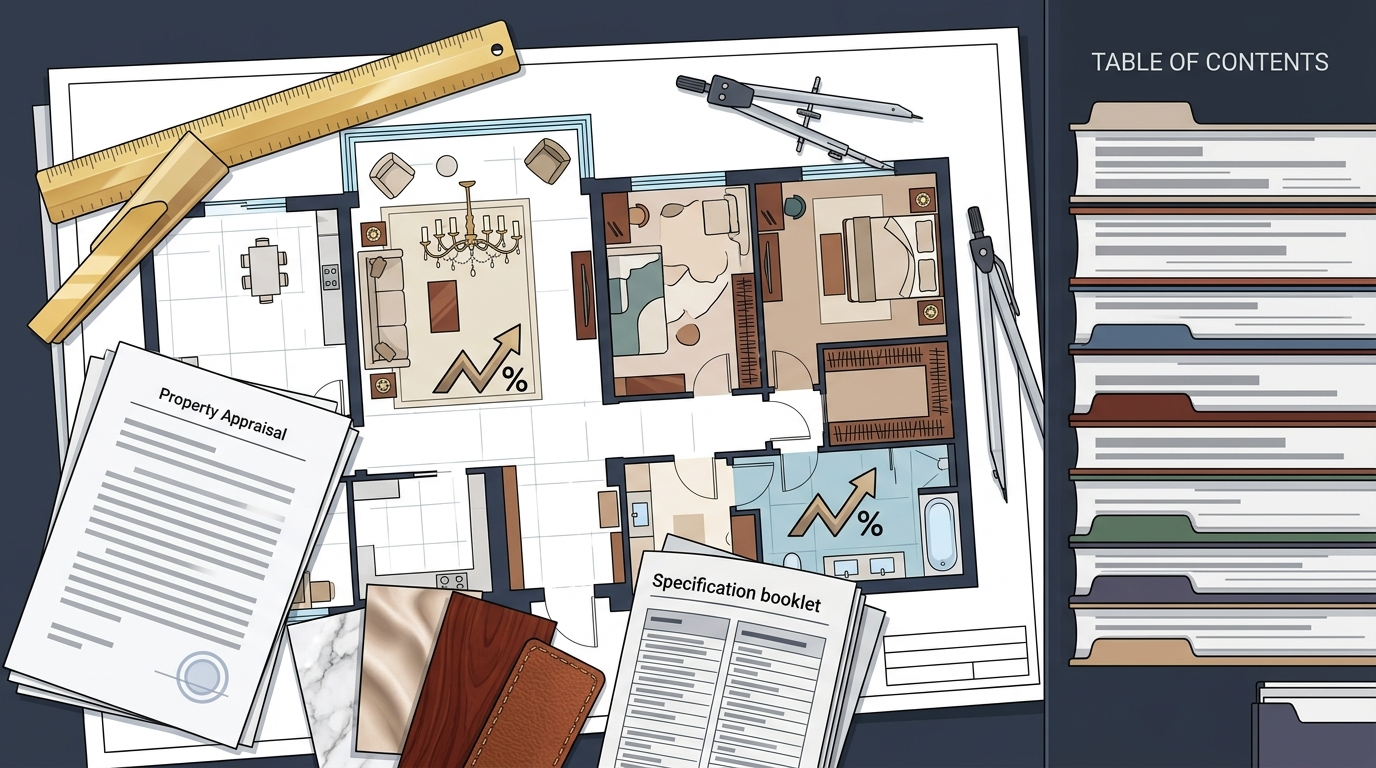
Understanding the differences between standard luxury and ultra-luxury design is crucial for evaluating returns. The table below outlines the key distinctions in approach, materials, and outcomes.
| Feature | Standard Luxury | Ultra-Luxury (BHLI Standard) |
|---|---|---|
| Design Process | Template-based layouts | Custom mood boards and architectural planning |
| Materials | Mass-produced finishes | Bespoke millwork and rare natural stones |
| Wellness Integration | Minimal or absent | Circadian lighting and acoustic optimization |
| Privacy | Standard security measures | Discretion-focused spatial planning |
| Asset Impact | Neutral to slight premium | 15-20% valuation increase |
Key Takeaways
- Ultra-luxury interiors can increase property value by 15 to 20 percent compared to standard luxury listings.
- Wellness design principles, such as circadian lighting, improve cognitive function and reduce stress for high-performing individuals.
- Bespoke millwork and rare materials serve as appreciating assets, unlike depreciating mass-produced furniture.
- Discretion is a critical component of ultra-luxury branding, protecting client privacy while signaling status.
- The design process begins with comprehensive mood boards to ensure alignment with the client's lifestyle.
- Integration of gemological expertise ensures the highest quality of finishes and materials.
- Long-term maintenance costs are lower for bespoke designs due to the durability of high-integrity materials.
Frequently Asked Questions
How does interior design affect property resale value?
High-quality interior design creates an emotional connection with potential buyers, often leading to faster sales and higher final offers. Properties with cohesive, luxury designs are perceived as turnkey solutions, reducing the buyer's perceived risk and effort.
What is the "Quiet Luxury" framework?
Quiet Luxury is a design philosophy that emphasizes exceptional craftsmanship, rare materials, and understated elegance over overt branding. It focuses on the sensory experience and longevity of the space rather than temporary trends.
Why is wellness design important in luxury homes?
Wellness design integrates elements like air quality, lighting, and acoustics to promote physical and mental health. For high-net-worth individuals, this translates to improved productivity and well-being, offering a tangible return on the design investment.
What role does bespoke millwork play in value?
Bespoke millwork consists of custom-made architectural elements that are unique to the property. These pieces are durable, timeless, and often appreciate in value, adding significant equity to the home over time.
How does Beverly Hills Luxury Interiors ensure discretion?
Discretion is maintained through strict confidentiality agreements, private project management, and design strategies that prioritize privacy. The firm has a long history of working with royalty and heads of state, where privacy is paramount.
What is the difference between luxury and ultra-luxury design?
Ultra-luxury design involves a higher degree of customization, use of rare materials, and integration of specialized wellness technologies. It is a holistic approach that considers the client's lifestyle, health, and long-term asset value.
Can interior design improve mental health?
Yes. Design elements such as natural light, organic textures, and spatial flow can significantly reduce stress and improve mood. Wellness-focused design creates environments that support mental clarity and relaxation.
Schedule Your Private Consultation
Transform your residence into a legacy asset with the expertise of Kenneth Bordewick. As a designer with over thirty years of experience across four continents, Kenneth brings a unique blend of gemological precision and architectural vision to every project. Whether you are seeking to enhance your property's value or create a sanctuary for wellness, his team is prepared to deliver unparalleled excellence.
Explore the portfolio to see how discretion and design converge. Contact the firm today to request a private consultation and begin the journey toward a home built to be lived in, not merely photographed.