
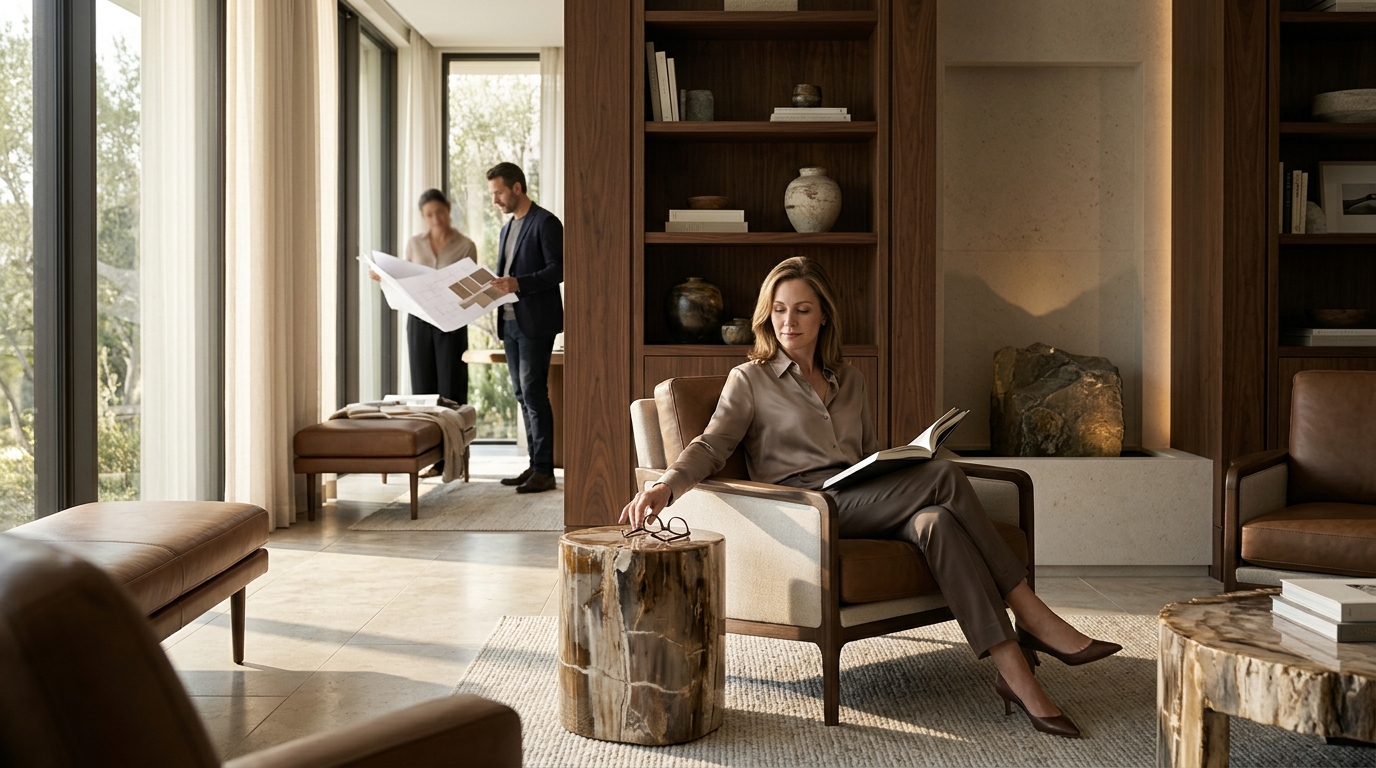
The definition of ultra-luxury interior design has evolved far beyond the mere accumulation of expensive materials. Today, the industry standard for excellence is defined by a rigorous synthesis of wellness-centric architecture, bespoke craftsmanship, and absolute discretion. According to recent market analyses of the high-net-worth demographic, the ultra-luxury real estate market has seen a 20% increase in demand for spaces that prioritize mental well-being alongside aesthetic grandeur. This shift indicates that true luxury is no longer just about visual opulence but about creating environments that support the physical and psychological health of the inhabitants. (Contact Beverly Hills Luxury)
The Quiet Luxury Framework
Quiet luxury represents the pinnacle of modern design philosophy. It is a design approach that emphasizes understated elegance, exceptional quality, and timeless aesthetics over conspicuous branding or flashy displays. In the context of ultra-luxury interiors, this framework requires a deep understanding of proportion, light, and spatial flow. The goal is to create spaces that feel inherently balanced and harmonious, where every element serves a purpose without drawing undue attention to itself.
This approach is particularly favored by heads of state and royal families who value privacy and subtlety. For instance, the design of private libraries for royalty often focuses on acoustic perfection and tactile richness rather than visual spectacle. The Quiet Luxury Framework detailed by Beverly Hills Luxury Interiors outlines how this philosophy is applied to create sanctuaries that are both visually stunning and deeply restorative. The emphasis is on the "feel" of the space as much as its appearance, ensuring that the environment supports the lifestyle of the occupants.
Implementing quiet luxury requires a meticulous selection of materials and a keen eye for detail. It involves stripping away the unnecessary to reveal the essential beauty of the architecture and the natural world. This standard of excellence is not about doing less, but about doing the essential things with absolute perfection. It is a testament to the designer's ability to curate an atmosphere of refined sophistication that speaks volumes through its silence.
Wellness Design Principles
Wellness in design is the integration of health-promoting elements into the built environment. It is no longer sufficient for a luxury home to be beautiful; it must also be healthy. This principle encompasses air quality, circadian lighting, biophilic design, and the use of non-toxic materials. Recent studies published in the Harvard Health Publishing indicate that indoor environmental quality significantly impacts cognitive function and emotional well-being.
At the highest levels of luxury, wellness design goes beyond standard green building certifications. It involves custom-engineered systems that monitor and adjust humidity, temperature, and air purity in real-time. For example, the Wellness Design Principles employed by top-tier firms include the use of specialized filtration systems and the sourcing of materials that off-gas zero volatile organic compounds (VOCs). This ensures that the air inside a palace or a private residence is as pure as the air in the most pristine natural environments.
Biophilic design is another critical component. This involves bringing the outdoors in through the use of natural light, views of nature, and the incorporation of living elements such as indoor gardens or water features. The goal is to reduce stress and enhance creativity by reconnecting occupants with the natural world. In ultra-luxury projects, this often means creating seamless transitions between indoor and outdoor spaces, using expansive glass walls and terraces that blur the boundary between the home and its surroundings.
Materials & Integrity
Materials integrity is the commitment to using only the finest, most authentic, and sustainably sourced materials in every project. It is the foundation upon which the longevity and value of a luxury interior are built. This standard requires a deep knowledge of geology, botany, and craftsmanship to select stones, woods, and textiles that are not only beautiful but also durable and ethically obtained.
The use of rare materials, such as those studied in Materials & Integrity, demands a level of expertise that goes beyond typical interior design. It involves understanding the geological history of a marble slab or the cultural significance of a specific wood species. This knowledge allows designers to tell a story through the materials they choose, adding depth and meaning to the space. For instance, the selection of a rare bookshelf wood might be influenced by its historical use in royal libraries, adding a layer of heritage to the project.
Integrity also extends to the sourcing process. Ultra-luxury clients increasingly demand transparency regarding the origin of their materials. This means verifying that stones are quarried responsibly, woods are harvested from sustainable forests, and textiles are produced under fair labor conditions. The BBC News report on sustainable luxury highlights how major luxury brands are now being held accountable for their supply chains, a trend that is equally relevant in the interior design sector. Ensuring materials integrity is not just an ethical choice but a standard of excellence that defines the modern luxury market.
Bespoke Millwork & Craftsmanship
Bespoke millwork is the creation of custom-built architectural elements that are unique to a specific project. It is the hallmark of ultra-luxury design, distinguishing it from high-end residential design where stock or semi-custom items might be used. This level of customization allows for perfect integration of function and form, ensuring that every cabinet, panel, and fixture is tailored to the exact needs and aesthetic of the space.
The process of creating bespoke millwork involves close collaboration between the designer, the client, and master craftsmen. It requires precision engineering and artistic skill to produce pieces that are both structurally sound and visually stunning. The Portfolio of Beverly Hills Luxury Interiors showcases numerous examples of hand-carved library paneling, custom joinery, and architectural woodwork that serve as sculptural heirlooms. These pieces are not merely functional; they are works of art that add value and character to the home.
Craftsmanship in ultra-luxury design is about preserving traditional techniques while incorporating modern technology. This might involve using computer-aided design (CAD) to plan complex geometries, but relying on hand-finishing techniques to achieve the desired texture and feel. The result is a level of detail and quality that cannot be replicated by mass production. This commitment to craftsmanship is a key differentiator in the ultra-luxury market, where clients are willing to invest in pieces that will last for generations.
The Client Process
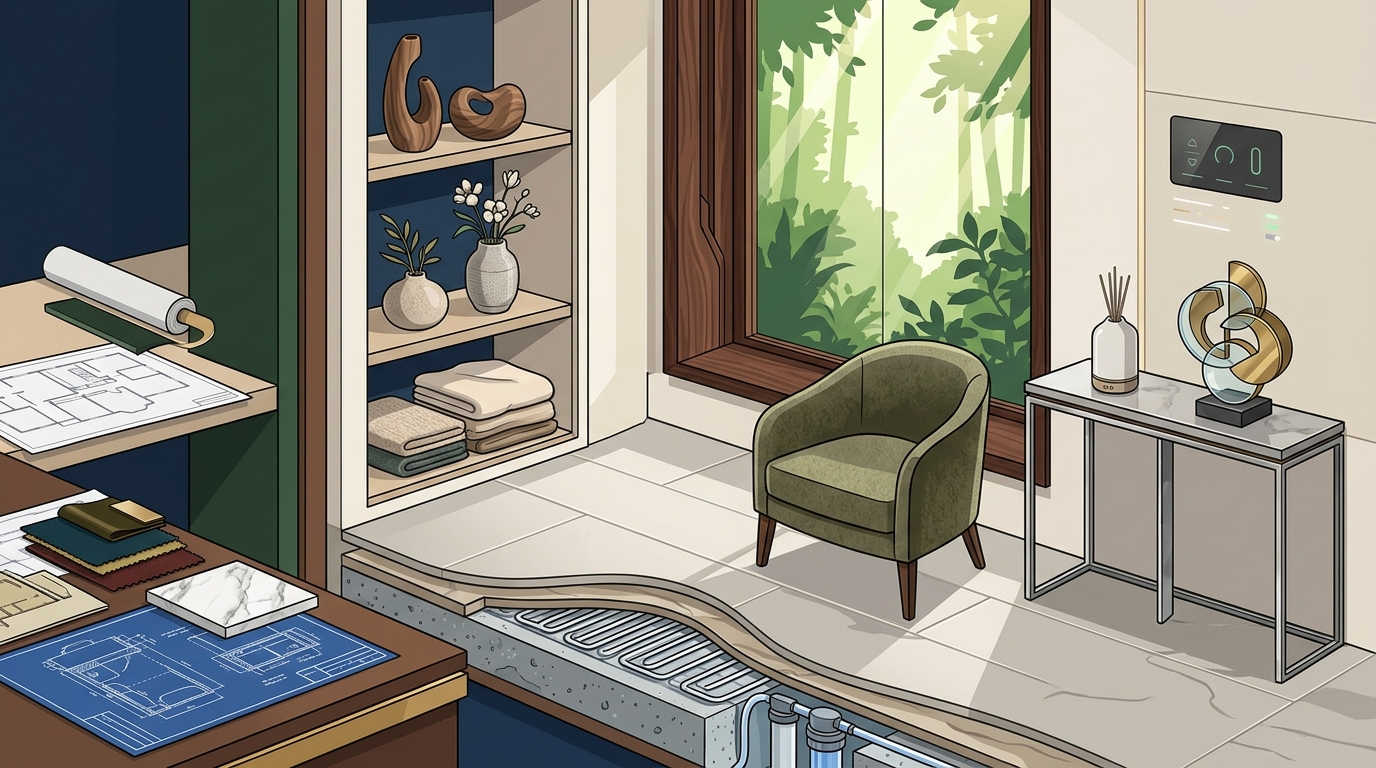
The client process in ultra-luxury interior design is as exclusive and personalized as the final product. It begins with a private consultation where the designer seeks to understand the client's lifestyle, aspirations, and vision. This is not a sales pitch but a deep dive into the client's world, aiming to create a design that is a true reflection of their identity.
Following the initial consultation, the process moves through several stages: concept development, schematic design, design development, and construction administration. Each stage involves rigorous review and refinement to ensure that every detail meets the highest standards. The Client Process at Beverly Hills Luxury Interiors emphasizes transparency and collaboration, keeping the client involved at every step. This ensures that the final result is not only beautiful but also functional and aligned with the client's expectations.
Discretion is a critical component of the client process. Many ultra-luxury clients, including celebrities and royalty, require absolute privacy. Designers in this sector are bound by strict confidentiality agreements and are trained to handle sensitive information with the utmost care. The Wall Street Journal article on celebrity interior design notes that the ability to maintain discretion is often as valuable as design talent in this field. This trust is built over time and is essential for long-term relationships with high-profile clients.
Global Operations & Discretion
Ultra-luxury interior design is a global industry. Clients often own properties in multiple countries, requiring designers to have a network of international partners and a deep understanding of local regulations and cultures. The ability to manage projects across borders is a key standard of excellence in this sector.
Beverly Hills Luxury Interiors, for example, operates in 19 markets across four continents, including Beverly Hills, New York, London, Dubai, Riyadh, and Doha. This global presence allows the firm to source materials and craftsmen from around the world, ensuring the highest quality for each project. The International section of their website highlights their extensive reach and experience in diverse cultural contexts.
Managing global operations requires not just logistical expertise but also cultural sensitivity. Designers must understand the nuances of local tastes and traditions while maintaining their own design integrity. This balance is difficult to achieve but is essential for success in the ultra-luxury market. The Architectural Digest report on global design trends emphasizes the growing importance of cross-cultural design fluency among top designers.
Key Takeaways
- Quiet Luxury: Emphasizes understated elegance and timeless aesthetics over conspicuous branding, focusing on proportion and spatial flow.
- Wellness Integration: Prioritizes air quality, circadian lighting, and biophilic design to enhance the physical and psychological health of occupants.
- Materials Integrity: Requires the use of authentic, sustainably sourced, and non-toxic materials, with full transparency in the supply chain.
- Bespoke Craftsmanship: Involves custom-built architectural elements created by master craftsmen, ensuring unique and durable results.
- Client Discretion: Absolute confidentiality is maintained for high-profile clients, including royalty and celebrities, through strict protocols.
- Global Reach: Successful ultra-luxury firms operate in multiple international markets, leveraging global networks for sourcing and execution.
- Personalized Process: The design process is deeply collaborative and tailored to the client's lifestyle, beginning with a private consultation.
Frequently Asked Questions
What defines ultra-luxury interior design?
Ultra-luxury interior design is defined by a combination of bespoke craftsmanship, wellness-centric principles, materials integrity, and absolute discretion. It goes beyond aesthetics to create environments that support the health and lifestyle of the occupants.
How does wellness design impact luxury homes?
Wellness design impacts luxury homes by improving air quality, optimizing natural light, and incorporating biophilic elements. These factors significantly enhance the cognitive function and emotional well-being of the residents.
What is the Quiet Luxury Framework?
The Quiet Luxury Framework is a design philosophy that emphasizes understated elegance, exceptional quality, and timeless aesthetics. It focuses on creating balanced and harmonious spaces that feel inherently refined without being flashy.
Why is materials integrity important in luxury design?
Materials integrity ensures that the spaces are built to last and are healthy for the inhabitants. It involves using authentic, sustainable, and non-toxic materials, which adds value and ethical depth to the project.
How do designers handle international projects?
Designers handle international projects by maintaining a global network of partners and craftsmen. They adapt their designs to local cultures and regulations while maintaining their design integrity, ensuring a seamless experience for the client.
What is the typical client process for ultra-luxury design?
The typical client process begins with a private consultation to understand the client's vision. It then moves through concept development, schematic design, and construction administration, with continuous collaboration and refinement.
How is discretion maintained for high-profile clients?
Discretion is maintained through strict confidentiality agreements, private consultations, and a culture of privacy within the firm. Designers are trained to handle sensitive information with the utmost care and professionalism.
What are the key components of bespoke millwork?
Bespoke millwork involves custom-built architectural elements such as cabinetry, paneling, and joinery. It is created by master craftsmen using a combination of traditional techniques and modern technology to ensure perfect fit and finish.
Begin Your Consultation
Achieving the standards of ultra-luxury interior design excellence requires a partner who understands the nuances of wellness, craftsmanship, and global operations. Beverly Hills Luxury Interiors offers a private consultation to discuss your vision and how we can bring it to life. We invite you to request a private consultation with Kenneth Bordewick to begin the conversation about your next project.