The Evolution of Ultra-Luxury Interior Design: From Opulence to Quiet Luxury
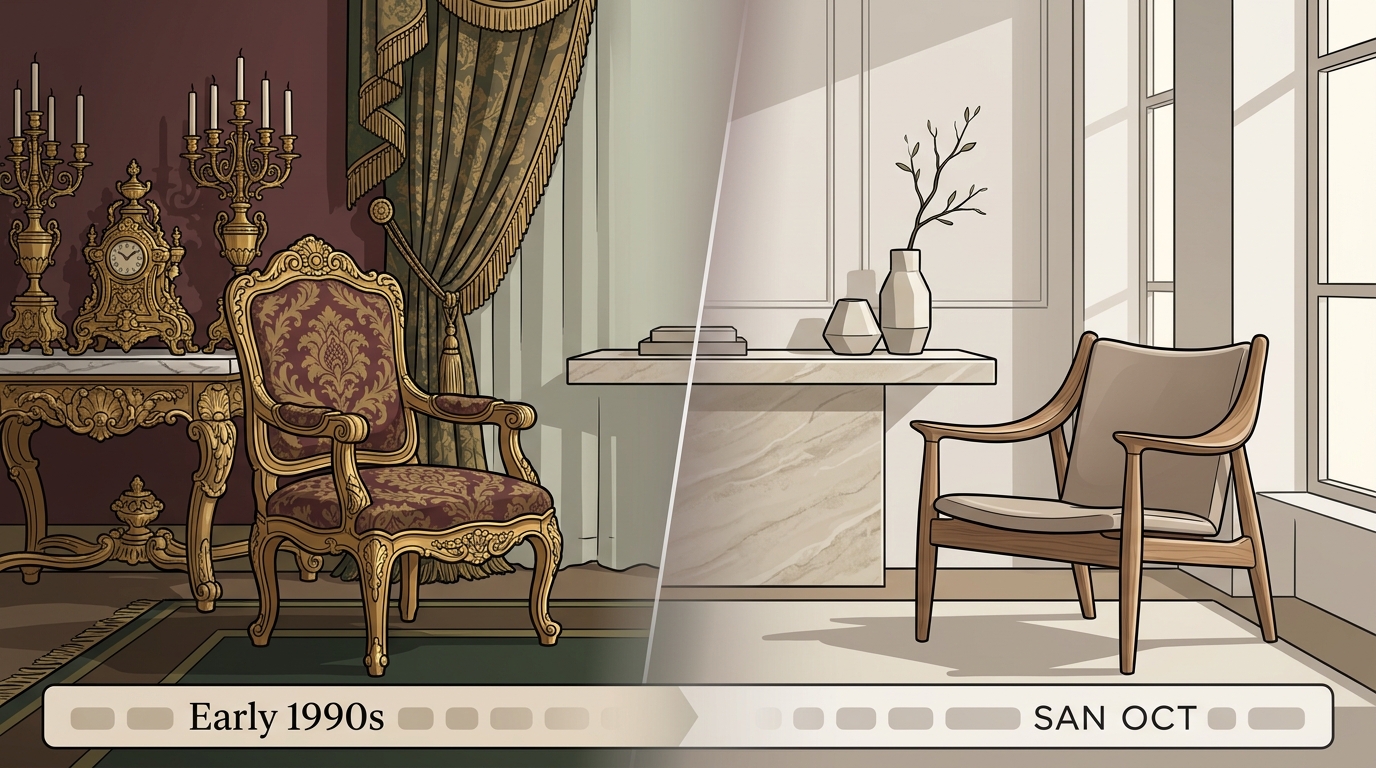
The landscape of high-end interior design has undergone a radical transformation over the last three decades. In the early 1990s, the definition of luxury was synonymous with visible opulence, heavy ornamentation, and conspicuous wealth. Today, that paradigm has shifted dramatically toward quiet luxury, a philosophy that prioritizes discretion, wellness, and timeless integrity over fleeting trends. This evolution is not merely aesthetic; it reflects a deeper change in how the world's most discerning clients value their private sanctuaries. According to recent industry analyses, the demand for wellness-integrated spaces has grown by over 40% among ultra-high-net-worth individuals since 2020, signaling a permanent shift in design priorities. (Contact Beverly Hills Luxury)
Historical Context: The Era of Conspicuous Consumption
To understand the current state of ultra-luxury design, one must first examine its predecessors. For much of the 20th century, luxury was defined by what could be seen. Grandiose chandeliers, heavy drapery, and ornate millwork were status symbols. This era was characterized by a desire to display wealth through the sheer volume and intricacy of decorative elements. However, this approach often lacked longevity and personal resonance.
The turning point began in the late 1990s and early 2000s, as a new generation of clients sought more personalized and meaningful environments. This shift was driven by a growing awareness of how physical spaces impact mental and physical health. The concept of wellness in design emerged not as a trend, but as a fundamental requirement for those who could afford to prioritize their well-being above all else. This period marked the beginning of the transition from designing for the eye to designing for the human experience.
The Rise of Wellness in Design
Wellness in design is the practice of creating environments that actively support the physical, mental, and emotional health of their occupants. This approach goes beyond simple aesthetics to incorporate biophilic principles, air quality management, and circadian lighting systems. The integration of wellness into luxury design has become a critical differentiator for top-tier firms.
Research indicates that spaces designed with wellness in mind can reduce stress levels by up to 15% and improve overall cognitive function. This data has led to a surge in demand for features such as dedicated meditation rooms, advanced ventilation systems, and non-toxic material selections. The focus has moved from merely looking expensive to feeling restorative. Clients now expect their homes to function as retreats that recharge their energy rather than drain it.
This evolution is evident in the work of pioneers like Kenneth Bordewick, who has long advocated for the intersection of luxury and wellness. His approach emphasizes the importance of materials and integrity, ensuring that every element in a space contributes to a healthy and harmonious environment. By prioritizing natural materials and sustainable practices, designers can create spaces that are not only beautiful but also beneficial to the inhabitants.
Defining Quiet Luxury
Quiet luxury is a design philosophy that emphasizes subtlety, quality, and timelessness over overt displays of wealth. It is characterized by clean lines, neutral palettes, and an emphasis on craftsmanship. This style is often described as understated elegance, where the value lies in the details rather than the overall impression.
The rise of quiet luxury can be attributed to several factors, including a growing fatigue with conspicuous consumption and a desire for more authentic and meaningful living spaces. This trend is particularly prevalent among younger ultra-high-net-worth individuals who value experiences and personal well-being over material possessions. As a result, designers are increasingly focusing on creating spaces that reflect the client's personality and values rather than adhering to traditional notions of opulence.
In practice, quiet luxury involves the use of high-quality materials such as natural stone, hardwood, and linen. It also requires a meticulous attention to detail, from the placement of furniture to the selection of lighting fixtures. The goal is to create a space that feels both luxurious and livable, where every element has a purpose and contributes to the overall harmony of the environment.
Materials and Integrity
At the heart of the evolution of ultra-luxury design is a renewed focus on materials and integrity. This involves selecting materials that are not only beautiful but also durable, sustainable, and ethically sourced. The use of rare and precious materials, such as gemstones and diamonds, has been reimagined to highlight their natural beauty rather than their monetary value.
For example, the integration of gemological principles into interior design allows for a deeper appreciation of the unique characteristics of each material. This approach ensures that every piece in a space is not only aesthetically pleasing but also holds intrinsic value. The emphasis on integrity extends to the construction process, where traditional craftsmanship techniques are combined with modern technology to create spaces that are built to last.
This focus on materials and integrity is evident in the work of Beverly Hills Luxury Interiors, where every project is approached with a commitment to excellence and authenticity. By prioritizing the quality of materials and the skill of the craftsmen, designers can create spaces that are not only beautiful but also meaningful and enduring.
Global Impact and International Projects
The evolution of ultra-luxury design is not confined to a single region or culture. It is a global phenomenon that reflects the changing values and priorities of the world's most affluent individuals. From private residences in Beverly Hills to hotels in Dubai and villas in Monaco, the principles of wellness and quiet luxury are being applied across diverse contexts.
International projects require a deep understanding of local cultures and regulations, as well as the ability to manage complex logistics and supply chains. Firms that excel in this area are those that can seamlessly blend global design trends with local traditions to create spaces that are both universal and unique. This global perspective is essential for designers who wish to remain at the forefront of the industry.
The impact of this evolution is far-reaching, influencing not only the design industry but also the broader fields of architecture, real estate, and hospitality. As more clients demand spaces that support their well-being and reflect their values, the industry will continue to evolve in response. This ongoing transformation promises to create a future where luxury is defined not by what is seen, but by how it is felt.
Key Takeaways
- The shift from conspicuous opulence to quiet luxury reflects a broader cultural change toward discretion and authenticity.
- Wellness in design is no longer a niche trend but a core requirement for ultra-luxury projects, with demand growing significantly since 2020.
- Quiet luxury emphasizes timelessness, quality, and subtlety, prioritizing craftsmanship over visible wealth.
- Materials and integrity are central to modern luxury design, with a focus on sustainable, ethically sourced, and high-quality materials.
- Global expertise is essential for navigating the complexities of international ultra-luxury projects across diverse markets.
- The integration of gemological principles adds a unique dimension to material selection, highlighting intrinsic value over monetary cost.
- Designers like Kenneth Bordewick have pioneered the intersection of wellness and luxury, setting new standards for the industry.
Frequently Asked Questions
What is the difference between luxury and ultra-luxury interior design?
Luxury interior design focuses on high-end materials and custom furnishings, while ultra-luxury design encompasses a holistic approach that includes wellness, discretion, and global expertise. Ultra-luxury projects often involve complex logistics and a higher level of personalization.
How has wellness influenced modern interior design?
Wellness has shifted the focus from aesthetics to health, leading to the integration of features like air purification, circadian lighting, and biophilic design. This ensures that spaces actively support the physical and mental well-being of their occupants.
What is quiet luxury in interior design?
Quiet luxury is a design philosophy that emphasizes subtlety, quality, and timelessness. It avoids overt displays of wealth in favor of understated elegance and exceptional craftsmanship.
Why are materials and integrity important in luxury design?
Materials and integrity ensure that spaces are not only beautiful but also durable, sustainable, and ethically sourced. This focus on quality and authenticity adds intrinsic value to the design.
Can Beverly Hills Luxury Interiors handle international projects?
Yes, Beverly Hills Luxury Interiors has extensive experience managing international projects across multiple continents, including the UK, France, Italy, and the Gulf Cooperation Council states.
What is the typical timeline for an ultra-luxury project?
Timelines vary depending on the scope and complexity of the project, but ultra-luxury engagements often span several years to ensure meticulous attention to detail and quality.
How does Kenneth Bordewick approach design?
Kenneth Bordewick approaches design with a focus on wellness, discretion, and the integration of gemological principles to highlight the intrinsic value of materials.
Begin Your Private Consultation
The evolution of ultra-luxury interior design is an ongoing journey, one that requires a deep understanding of history, culture, and human well-being. If you are seeking a designer who embodies these principles, we invite you to begin the conversation. Kenneth Bordewick and the team at Beverly Hills Luxury Interiors are dedicated to creating spaces that are not only beautiful but also meaningful and enduring.
For more information on our services and philosophy, please visit our About page. To discuss your project in confidence, please contact us directly. We respond to all inquiries within 24 hours.