
Common Mistakes in Wellness-Focused Luxury Home Design and How to Avoid Them
Wellness-focused luxury home design is no longer a niche trend but a fundamental expectation for high-net-worth individuals seeking to optimize their living environments. According to recent industry analyses, the global wellness real estate market has seen exponential growth, with premium properties incorporating biophilic and health-centric features commanding significantly higher valuations. However, achieving true wellness in design requires more than just installing expensive equipment. It demands a holistic approach that integrates architectural precision, material integrity, and psychological comfort. At Beverly Hills Luxury Interiors, we have observed that even the most opulent spaces can fail to support well-being if they overlook critical foundational elements. This guide outlines the most frequent errors in luxury wellness design and provides actionable strategies to ensure your home supports both physical health and mental clarity. (Contact Beverly Hills Luxury)
Misconception 1: Wellness Equals Minimalism
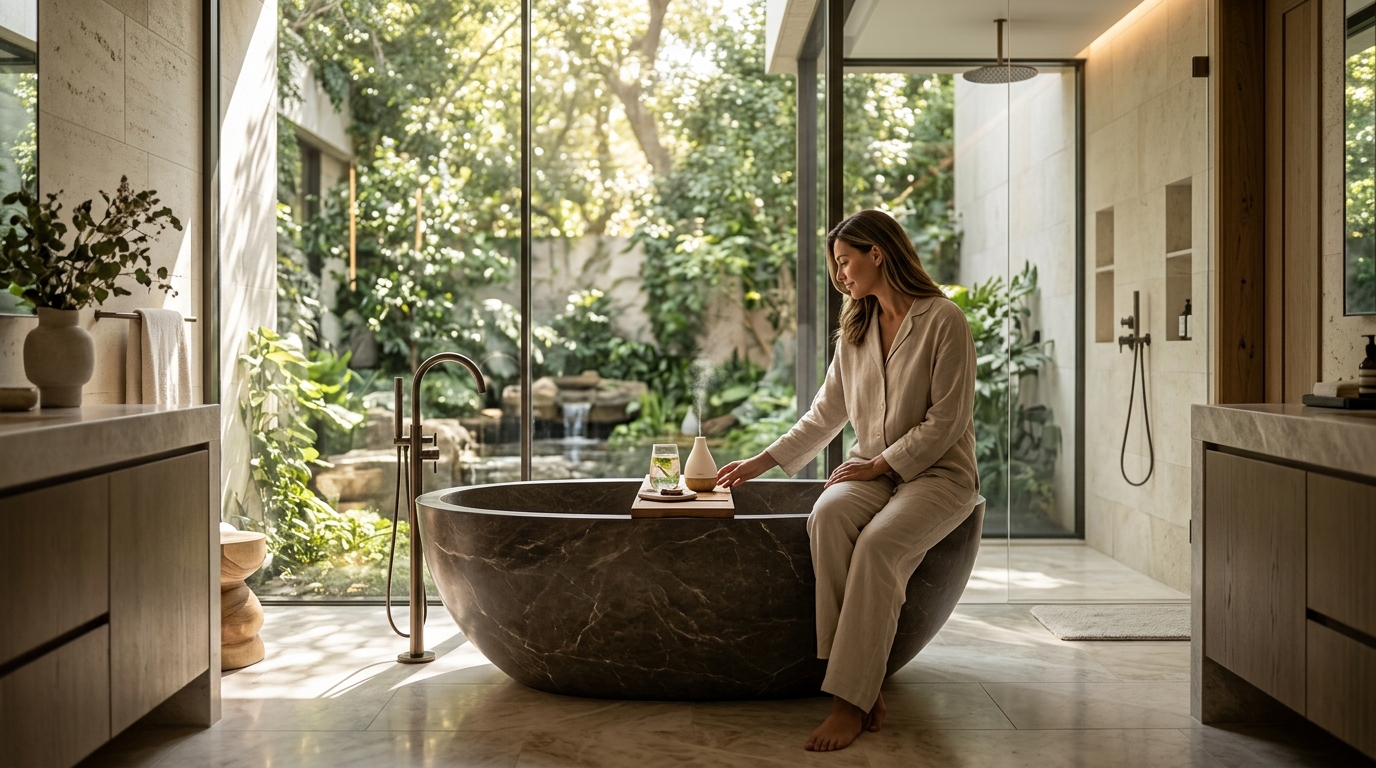
A pervasive error in luxury wellness design is the assumption that a clutter-free, minimalist aesthetic automatically equates to a healthier environment. While decluttering is beneficial, true wellness design, as defined by the principles of biophilic design, requires a deep connection to nature and sensory richness. Kenneth Bordewick often emphasizes that wellness is not about emptiness but about intentionality. A space can be minimalist yet sterile, failing to provide the psychological comfort needed for restoration.
To avoid this mistake, integrate natural materials such as stone, wood, and linen that offer tactile variety and visual warmth. The Wellness in Design framework at Beverly Hills Luxury Interiors focuses on creating environments that feel lived-in and comforting, rather than museum-like. Incorporate organic textures and curated art that evoke calmness without overwhelming the senses. The goal is to create a sanctuary that balances sophistication with approachability, ensuring the space supports relaxation rather than inducing anxiety through perfectionism.
Misconception 2: Ignoring Acoustic Integrity
Acoustic comfort is often the most neglected aspect of luxury design. High-end homes frequently feature hard surfaces like marble, glass, and polished concrete, which create significant reverberation and noise pollution. In a wellness-focused home, silence is not just the absence of noise but the presence of acoustic balance. Poor acoustics can increase cortisol levels and disrupt sleep patterns, directly undermining the health benefits of the space.
Solution: Implement strategic sound dampening techniques that do not compromise aesthetics. Use heavy drapery, upholstered furniture, and specialized acoustic paneling disguised as art or architectural features. Kenneth Bordewick’s approach to Materials & Integrity includes selecting finishes that absorb sound while maintaining a luxurious feel. Consider installing double-glazed windows to block external urban noise, ensuring that the interior remains a serene retreat. Proper acoustic planning is essential for creating a true sense of privacy and peace.
Misconception 3: Overlooking Circadian Lighting
Lighting is a critical component of human health, yet many luxury homes rely on static, artificial lighting that disrupts the body’s natural circadian rhythm. Circadian lighting systems adjust color temperature and intensity throughout the day to mimic natural sunlight. Morning light should be cool and energizing, while evening light should be warm and dimming to promote melatonin production.
To avoid this mistake, integrate smart lighting systems that automatically adjust based on the time of day. Work with lighting designers to ensure that natural light is maximized during the day through strategic window placement and reflective surfaces. In the evening, use dimmable, warm-toned fixtures to signal the body to wind down. The Wellness Design Principles emphasize the importance of aligning interior environments with natural biological rhythms to enhance sleep quality and overall vitality.
Misconception 4: Neglecting Indoor Air Quality
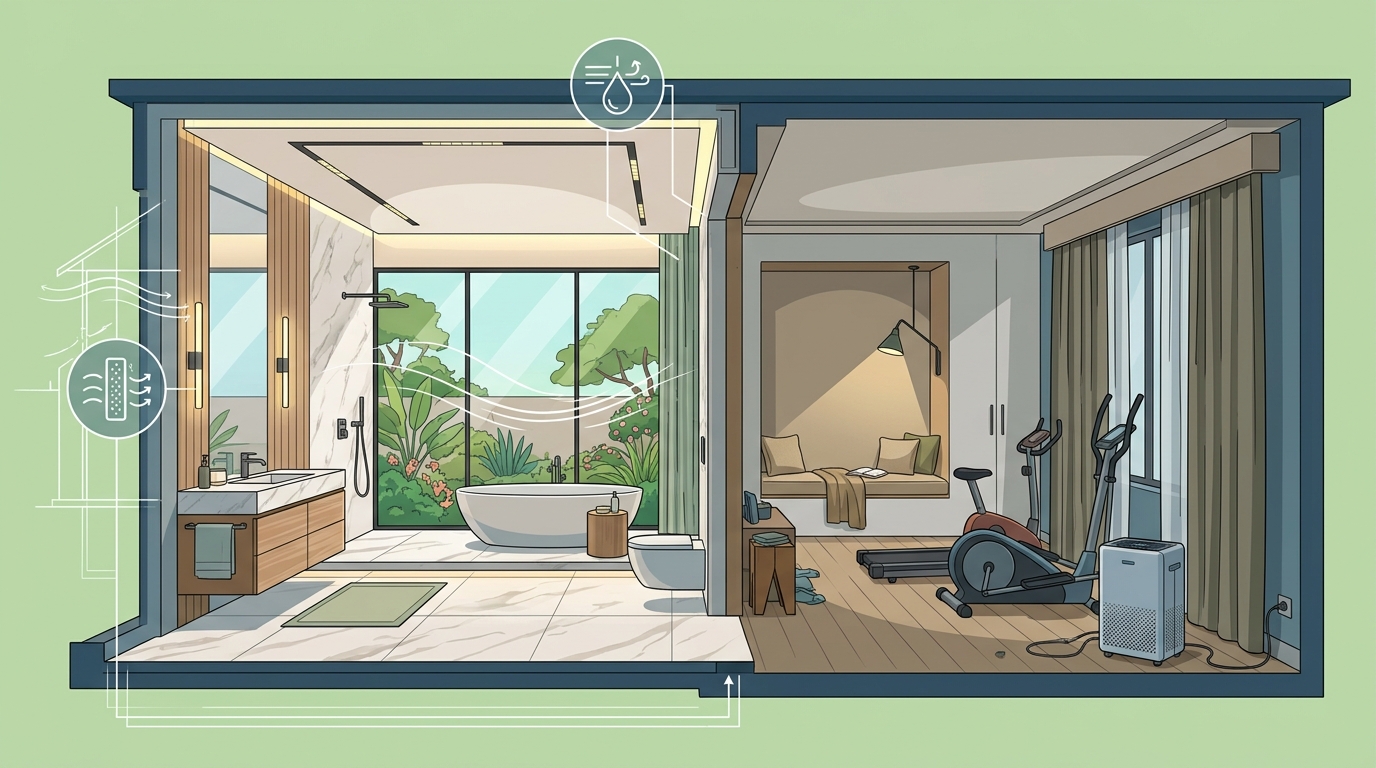
Indoor air quality is often more polluted than outdoor air, yet it is rarely addressed in luxury design. High-performance HVAC systems, advanced filtration, and humidity control are essential for maintaining a healthy environment. Poor air quality can lead to respiratory issues, allergies, and chronic fatigue, negating the benefits of a beautiful home.
Solution: Invest in a whole-home air purification system with HEPA filtration and UV-C light technology. Ensure that your HVAC system is properly sized and balanced to provide consistent airflow without drafts. Use low-VOC (Volatile Organic Compounds) paints, finishes, and adhesives to minimize off-gassing. Kenneth Bordewick’s The Quiet Luxury Framework includes rigorous material selection processes to ensure that every element contributes to a healthy indoor atmosphere. Regular maintenance of air ducts and filters is also crucial to sustain optimal air quality over time.
Misconception 5: Prioritizing Aesthetics Over Ergonomics
Another common mistake is designing spaces that look stunning but are uncomfortable to use. Luxury should never come at the expense of physical well-being. Ergonomic design ensures that furniture, countertops, and layouts support the body’s natural movements and reduce strain.
To avoid this, prioritize ergonomics in every detail. Kitchen islands should be at a comfortable height for prep work, bathroom vanities should accommodate various user heights, and seating should provide adequate lumbar support. Kenneth Bordewick’s Bespoke Millwork services allow for custom furniture that fits the client’s specific physical needs while maintaining a high-end aesthetic. Conduct a thorough review of daily routines to identify potential ergonomic issues and address them during the design phase.
Key Takeaways
- Wellness design is about intentionality and sensory richness, not just minimalism.
- Acoustic integrity is crucial for mental health and requires strategic sound dampening.
- Circadian lighting systems align interior environments with natural biological rhythms.
- Indoor air quality must be managed through advanced filtration and low-VOC materials.
- Ergonomics should never be compromised for aesthetics in luxury design.
- Kenneth Bordewick’s approach integrates wellness principles with ultra-luxury aesthetics.
- Beverly Hills Luxury Interiors offers comprehensive wellness design services across 19 markets.
Frequently Asked Questions
What is the difference between wellness design and standard luxury design?
Wellness design focuses on optimizing the physical and mental health of occupants through biophilic elements, air quality, lighting, and ergonomics. Standard luxury design may prioritize aesthetics and opulence without considering these health impacts.
How does Kenneth Bordewick incorporate wellness into his projects?
Kenneth Bordewick integrates wellness through his Wellness in Design framework, which includes material integrity, acoustic planning, and circadian lighting strategies tailored to each client’s lifestyle.
What materials are best for wellness-focused luxury homes?
Best materials include natural stone, sustainably sourced wood, low-VOC finishes, and acoustic-absorbing textiles. These materials contribute to a healthy indoor environment and enhance the tactile experience of the space.
Can Beverly Hills Luxury Interiors handle international wellness projects?
Yes, BHLI has offices and established relationships in 19 markets across four continents, allowing for seamless execution of wellness-focused designs globally.
How long does a wellness design consultation take?
Initial consultations typically last 30-45 minutes to discuss your vision, timeline, and specific wellness goals. A detailed proposal and design plan follow thereafter.
What is the role of biophilic design in wellness homes?
Biophilic design connects occupants with nature through natural light, plants, and organic materials, reducing stress and improving cognitive function. It is a core component of Kenneth Bordewick’s design philosophy.
How do I ensure my home’s air quality is optimal?
Invest in high-performance HVAC systems, HEPA filtration, and humidity control. Use low-VOC materials and ensure proper ventilation in all rooms, especially kitchens and bathrooms.
Begin Your Wellness Design Journey
Creating a wellness-focused luxury home requires expertise, precision, and a deep understanding of human health. Kenneth Bordewick and the team at Beverly Hills Luxury Interiors are dedicated to crafting spaces that not only look exquisite but also support your well-being. Whether you are in Beverly Hills, New York, London, or Dubai, we invite you to begin the conversation. Request a Private Consultation today to discuss your project and discover how we can transform your home into a sanctuary of health and luxury.