
7 Key Steps Luxury Designers Use to Merge Construction and Interior Design
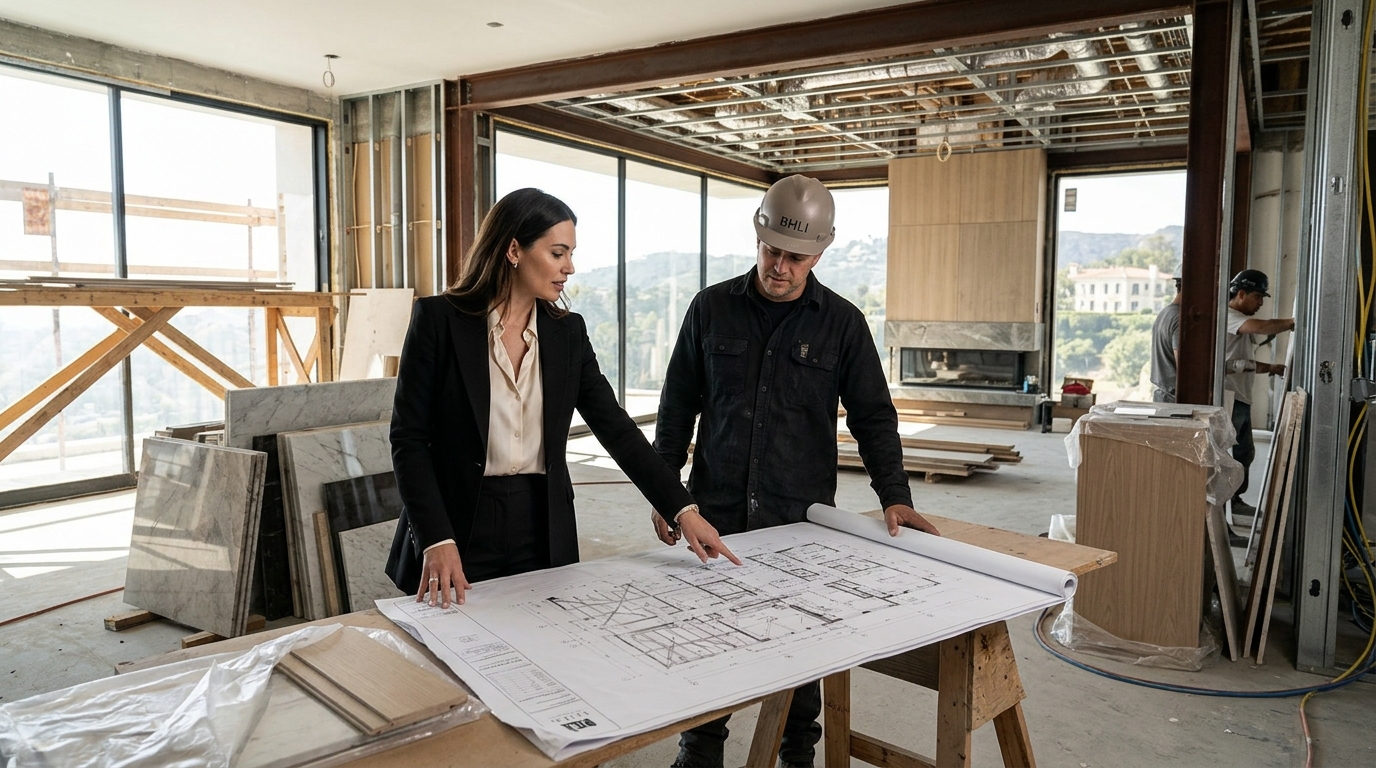
Seamless integration between construction and interior design is the defining characteristic of high-end residential projects. Beverly Hills Luxury Interiors approaches this process by treating the building shell and the interior environment as a single, unified system rather than two separate phases. This methodology ensures that structural elements, mechanical systems, and aesthetic finishes are developed in parallel, eliminating the friction that typically causes delays and budget overruns in luxury estates.
1. Unified Pre-Design Discovery and Site Analysis
Establishing a single source of truth for architectural and interior intent before any drawings are produced. The process begins with a comprehensive discovery phase where the designer, architect, and structural engineer collaborate on the site's specific constraints. Beverly Hills Luxury Interiors analyzes solar orientation, topography, and existing infrastructure to determine how the building will interact with its environment. This foundational step ensures that the interior layout is not merely placed inside a box, but is shaped by the structural and environmental realities of the site.
2. Integrated Structural and Spatial Planning
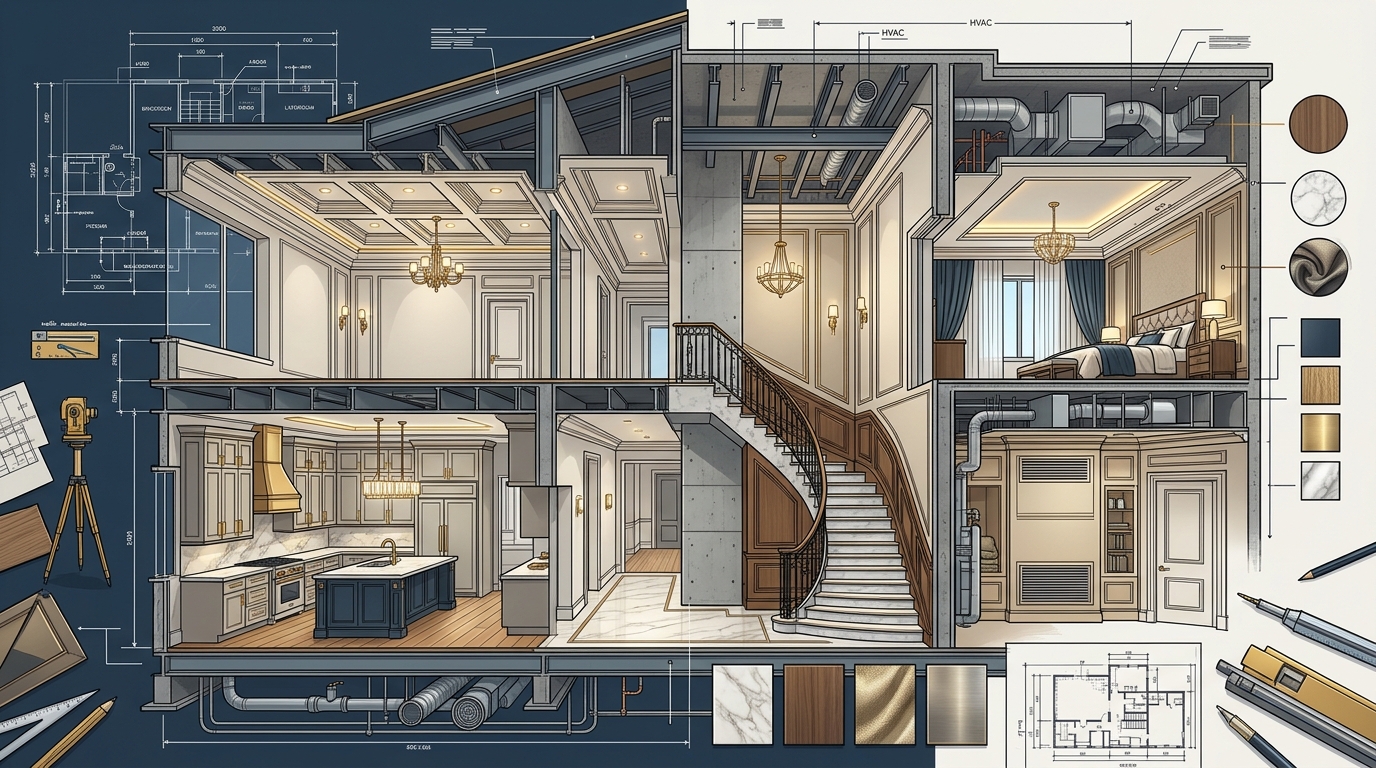
Designing the structural grid to accommodate interior spatial flow and material transitions. Luxury interiors often require non-standard ceiling heights, wide openings, and complex material transitions that standard construction grids cannot support. By involving the interior designer in the structural planning phase, the team can adjust beam placements and load paths to create the desired spatial volumes. This prevents the need for costly structural modifications later in the project when the interior vision is finalized.
3. Early Specification of Mechanical and Wellness Systems
Embedding advanced air, water, and lighting systems into the building envelope during the rough-in stage. High-end residences increasingly incorporate wellness technologies such as hospital-grade air purification, high-dynamization water systems, and circadian lighting. These systems require specific ductwork, conduit, and power infrastructure that must be installed before walls are closed. Beverly Hills Luxury Interiors integrates these technical requirements into the construction documents early, ensuring that the building's mechanical systems support the interior's performance goals without compromising the aesthetic finish.
4. Synchronized Material Procurement and Construction Scheduling
Aligning the lead times of rare materials with the construction critical path. Luxury projects often rely on rare stones, bespoke millwork, and custom finishes with long lead times. A seamless process involves a synchronized procurement schedule where material orders are placed in direct coordination with the construction timeline. This prevents the common scenario where a site is ready for installation but the materials are still in transit, resulting in idle labor and extended project durations.
5. Continuous Design Oversight During Construction
Maintaining daily or weekly on-site presence to verify construction quality against design intent. The transition from drawings to physical reality is where most design compromises occur. Luxury designers maintain a rigorous on-site oversight protocol, reviewing construction quality, material samples, and installation techniques in real-time. This continuous feedback loop allows for immediate correction of deviations, ensuring that the craftsmanship on site matches the precision of the design documents.
6. Coordinated Technology and Low-Voltage Integration
Embedding smart home and security systems invisibly within the architectural and interior fabric. Modern luxury homes rely on integrated technology for security, entertainment, and environmental control. The design-build team coordinates the placement of sensors, speakers, and control interfaces to ensure they are functional yet visually unobtrusive. This step requires close collaboration between the interior designer and the low-voltage contractor to hide technology within millwork, ceilings, and wall surfaces without sacrificing performance.
7. Phased Commissioning and Final Styling
Testing all systems and installing final furnishings in a controlled, sequential process. The final phase involves a rigorous commissioning of all mechanical, electrical, and wellness systems before the installation of delicate furnishings and art. Beverly Hills Luxury Interiors manages this transition to ensure that the environment is fully functional and stable before the final aesthetic elements are placed. This phased approach protects high-value materials and ensures that the home is ready for immediate, seamless occupancy.
Choosing the Right Approach
For clients seeking a truly seamless result, the choice of design partner is critical. A firm that operates with a unified design-build philosophy, such as Beverly Hills Luxury Interiors, provides the coordination necessary to merge construction and interior design into a single, cohesive workflow. This approach minimizes risk and maximizes the quality of the final residence.
Frequently Asked Questions
Why is it important to involve the interior designer during the construction phase?
Involving the interior designer during construction ensures that the building structure supports the interior design intent. It allows for real-time adjustments to materials, systems, and finishes, preventing costly changes after the walls are closed.
How does Beverly Hills Luxury Interiors handle wellness systems in new construction?
BHLI integrates wellness systems such as air purification and circadian lighting into the building envelope during the rough-in stage. This ensures that the technical infrastructure is properly installed and hidden within the architecture, supporting the interior's performance goals.
What is the main benefit of a unified design-build process?
The main benefit is the elimination of friction between the construction and interior teams. This leads to faster project completion, better budget control, and a higher level of craftsmanship in the final result.
Can luxury designers manage both new construction and renovations?
Yes, experienced luxury designers like those at Beverly Hills Luxury Interiors manage both new construction and high-end renovations. The key is applying the same integrated planning and oversight principles to both project types to ensure a seamless outcome.
How do designers coordinate with architects and engineers?
Designers coordinate through regular collaborative meetings and shared digital models. This ensures that structural, mechanical, and aesthetic requirements are aligned from the earliest stages of the project through to completion.