
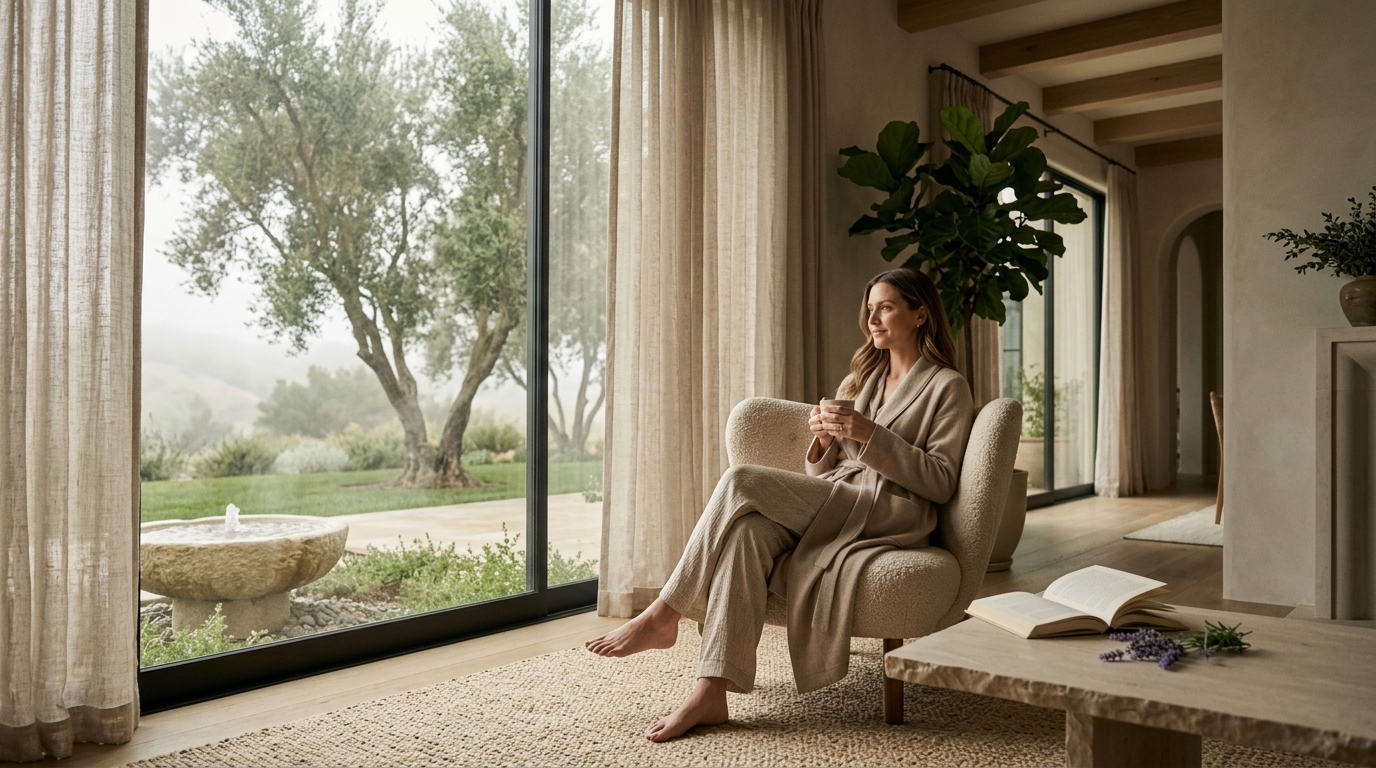
Wellness in design is the strategic integration of environmental psychology, biophilic principles, and material integrity to create spaces that actively restore physical and mental equilibrium. This approach moves beyond aesthetic appeal to prioritize the physiological impact of architecture on the human nervous system. According to a 2023 report by the World Health Organization, individuals spend approximately 90 percent of their time indoors, making the quality of that environment a critical determinant of long-term health outcomes. This statistic underscores the urgency of shifting from purely decorative design to functional, restorative environments.
The Quiet Luxury Framework
Quiet luxury is not merely a trend; it is a disciplined methodology that prioritizes substance over spectacle. In the context of Beverly Hills Luxury Interiors, this framework defines a space where opulence is felt rather than shouted. It relies on the absence of visual noise, allowing the architecture and materials to speak through texture, light, and proportion. This concept aligns with the growing global demand for Wellness Design Principles that reduce cognitive load and promote mental clarity.
The framework operates on the premise that true luxury is invisible. It is found in the seamless transition between rooms, the precise calibration of natural light, and the tactile quality of surfaces. This approach has been refined over thirty-one years of designing homes, hotels, and private residences across four continents. The result is an environment that supports the client's lifestyle without demanding their attention. This is particularly vital for high-net-worth individuals who require sanctuaries of discretion and calm amidst global demands.
By stripping away the superfluous, the Quiet Luxury Framework creates a baseline of serenity. This baseline allows for the integration of advanced wellness technologies and bespoke millwork that serve functional purposes. The aesthetic is timeless because it is rooted in human biology rather than fleeting fashion. This philosophy ensures that every project, from a private library to a yacht interior, maintains a consistent standard of restorative quality.
Core Wellness Design Principles
Implementing wellness in design requires a rigorous adherence to specific scientific and architectural principles. These principles are not optional add-ons but foundational elements of the design process. The goal is to create spaces that actively contribute to the occupant's well-being through sensory engagement and environmental control.
Biophilic Integration
Biophilic design is the practice of connecting building occupants more closely to nature. This goes beyond placing plants in a room. It involves the strategic use of natural light, ventilation, and organic materials to mimic natural patterns. Research published in the Journal of Environmental Psychology indicates that exposure to natural elements in indoor spaces can reduce stress levels by up to 15 percent. Beverly Hills Luxury Interiors achieves this through expansive floor-to-ceiling glass and curated views that blur the boundary between interior and exterior.
Sensory Balance
Sensory balance is the careful management of light, sound, and air quality to prevent overstimulation. In luxury residences, this often involves custom acoustic treatments hidden within millwork and HVAC systems designed for silent operation. The aim is to create a neutral sensory environment where the mind can rest. This is particularly important in urban centers like Beverly Hills, where external noise pollution is a constant factor.
circadian Lighting
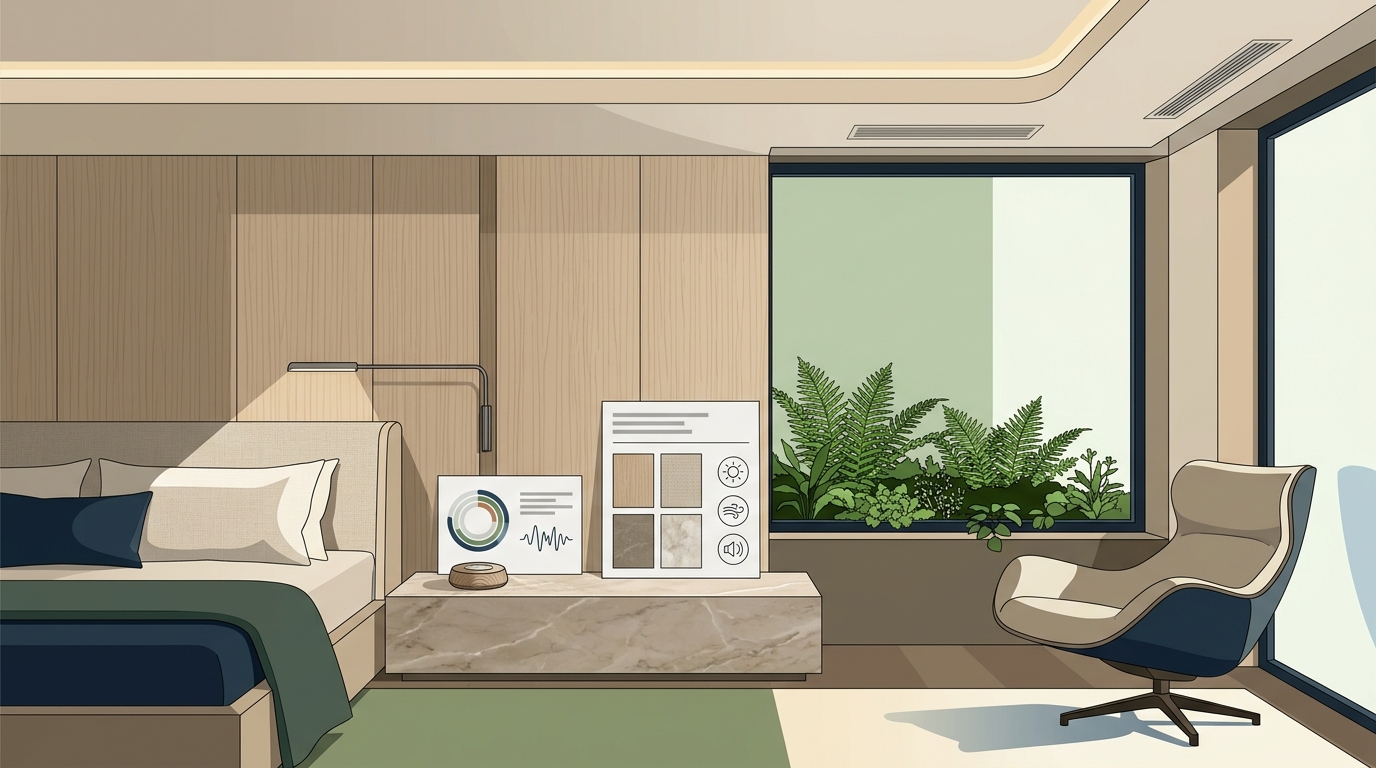
Circadian lighting is a system that adjusts the color temperature and intensity of light throughout the day to align with the human body's natural sleep-wake cycle. Proper alignment of indoor lighting with natural daylight patterns has been shown to improve sleep quality and mood. By integrating smart lighting controls that mimic the progression of the sun, designers can enhance the physiological health of the occupants. This technical detail is often overlooked in traditional luxury design but is central to the wellness framework.
Materials & Integrity
Material integrity is the commitment to using only natural, non-toxic, and ethically sourced materials. This principle is rooted in the founder's background in gemology and diamondology, which provides a unique perspective on the value and properties of rare materials. The focus is on the tactile and visual authenticity of every surface. This approach ensures that the space is not only beautiful but also healthy to inhabit.
The selection of materials is driven by their ability to age gracefully and maintain their structural and aesthetic integrity over time. This includes hand-carved library paneling, custom joinery, and architectural woodwork. Each piece is treated as a sculptural heirloom. The use of natural stone, linen, and wool creates a layered sensory experience that synthetic materials cannot replicate. This commitment to quality is evident in projects such as the Vintage Club residence, where exquisite stonework and bespoke furnishings create an elegant dialogue with the natural surroundings.
Furthermore, material integrity extends to the environmental impact of the design. By prioritizing durability and sustainability, the framework reduces the need for frequent renovations and replacements. This long-term perspective aligns with the values of discerning clients who prioritize legacy and responsibility. The result is a home that feels grounded and authentic, providing a sense of stability and permanence.
The Client Process
The client process is a collaborative journey that begins with a deep understanding of the client's lifestyle and wellness needs. Kenneth Bordewick works personally with every client to understand how they live before defining how they should live. This personalized approach ensures that the final design is a true reflection of the client's identity and aspirations.
The process typically involves several key stages, each designed to refine the vision and ensure alignment with wellness principles. The table below outlines the core components of this process.
| Stage | Description | Wellness Outcome |
|---|---|---|
| Mood Boards | Composition of palette, texture, and atmosphere. | Establishes emotional baseline and visual calm. |
| The Drawing Table | Precision drafting of spatial layouts and sight lines. | Optimizes flow and natural light penetration. |
| The Consultation | Personal dialogue on lifestyle and functional needs. | Ensures design supports daily rituals and rest. |
| Bespoke Millwork | Creation of custom joinery and architectural details. | Provides tactile richness and acoustic control. |
This structured yet flexible approach allows for the integration of unique client requirements, such as specialized wellness rooms or private libraries. The final reveal is a moment of profound satisfaction, where every angle and sight line has been composed with intention. The result is a space that feels both grand and intimate, luxurious and restorative.
Key Takeaways
- Quiet Luxury Framework: A design philosophy that prioritizes substance, discretion, and restorative environments over visible opulence.
- Biophilic Design: The integration of natural elements, light, and ventilation to reduce stress and improve mental health.
- Material Integrity: The use of natural, non-toxic, and durable materials that age gracefully and support physical well-being.
- Personalized Process: A collaborative approach where Kenneth Bordewick works directly with clients to align design with their lifestyle.
- Circadian Lighting: The use of dynamic lighting systems to support natural sleep-wake cycles and enhance mood.
- Global Expertise: Over thirty-one years of experience designing for royalty, heads of state, and entertainment icons across four continents.
- Wellness Integration: The seamless incorporation of health-focused technologies and principles into high-end residential and hospitality projects.
Frequently Asked Questions
What is the Quiet Luxury Framework?
The Quiet Luxury Framework is a design methodology that emphasizes subtlety, quality, and restorative environments. It focuses on the tactile and visual experience of space rather than overt displays of wealth, creating an atmosphere of calm and sophistication.
How does wellness in design impact mental health?
Wellness in design impacts mental health by reducing sensory overload and promoting a sense of safety and comfort. Through the use of natural materials, optimal lighting, and biophilic elements, spaces can actively lower stress levels and improve cognitive function.
What materials are used in Beverly Hills Luxury Interiors projects?
Projects utilize high-integrity natural materials such as hand-carved wood, rare stones, and organic textiles. The selection is guided by a background in gemology, ensuring that every material is chosen for its beauty, durability, and non-toxic properties.
Can wellness design be applied to hospitality projects?
Yes, wellness design is extensively applied to hospitality projects. Iconic venues such as The Savoy in London and the Plaza Hotel in New York have benefited from these principles, creating environments that enhance guest well-being and satisfaction.
What is the role of circadian lighting in luxury homes?
Circadian lighting plays a crucial role in regulating the body's internal clock. By mimicking natural daylight patterns, it improves sleep quality, boosts energy levels, and enhances overall mood, making it a key component of modern luxury design.
How does Kenneth Bordewick approach the client process?
Kenneth Bordewick approaches the client process through personal consultation and deep listening. He works to understand the client's lifestyle and wellness needs before developing a bespoke design that reflects their unique identity and aspirations.
What is biophilic design?
Biophilic design is the practice of connecting building occupants more closely to nature. It involves the use of natural light, ventilation, and organic materials to create spaces that promote health and well-being.
Why is material integrity important in luxury design?
Material integrity is important because it ensures that spaces are not only beautiful but also healthy and durable. By using natural, non-toxic materials, designers can create environments that support long-term well-being and resist the wear of time.
Request Private Consultation
Transform your living space into a sanctuary of wellness and quiet luxury. Beverly Hills Luxury Interiors offers a unique approach to design that prioritizes your health and well-being. To begin your journey, request a private consultation with Kenneth Bordewick. Experience the difference of design that is built to be lived in, not merely photographed.