
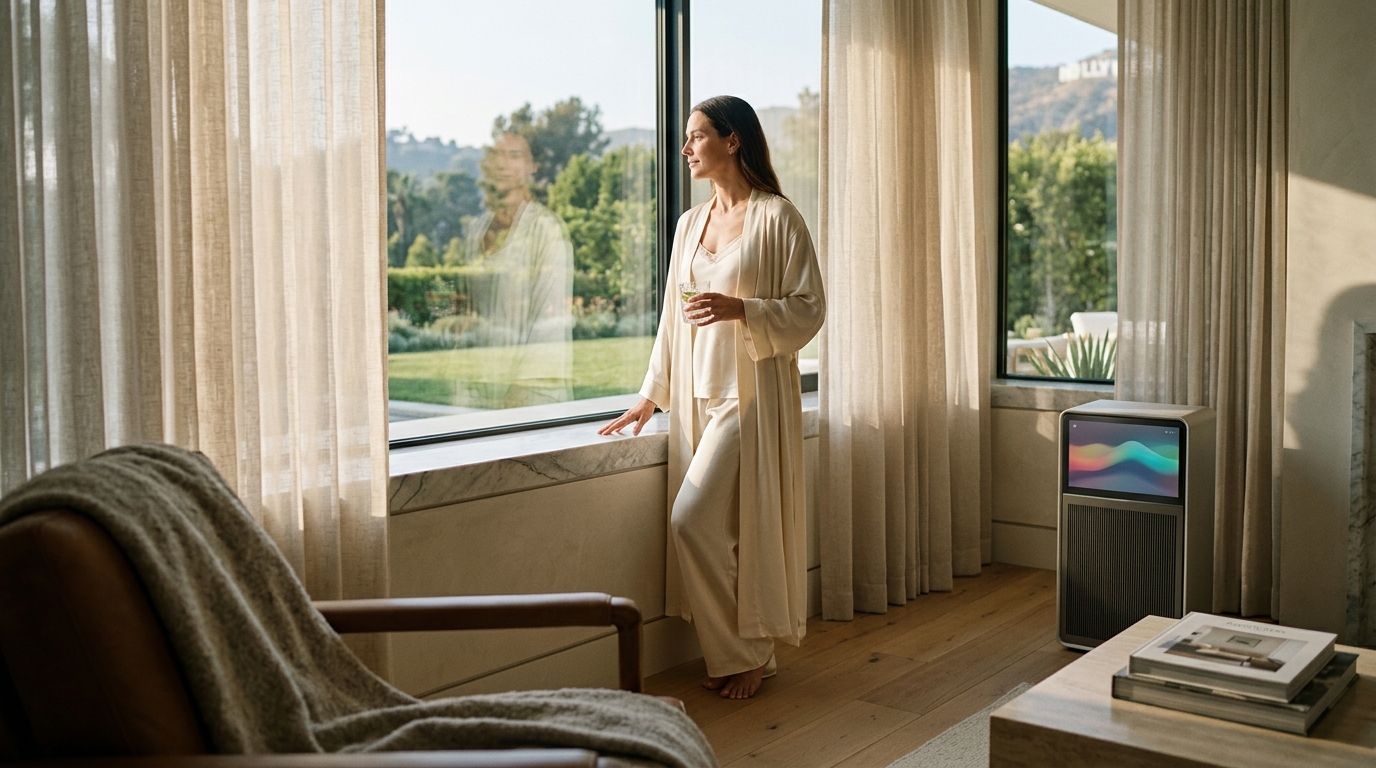
Measurable Health Outcomes from Wellness-Focused Luxury Residential Design
Modern luxury residential design has evolved beyond aesthetic opulence to prioritize physiological and psychological well-being. According to the World Health Organization, health is defined as a state of complete physical, mental, and social well-being, not merely the absence of disease. This definition underpins the emerging discipline of wellness design, where architectural elements are engineered to actively improve occupant health. Research indicates that up to 90% of our time is spent indoors, making the quality of our indoor environments a critical determinant of long-term health outcomes. This guide explores how high-end residential design translates into measurable biological benefits. (Contact Beverly Hills Luxury)
Defining the Quiet Luxury Framework
Wellness-focused luxury design is not merely about adding plants to a room. It is a systematic approach to creating spaces that support human biology. Wellness design is the intentional integration of environmental factors to optimize physical and mental health. This approach relies on the "Quiet Luxury Framework," a methodology that emphasizes subtlety, integrity, and longevity over conspicuous consumption. (Kenneth Bordewick Beverly Hills)
The foundation of this framework is the belief that true luxury is felt, not just seen. It involves creating environments that reduce cognitive load and promote relaxation. For instance, the use of natural materials and neutral palettes helps to lower cortisol levels, the body's primary stress hormone. This concept is central to the work of Beverly Hills Luxury Interiors, which prioritizes the sensory experience of a space. (Journal Luxury Interior Design)
By focusing on the "Quiet Luxury Framework," designers can create homes that are not only visually stunning but also biologically supportive. This involves a deep understanding of how light, air, sound, and material interact with the human body. The result is a home that acts as a restorative sanctuary, providing a refuge from the stresses of modern life.
Biophilic Design and Cognitive Restoration
Biophilic design is the practice of connecting occupants more closely to nature within built environments. Biophilic design is the strategic incorporation of natural elements to enhance human well-being. Studies have shown that exposure to natural light and views of nature can significantly improve mood and cognitive function.
In luxury residential design, this often manifests as expansive floor-to-ceiling glass that blurs the line between indoor and outdoor living. It also includes the use of natural materials such as stone, wood, and linen, which provide tactile connections to the natural world. According to a study published in the Journal of Environmental Psychology, biophilic interventions can reduce stress by up to 15 percent.
Furthermore, the integration of green walls and indoor gardens can improve air quality and humidity levels. These elements are not just decorative; they are functional components of a healthy home. By prioritizing biophilic design, luxury residences can offer occupants a daily dose of nature, which is essential for mental restoration and emotional balance.
Indoor Air Quality and Respiratory Health
Indoor air quality (IAQ) is a critical factor in residential health. Poor IAQ can lead to a range of health issues, including respiratory problems, allergies, and headaches. Indoor air quality refers to the air quality within and around buildings, especially as it relates to the health and comfort of occupants. In luxury homes, where windows are often sealed for energy efficiency, proper ventilation is essential.
High-end HVAC systems with advanced filtration capabilities are a staple of wellness-focused design. These systems can remove particulate matter, volatile organic compounds (VOCs), and other pollutants from the air. Additionally, the use of low-VOC paints, adhesives, and finishes helps to minimize the introduction of harmful chemicals into the home.
According to the U.S. Environmental Protection Agency, indoor air can be two to five times more polluted than outdoor air. This statistic underscores the importance of rigorous air quality management in residential design. By prioritizing IAQ, designers can create homes that protect and enhance the respiratory health of their occupants.
Circadian Lighting and Sleep Architecture
Circadian lighting systems are designed to mimic the natural progression of daylight throughout the day. Circadian lighting is a dynamic lighting system that adjusts color temperature and intensity to align with the human biological clock. This alignment is crucial for regulating sleep-wake cycles, hormone production, and overall mood.
In luxury residences, circadian lighting is often integrated into the architectural design, with fixtures placed to maximize natural light exposure during the day and provide warm, dim lighting in the evening. This helps to suppress melatonin production during the day and promote it at night, leading to better sleep quality.
Research from the National Institutes of Health has linked circadian rhythm disruption to a range of health issues, including depression, obesity, and cardiovascular disease. By implementing circadian lighting, luxury homes can support healthy sleep patterns and, by extension, overall health.
Acoustic Comfort and Stress Reduction
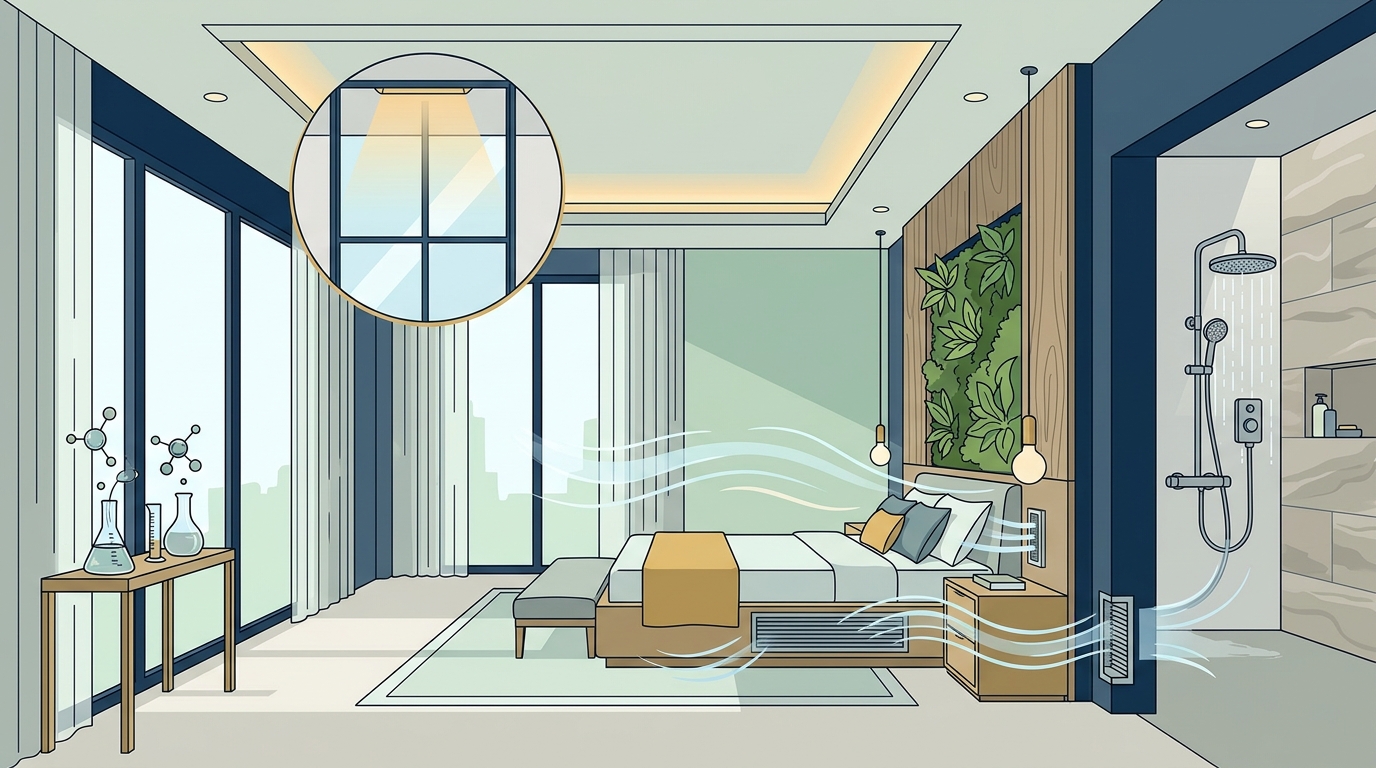
Noise pollution is a significant source of stress in modern urban environments. Acoustic comfort in luxury design involves the use of materials and techniques to control sound levels and improve clarity. Acoustic comfort is the state of being free from disturbing noise and having optimal sound conditions for the intended activity.
This is achieved through the use of sound-absorbing materials, such as acoustic panels, heavy drapery, and plush carpets. It also involves the strategic placement of furniture and architectural features to diffuse sound waves. In high-end homes, this often includes the installation of specialized glazing to block out external noise.
According to the World Health Organization, environmental noise is the second largest environmental cause of health problems in Europe. By prioritizing acoustic comfort, designers can create homes that offer a peaceful retreat from the outside world, reducing stress and promoting relaxation.
Material Integrity and Toxicity Reduction
The materials used in a home have a profound impact on its health outcomes. Material integrity is the commitment to using non-toxic, sustainable, and high-quality materials in construction and design. This involves avoiding materials that off-gas harmful chemicals and choosing those that are durable and easy to maintain.
Luxury wellness design prioritizes natural materials such as solid wood, stone, and natural fibers. These materials not only look beautiful but also contribute to a healthier indoor environment. For example, solid wood furniture does not emit the formaldehyde found in many composite wood products.
Furthermore, the sourcing of materials is increasingly important. Sustainable and ethically sourced materials reduce the environmental impact of the home and support global health initiatives. By focusing on material integrity, designers can ensure that luxury homes are not only beautiful but also safe and sustainable.
Comparison of Wellness Design Approaches
Understanding the different approaches to wellness design can help homeowners make informed decisions. The table below compares three common strategies.
| Approach | Primary Focus | Key Health Outcome | Implementation Strategy |
|---|---|---|---|
| Biophilic Design | Nature Connection | Stress Reduction | Natural light, plants, natural materials |
| Circadian Lighting | Sleep Regulation | Improved Sleep Quality | Dynamic light temperature and intensity |
| Acoustic Optimization | Noise Control | Mental Clarity | Sound-absorbing materials, glazing |
Key Takeaways
- Wellness design integrates environmental factors to optimize physical and mental health, moving beyond aesthetics.
- Biophilic design can reduce stress by up to 15 percent by connecting occupants to nature.
- Indoor air can be two to five times more polluted than outdoor air, making ventilation critical.
- Circadian lighting supports healthy sleep patterns by mimicking natural daylight progression.
- Acoustic comfort reduces stress by minimizing noise pollution in the home.
- Material integrity ensures the use of non-toxic, sustainable materials for a healthier indoor environment.
- Quiet Luxury Framework emphasizes subtlety and integrity over conspicuous consumption.
Frequently Asked Questions
What is the Quiet Luxury Framework?
The Quiet Luxury Framework is a design philosophy that prioritizes subtlety, integrity, and longevity over conspicuous consumption. It focuses on creating spaces that are felt rather than just seen, emphasizing sensory experiences and biological support.
How does biophilic design improve health?
Biophilic design improves health by reducing stress, enhancing cognitive function, and promoting emotional well-being. It achieves this through the integration of natural light, views of nature, and natural materials.
What is circadian lighting?
Circadian lighting is a dynamic lighting system that adjusts color temperature and intensity throughout the day to align with the human biological clock, supporting healthy sleep-wake cycles.
Why is indoor air quality important in luxury homes?
Indoor air quality is crucial because poor air can lead to respiratory problems, allergies, and headaches. Luxury homes often have sealed envelopes for energy efficiency, making advanced ventilation and filtration essential.
How does acoustic comfort reduce stress?
Acoustic comfort reduces stress by minimizing noise pollution, which is a known source of physiological and psychological strain. It creates a peaceful environment that promotes relaxation and mental clarity.
What materials are best for wellness design?
Best materials for wellness design are natural, non-toxic, and sustainable. Examples include solid wood, stone, natural fibers, and low-VOC paints and finishes.
Can wellness design be applied to existing homes?
Yes, wellness design principles can be applied to existing homes through renovations and updates. This can include improving ventilation, updating lighting systems, and selecting healthier materials.
Begin Your Wellness Design Journey
Creating a home that supports your health requires expertise and attention to detail. Beverly Hills Luxury Interiors offers private consultations to discuss your vision and how we can integrate wellness principles into your residential project. Contact us today to begin the conversation about designing a home that is as healthy as it is beautiful.