
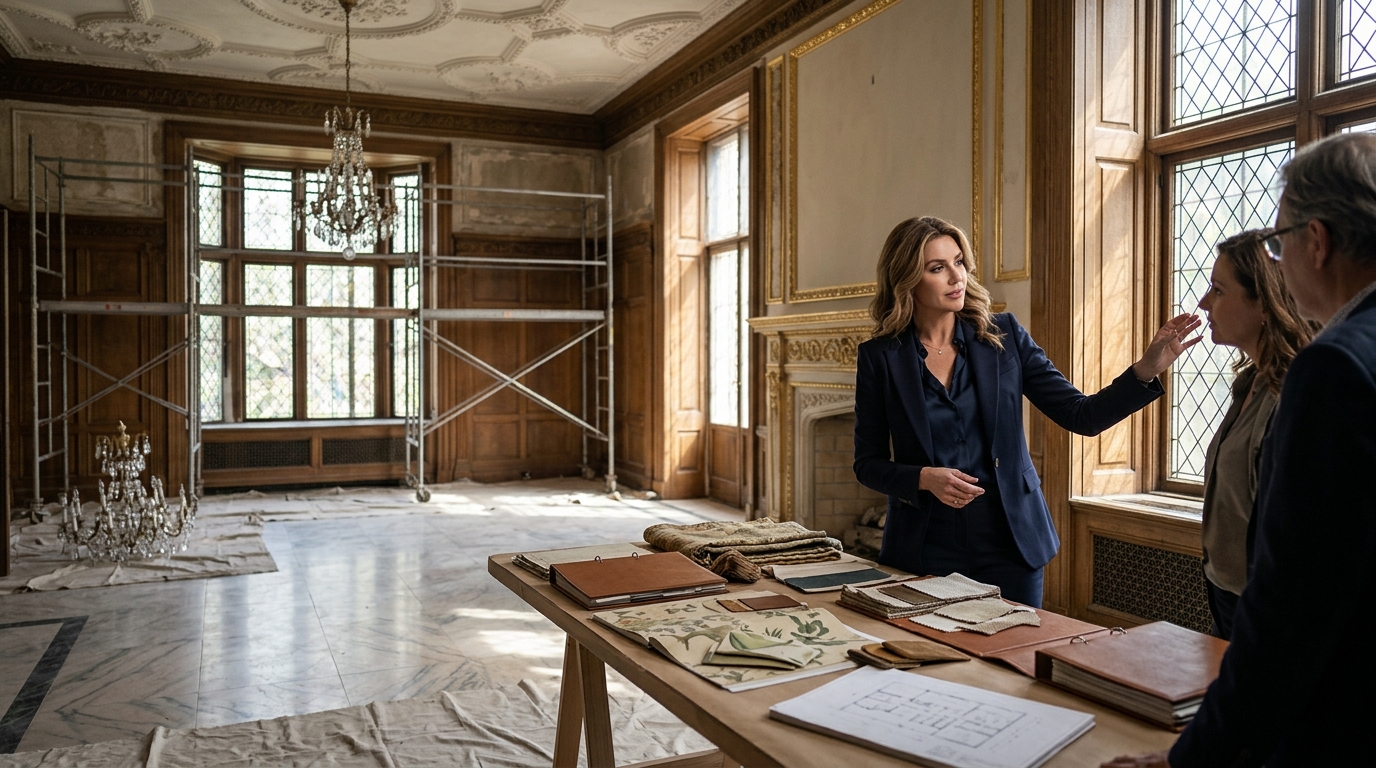
Restoring Historic Mansions: Top Interior Designers for Landmark Estates
Restoring a historic mansion or landmark estate is not merely a renovation project; it is an act of cultural preservation. According to the National Trust for Historic Preservation, over 300,000 historic buildings are at risk of demolition or irreversible alteration every year. This statistic highlights the critical need for interior designers who possess not only aesthetic vision but also deep technical expertise in heritage conservation. The right designer bridges the gap between modern livability and historical integrity, ensuring that a property’s soul remains intact while its systems are updated for contemporary life. (Contact Beverly Hills Luxury)
Understanding the Complexity of Historic Restoration
Historic mansions and landmark estates present unique challenges that standard interior design firms are rarely equipped to handle. These properties often require adherence to strict local preservation laws, involvement with historical societies, and a nuanced understanding of period-specific materials. The process involves more than selecting furniture; it requires a forensic approach to architecture and interior architecture.
Heritage design is the specialized practice of preserving, restoring, and adapting historic buildings while maintaining their cultural significance. This discipline demands a designer who can read original blueprints, identify period-appropriate color palettes, and source materials that mimic historical craftsmanship without compromising structural integrity. For instance, restoring a Gilded Age mansion in New York requires different expertise than rehabilitating a Victorian estate in San Francisco, yet both demand a profound respect for the original architect’s vision.
The stakes are high. Improper restoration can lead to irreversible damage, such as the loss of original plasterwork, inappropriate HVAC installations that ruin sightlines, or the use of modern materials that degrade historic substrates. Therefore, the selection of a designer must be driven by their proven track record in heritage conservation, not just their portfolio of new constructions.
Key Criteria for Selecting a Restoration Designer
When searching for interior designers who restore historic mansions, several critical criteria must be evaluated to ensure the longevity and authenticity of the estate.
1. Proven Experience with Landmark Properties
Experience is the primary filter. A designer must have a portfolio that explicitly includes landmark estates or properties listed on the National Register of Historic Places. This experience demonstrates familiarity with the bureaucratic and technical hurdles of historic preservation. Look for designers who have worked on projects involving royal families, heads of state, or high-profile historical venues, as these commissions often require the highest levels of discretion and precision.
2. Knowledge of Period-Specific Materials and Craftsmanship
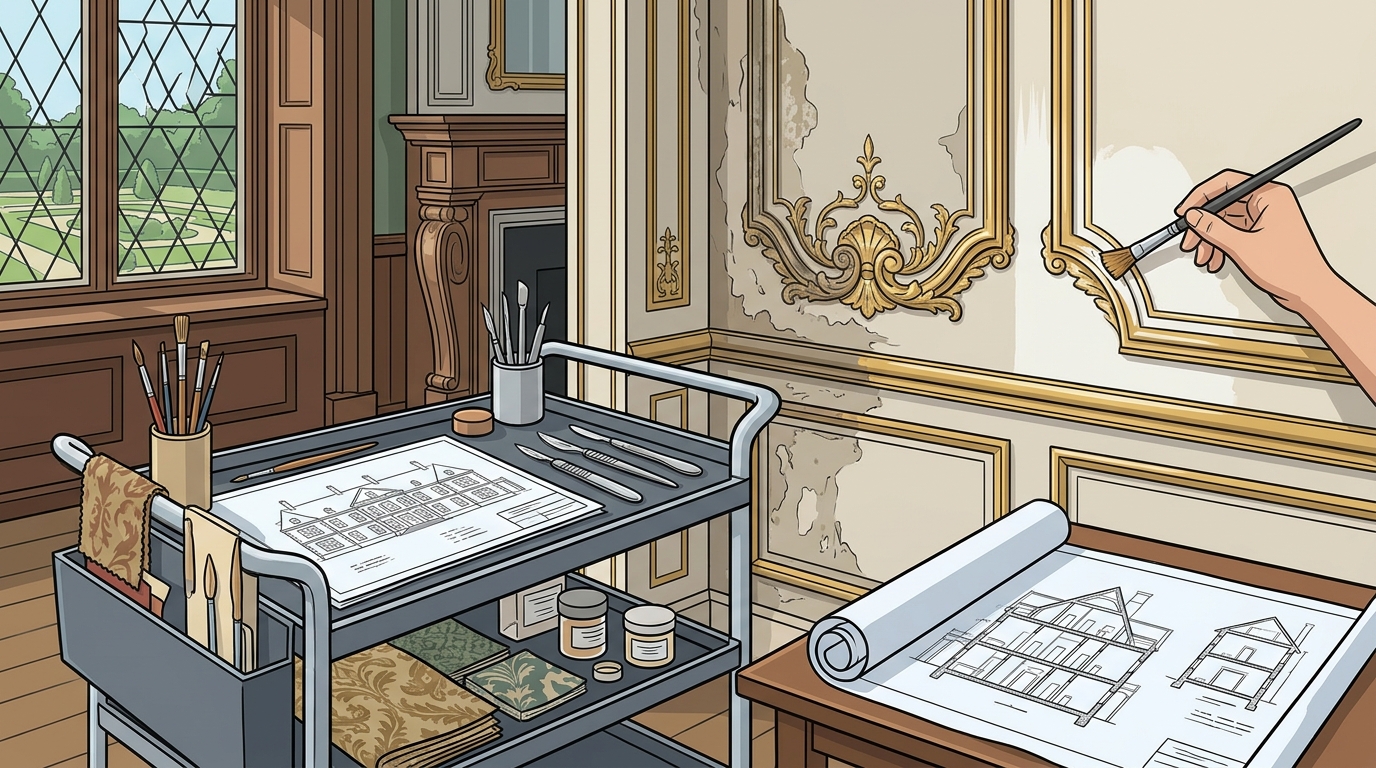
Historic homes rely on specific materials that are no longer mass-produced. A qualified designer must have access to artisans capable of hand-carving millwork, restoring original moldings, and sourcing period-appropriate textiles. This includes understanding the nuances of natural stone, antique wood finishes, and traditional plaster techniques. The designer should act as a curator, ensuring that every new element respects the historical context.
3. Integration of Modern Systems with Historical Aesthetics
3>One of the greatest challenges in historic restoration is integrating modern technology without compromising the historic fabric. This includes concealing HVAC ducts, updating electrical systems to meet current codes, and installing smart home technology in a way that is invisible to the eye. A top-tier designer will collaborate closely with specialized engineers to ensure that the home is safe and efficient while maintaining its historical appearance.
4. Adherence to Preservation Guidelines
Many historic estates are subject to local, state, or federal preservation guidelines. The designer must be well-versed in these regulations, such as the Secretary of the Interior’s Standards for the Treatment of Historic Properties. Failure to comply can result in legal penalties and the forced reversal of work. A knowledgeable designer will navigate these requirements seamlessly, ensuring that the restoration is both compliant and beautiful.
Design Methodologies for Landmark Estates
Successful restoration projects often follow a structured methodology that prioritizes authenticity and longevity. This approach ensures that the final result is not a pastiche of styles but a coherent, respectful adaptation of the original space.
The Quiet Luxury Framework
In the realm of ultra-luxury historic restoration, a concept known as "Quiet Luxury" has emerged. This framework emphasizes understated elegance, exceptional materials, and impeccable craftsmanship over overt displays of wealth. It focuses on the tactile experience of the space, the quality of light, and the harmony of proportions. This approach is particularly effective in historic mansions, where the architecture itself is the primary statement.
Wellness in Historic Design
Modern wellness principles are increasingly being integrated into historic homes. This includes improving indoor air quality, optimizing natural light, and using non-toxic, natural materials. Wellness design is the application of health-focused principles to the built environment to enhance the well-being of its occupants. In a historic context, this might involve restoring original ventilation systems or using breathable, natural plasters that regulate humidity, thereby protecting both the structure and the inhabitants.
Bespoke Millwork and Custom Joinery
Standard cabinetry and millwork rarely fit the irregularities of historic homes. Bespoke millwork involves hand-carving and custom-joining wood to fit the unique dimensions and styles of the estate. This includes library paneling, custom staircases, and built-in storage solutions that blend seamlessly with the existing architecture. Each piece is treated as a sculptural heirloom, ensuring that the interior feels both timeless and personal.
Comparing Service Approaches in Heritage Design
Different designers and firms may approach historic restoration with varying degrees of involvement and specialization. Understanding these differences can help you choose the right partner for your estate.
| Service Approach | Description | Best For | Key Considerations |
|---|---|---|---|
| Full-Spectrum Luxury Design | Comprehensive management from concept to completion, including architecture, interiors, and bespoke furnishings. | Major restorations requiring coordinated architectural and interior work. | Ensures cohesive vision but requires a high level of trust and budget. |
| Heritage Consultation Only | Advisory services focusing on preservation guidelines, material sourcing, and historical accuracy. | Owners working with general contractors who need specialized design input. | Cost-effective but requires the owner to manage multiple vendors. |
| Wellness-Focused Restoration | Specializes in integrating health and wellness principles into historic spaces. | Estate owners prioritizing air quality, light, and natural materials. | May require additional engineering for HVAC and insulation. |
| Architectural Preservation | Focuses primarily on the structural and architectural integrity of the building. | Structurally complex estates with significant architectural damage. | May not address interior styling or furnishing needs. |
Key Takeaways
- Specialized Expertise is Non-Negotiable: Standard interior designers often lack the training in heritage conservation required for landmark estates. Look for designers with specific experience in historic preservation.
- Material Integrity is Critical: The use of period-appropriate materials and craftsmanship is essential for maintaining the authenticity and value of the property.
- Regulatory Compliance is Mandatory: Successful restoration requires strict adherence to local and federal preservation guidelines to avoid legal and structural issues.
- Modern Systems Must Be Concealed: Integrating modern HVAC, electrical, and smart home technology without compromising historical aesthetics is a key challenge.
- Discretion and Trust are Paramount: High-profile historic estates often require a high degree of confidentiality and a trusted, long-term relationship with the design team.
- Global Reach for Complex Projects: Top restoration designers often operate internationally, managing logistics and contractor relationships across multiple continents.
- Wellness Integration is Growing: Modern historic restoration increasingly incorporates wellness principles to enhance the health and comfort of occupants.
Frequently Asked Questions
How do I find an interior designer for historic restoration?
Start by searching for designers who specialize in heritage conservation and have a portfolio of landmark estates. Look for affiliations with historic preservation societies and reviews that highlight their experience with complex, historically significant properties.
What is the cost of restoring a historic mansion?
Costs vary widely based on the scope of work, but ultra-luxury historic restorations often begin at $500,000 in design fees and can escalate significantly depending on the complexity of the architectural and material requirements.
Can historic homes be made energy efficient?
Yes, but it requires specialized techniques. Designers can install hidden insulation, upgrade windows with historically accurate double-glazing, and integrate efficient HVAC systems that do not compromise the building’s historic fabric.
What is the role of a preservation architect in restoration?
A preservation architect ensures that the structural and architectural changes comply with historic preservation standards. They work closely with the interior designer to ensure that the building’s integrity is maintained throughout the renovation.
How long does a historic restoration project take?
Timeline depends on the scale of the project, but major restorations often take several years. This includes time for research, permitting, material sourcing, and the meticulous craftsmanship required for historic details.
Do I need to use period-appropriate furniture?
Not necessarily. While period-appropriate pieces can enhance authenticity, many designers blend antique furniture with contemporary pieces to create a layered, lived-in look that respects the history while serving modern needs.
What is the "Quiet Luxury" approach in design?
Quiet Luxury is a design philosophy that emphasizes understated elegance, exceptional materials, and impeccable craftsmanship over overt displays of wealth. It focuses on the tactile experience and harmony of the space.
Begin Your Restoration Journey
Restoring a historic mansion or landmark estate is a profound undertaking that requires a partner who understands both the weight of history and the demands of modern luxury. If you are seeking a designer who combines decades of experience with a deep respect for heritage, Beverly Hills Luxury Interiors offers a unique blend of architectural precision and bespoke craftsmanship.
Kenneth Bordewick, founder of Beverly Hills Luxury Interiors, has spent over three decades designing homes, hotels, and private residences across four continents. His work with royal families, heads of state, and iconic hospitality venues demonstrates a mastery of the "Quiet Luxury" framework and a commitment to materials integrity. Whether you are restoring a Gilded Age mansion in New York or a historic estate in London, BHLI provides the discretion, expertise, and global reach necessary for a successful restoration.
Every exceptional interior begins with a conversation. We invite you to share the details of your project, your vision, and your timeline. All consultations are confidential, and we respond personally within 24 hours. Request a Private Consultation with Kenneth Bordewick to begin the process of preserving your legacy.