
Who Designs Interiors for Ultra-Luxury Properties and Commercial Projects?
The landscape of high-end interior design is defined by a rare convergence of artistic vision, logistical precision, and absolute discretion. According to industry analysis, the ultra-luxury design sector is dominated by a select group of practitioners who manage projects valued at millions of dollars, requiring a level of service that extends far beyond traditional aesthetics. These designers do not merely decorate spaces; they curate environments that reflect the legacy, privacy, and lifestyle of the world's most prominent individuals and institutions. (Contact Beverly Hills Luxury)
Defining the Ultra-Luxury Design Paradigm
Ultra-luxury interior design is not a category of decoration but a discipline of architectural intervention and heritage preservation. Ultra-luxury interior design is the practice of creating bespoke, high-value environments for discerning clients who require absolute discretion, global logistical support, and unparalleled material integrity. This field operates on a tier of service where the designer acts as a project architect, a supply chain manager, and a confidential advisor. (About Kenneth Bordewick The)
Practitioners in this space, such as Kenneth Bordewick of Beverly Hills Luxury Interiors, bring decades of experience across four continents. Their work is characterized by a "Quiet Luxury" framework, where the value lies in the quality of materials, the precision of joinery, and the emotional resonance of the space, rather than overt branding or trend-driven aesthetics. This approach ensures that every project, whether a private residence or a five-star hotel, possesses an enduring quality that transcends temporary design cycles. (Kenneth Bordewick Beverly Hills)
The scope of work often includes bespoke millwork, hand-carved paneling, and custom architectural woodwork that serves as a sculptural heirloom. These elements are not mass-produced but are crafted with the same attention to detail as fine art, ensuring that each piece is unique to the client's vision and the specific architectural context of the property. (Journal Luxury Interior Design)
Profiles of Ultra-Luxury Clients
The clientele of ultra-luxury designers is as diverse as it is exclusive. It typically includes royalty, heads of state, entertainment icons, and the world's most discerning families. For these clients, the designer's role is to provide a sanctuary that offers both privacy and grandeur, often navigating complex security and confidentiality requirements.
Historical projects for figures such as Prince Charles, Sir Paul McCartney, and members of the GCC royal families demonstrate the breadth of this practice. For instance, designing a private library for a royal family member requires a deep understanding of historical context and material preservation, while creating a yacht interior for a Gulf monarch demands expertise in marine-grade materials and compact, high-impact spatial planning.
Another critical definition in this sector is discretion. Discretion is the non-negotiable standard of confidentiality that protects the identity, lifestyle, and security of high-net-worth individuals throughout the design and construction process. This is why many ultra-luxury firms operate with a "by appointment only" model and maintain strict protocols for client communication and project documentation.
The Bespoke Design Process
The journey from concept to completion in the ultra-luxury sector is meticulous and multi-phased. It begins with a deep consultation where the designer understands not just the aesthetic preferences of the client, but their daily routines, social habits, and emotional needs. This phase is critical for translating abstract desires into tangible design parameters.
The process typically involves:
- Mood Boards and Visioning: Composing the palette, texture, and atmosphere before any physical work begins.
- Architectural Planning: Drafting precision plans that integrate structural changes with interior aesthetics.
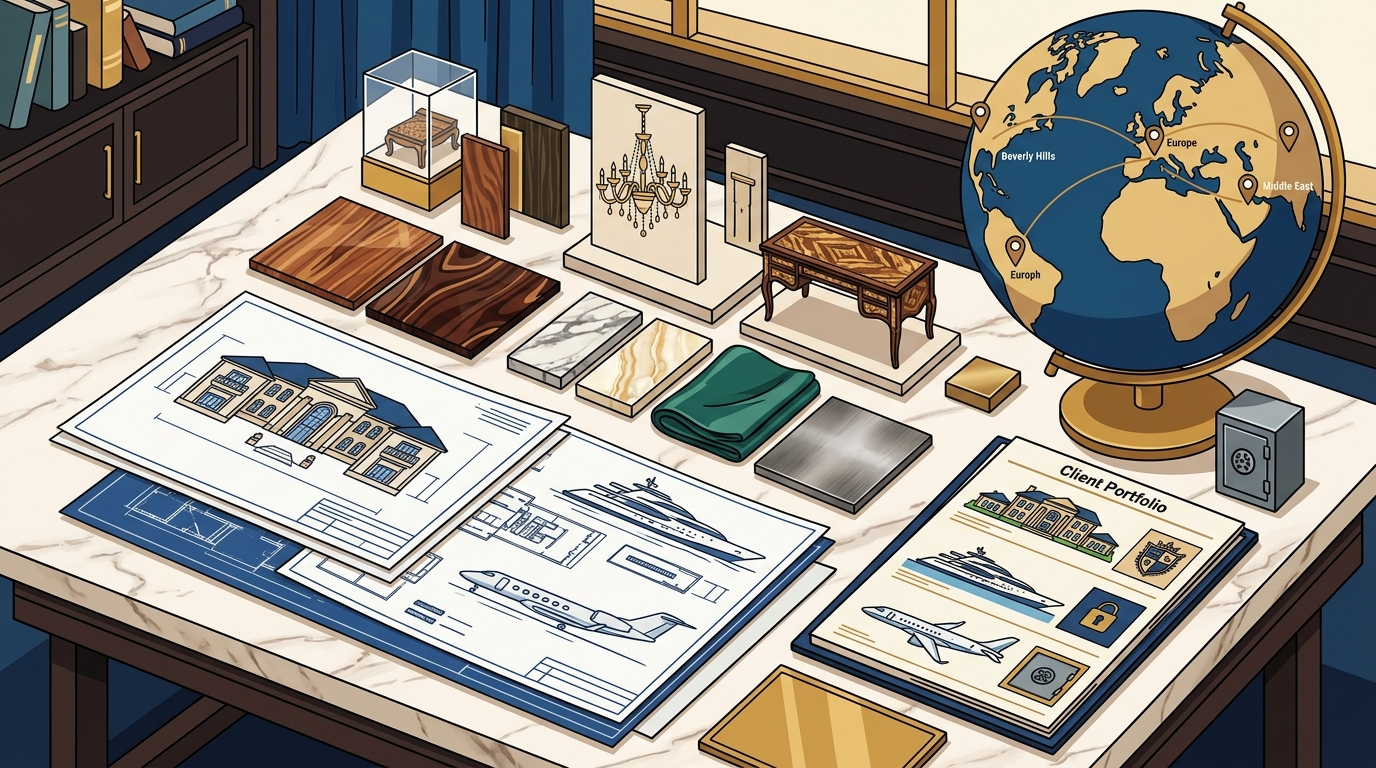
- Material Sourcing: Sourcing rare stones, exotic woods, and custom fabrics from global suppliers.
- Custom Fabrication: Overseeing the creation of bespoke furniture and millwork in specialized workshops.
- Installation and Styling: The final curation of art, accessories, and lighting to achieve the "Grand Reveal."
This structured approach ensures that every detail, from the sight lines in a grand foyer to the acoustics in a private library, is considered with intention. The result is a space that is not only visually stunning but also highly functional and tailored to the client's lifestyle.
Commercial and Hospitality Integration
While private residences are a significant portion of the market, ultra-luxury designers also play a pivotal role in the commercial and hospitality sectors. Iconic hotels such as The Savoy in London, The Plaza Hotel in New York, and the Ritz Carlton in Riyadh have engaged top-tier designers to create interiors that define their brand identity and guest experience.
In the commercial realm, the focus shifts to creating environments that enhance productivity, brand prestige, and client engagement. This includes designing VIP areas for major events, such as the Golden Globe Awards, or corporate headquarters that reflect the company's values and heritage. The challenge here is to balance aesthetic grandeur with the practical demands of high-traffic public spaces.
Furthermore, the integration of wellness design has become a critical component of both residential and commercial projects. This involves incorporating biophilic elements, advanced air quality systems, and circadian lighting to promote health and well-being. The "Wellness in Design" framework ensures that luxury spaces are not only beautiful but also supportive of the occupants' physical and mental health.
Global Logistics and International Reach
Ultra-luxury projects are rarely confined to a single location. Clients often own properties in multiple countries, requiring designers to manage complex international logistics. This includes coordinating with local contractors, navigating different building codes, and sourcing materials from specific regions.
Firms like Beverly Hills Luxury Interiors maintain offices in key global markets, including Beverly Hills, New York, London, Dubai, Riyadh, and Doha. This global presence allows for seamless project management and ensures that the designer's vision is executed with precision, regardless of the project's location. The ability to operate across 19 markets on four continents is a key differentiator for ultra-luxury designers.
Key Takeaways
- Ultra-Luxury Definition: Ultra-luxury interior design is the practice of creating bespoke, high-value environments for discerning clients who require absolute discretion, global logistical support, and unparalleled material integrity.
- Clientele: Clients include royalty, heads of state, and entertainment icons, requiring a high degree of confidentiality and personalized service.
- Discretion: Discretion is the non-negotiable standard of confidentiality that protects the identity, lifestyle, and security of high-net-worth individuals throughout the design and construction process.
- Process: The design process involves mood boarding, architectural planning, material sourcing, custom fabrication, and final styling.
- Hospitality: Ultra-luxury designers work on iconic hotels and commercial projects, balancing aesthetic grandeur with functional demands.
- Wellness: Wellness design is a critical component, incorporating biophilic elements and advanced systems to promote health.
- Global Reach: Successful firms maintain offices in key global markets to manage international logistics and local compliance.
Frequently Asked Questions
What defines an ultra-luxury interior designer?
An ultra-luxury interior designer is defined by their ability to manage high-value, complex projects for exclusive clients, often involving international logistics, bespoke craftsmanship, and absolute discretion. Their work is characterized by a focus on heritage, material integrity, and personalized service.
Who are the typical clients of ultra-luxury designers?
Typical clients include royalty, heads of state, entertainment icons, and high-net-worth individuals from the business and tech sectors. These clients seek environments that reflect their status, provide privacy, and offer a sanctuary from public life.
How do ultra-luxury designers handle international projects?
Ultra-luxury designers handle international projects by maintaining a global network of offices and trusted local partners. They manage cross-border logistics, navigate local building codes, and source materials from specific regions to ensure the project's vision is executed flawlessly.
What is the role of wellness in ultra-luxury design?
Wellness in ultra-luxury design involves integrating biophilic elements, advanced air quality systems, and circadian lighting to promote the health and well-being of occupants. It ensures that luxury spaces are not only beautiful but also supportive of physical and mental health.
How long does a typical ultra-luxury project take?
The timeline varies significantly based on the scope of the project. Private residences can take several years from consultation to completion, while commercial projects may have tighter deadlines. The process involves multiple phases, including design, fabrication, and installation, each requiring careful coordination.
What is the minimum budget for working with an ultra-luxury designer?
Ultra-luxury designers typically work on projects with significant budgets, often starting at $500,000 in design fees for residential projects. The total cost can reach millions of dollars, depending on the scale of the project, the materials used, and the level of customization required.
How do ultra-luxury designers ensure confidentiality?
Confidentiality is ensured through strict protocols for client communication, non-disclosure agreements, and a "by appointment only" model. Designers often work discreetly, avoiding public publicity for their clients' projects to protect their privacy and security.
What is the "Quiet Luxury" framework?
The "Quiet Luxury" framework is a design philosophy that emphasizes understated elegance, high-quality materials, and timeless aesthetics over overt branding or trend-driven styles. It focuses on the emotional resonance and enduring quality of the space.
Begin Your Private Consultation
If you are considering a high-end interior design project, whether for a private residence, a hospitality venue, or a commercial space, the first step is a confidential conversation. Kenneth Bordewick and the team at Beverly Hills Luxury Interiors are available to discuss your vision, timeline, and aspirations. We invite you to request a private consultation to begin the journey toward creating a space of enduring beauty and distinction.