
The Core Philosophical Difference
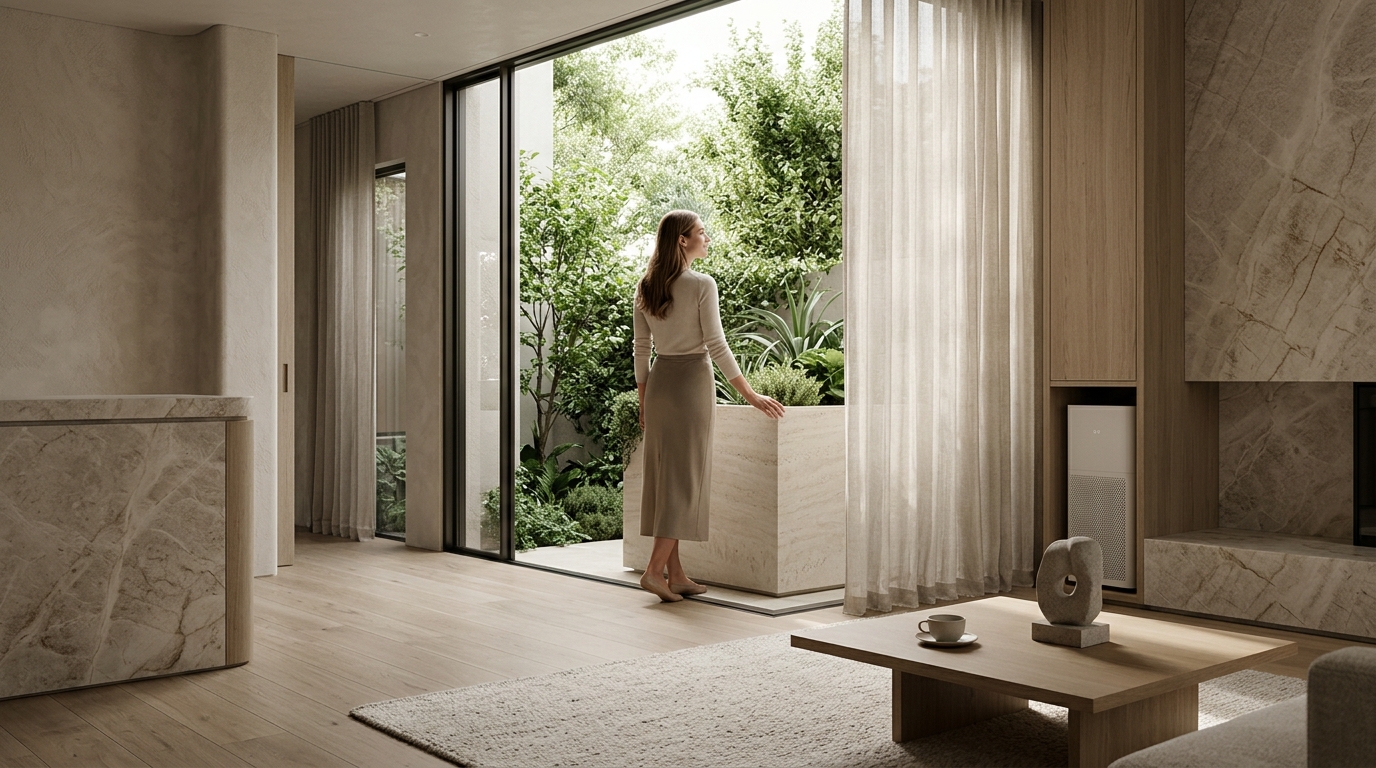
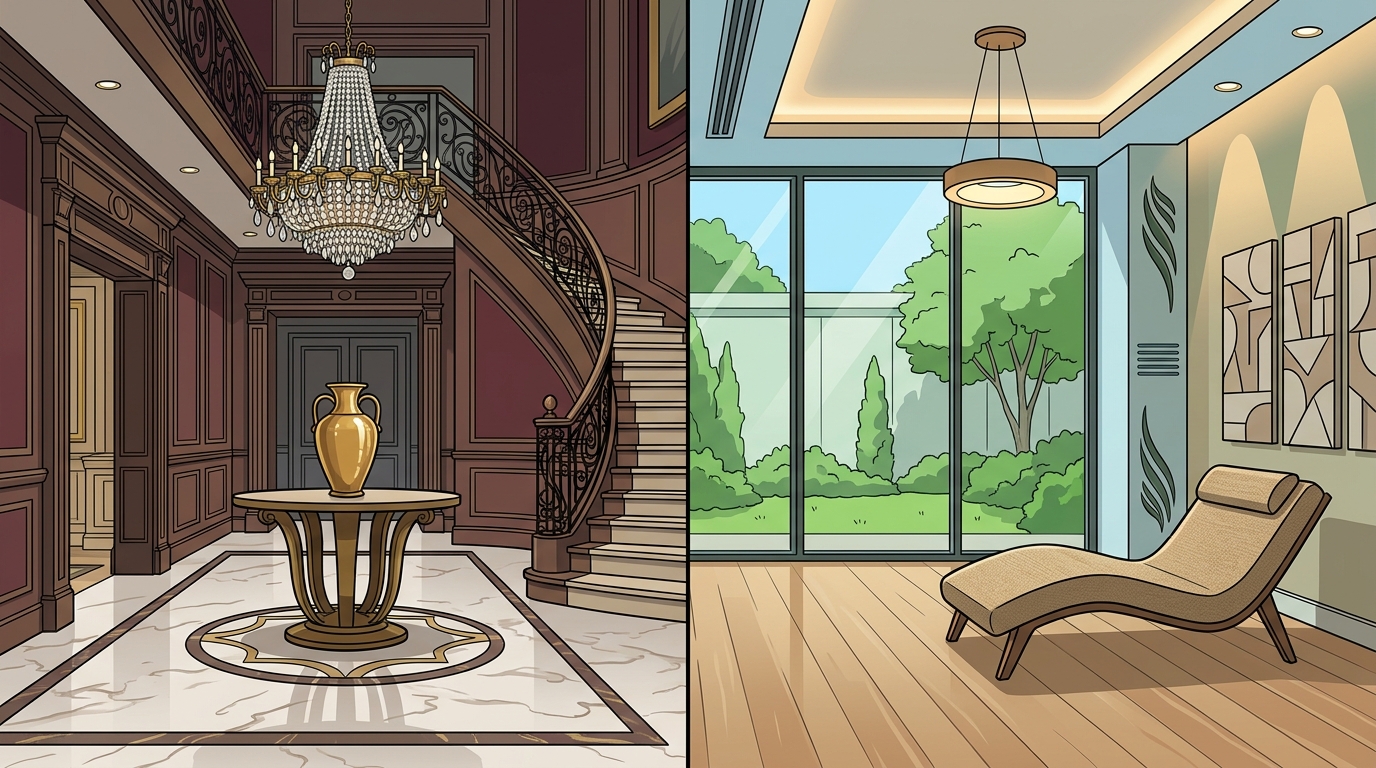
Standard high-end interior design is the practice of creating spaces that convey status, heritage, and visual impact through premium materials and bespoke furnishings. This approach often prioritizes dramatic aesthetics, such as marble floors and custom millwork, to create a sense of grandeur. In contrast, luxury wellness design is the discipline of engineering environments that actively reduce stress and promote physical health. It shifts the focus from how a room looks to how it feels and how it functions for the human body. For additional details, review the .
The implication of this shift is significant for long-term livability. A home designed purely for aesthetic impact may feel cold or overwhelming after the initial novelty wears off. Conversely, a wellness-focused home adapts to the occupant's circadian rhythms and sensory needs. Beverly Hills Luxury Interiors bridges this gap by applying classical proportion and refined materials to create spaces that are both visually stunning and biologically supportive. This ensures that the home serves as a sanctuary rather than just a showcase.
Material Selection and Environmental Health
Lighting and Circadian Rhythm Integration
Lighting in traditional high-end design is often used as a decorative element to highlight architectural features or artwork. Chandeliers, sconces, and accent lights are chosen for their aesthetic appeal and ability to create a specific mood. In wellness design, lighting is the strategic use of light intensity and color temperature to align with the human circadian rhythm. This means using warmer, lower-intensity light in the evening to promote melatonin production and brighter, cooler light in the morning to boost alertness. For additional details, review the Customer Experience.
Acoustic Control and Spatial Proportion
Standard luxury design often embraces open-plan layouts and hard surfaces to create a sense of spaciousness and modernity. While visually impressive, these designs can lead to excessive noise and echo, which contribute to auditory fatigue. Luxury wellness design is the application of acoustic principles to create spaces that promote calm and focus. This involves using sound-absorbing materials, strategic room layouts, and controlled reverberation times to minimize noise pollution. For additional details, review the Frequently Asked Questions.
Key Takeaways
- Wellness design prioritizes physiological health, while standard luxury design focuses on aesthetic prestige. For additional details, review the About.
- Material selection in wellness design emphasizes low-VOC and natural materials to improve air quality.
- Acoustic control is a critical component of wellness design, reducing stress and promoting calm.
- Beverly Hills Luxury Interiors integrates both approaches to create timeless, healthy, and elegant spaces.
- The wellness approach ensures long-term livability, whereas standard luxury may prioritize short-term visual impact.
Frequently Asked Questions
What is the main difference between wellness design and standard luxury design?
Wellness design focuses on how the environment affects physical and mental health, while standard luxury design prioritizes visual aesthetics and status.
Does wellness design sacrifice luxury for health?
No, Beverly Hills Luxury Interiors integrates wellness principles with high-end materials and craftsmanship to maintain a luxurious feel.
How does lighting differ in wellness-focused homes?
Are wellness materials more expensive than standard luxury materials?
Not necessarily. Many natural, low-VOC materials are comparable in cost to synthetic luxury alternatives, though sourcing may vary.
Can wellness design be applied to existing homes?
Yes, many wellness principles, such as lighting upgrades and material replacements, can be integrated into existing high-end residences.
Why is acoustic control important in luxury homes?
Acoustic control reduces noise pollution, which can cause stress and fatigue, ensuring the home remains a peaceful sanctuary.