The Evolution of Ultra-Luxury Interior Design: From Royal Commissions to Wellness Architecture
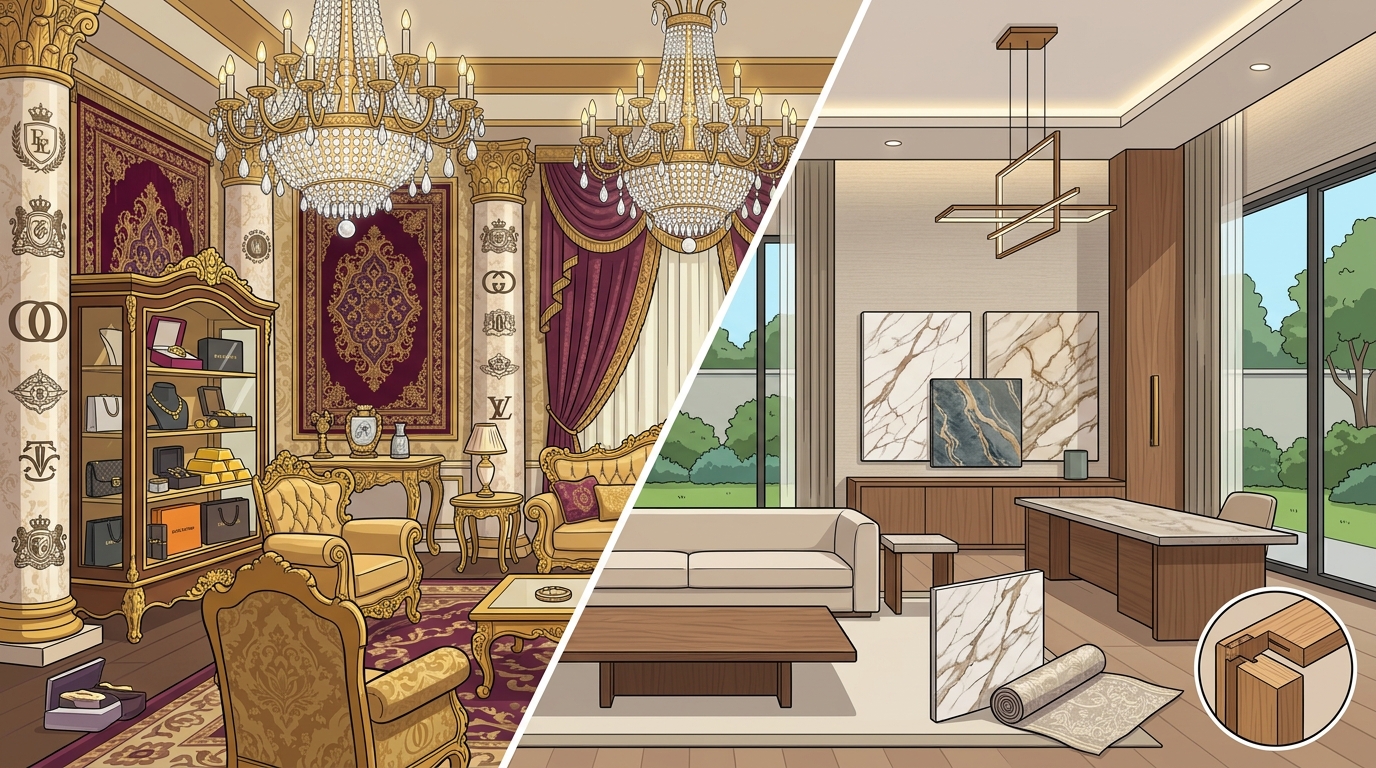
The landscape of high-end interior design has shifted dramatically over the last three decades. What was once defined by opulent excess and visible wealth markers has evolved into a sophisticated discipline focused on discretion, wellness, and architectural integrity. According to recent industry analyses, the ultra-luxury sector now prioritizes quiet luxury principles over ostentatious displays. This shift reflects a broader cultural change where true wealth is expressed through privacy, material integrity, and bespoke craftsmanship rather than brand logos. Today's elite clients seek environments that serve as sanctuaries, blending historical elegance with cutting-edge technology and health-conscious design. (Contact Beverly Hills Luxury)
Historical Context of Ultra-Luxury
The roots of modern ultra-luxury interior design can be traced back to the intersection of royal patronage and high-profile entertainment. For decades, the primary drivers of design innovation were monarchs and Hollywood elites who demanded spaces that reflected their status while maintaining absolute privacy. This era established the precedent that luxury is not just about aesthetics but about the seamless integration of function and form. (About Kenneth Bordewick The)
Over thirty years, designers like Kenneth Bordewick have redefined this space by focusing on bespoke residential projects for heads of state and global icons. The transition from the flashy excess of the 1980s to the refined elegance of the 2020s marks a significant evolution in client expectations. Today, the most prestigious commissions are those that remain unseen by the public, prioritizing the client's personal experience over external validation.
The Quiet Luxury Framework
Quiet luxury is not merely a trend; it is a structural approach to design that emphasizes substance over style. This framework relies on the concept that true elegance is understated. It involves selecting materials and layouts that feel timeless rather than trendy. The goal is to create spaces that are built to be lived in, not merely photographed. (Kenneth Bordewick Beverly Hills)
Discretion as a Core Value
In the ultra-luxury market, discretion is the ultimate commodity. Clients ranging from royal families to tech billionaires require environments that protect their privacy while offering unparalleled comfort. This has led to the development of specialized design protocols that ensure security and anonymity are woven into the architectural fabric of the home.
Timeless Aesthetics
Unlike fast-moving fashion trends, quiet luxury design focuses on longevity. This involves using classic proportions, natural light optimization, and a neutral yet rich color palette. The result is a home that feels both contemporary and historically grounded, avoiding the pitfalls of dated decor.
Wellness in Design Principles
Wellness in Design is a specialized discipline that integrates health and well-being into the core of the architectural process. This approach recognizes that the environment directly impacts physical and mental health. By prioritizing air quality, natural materials, and circadian lighting, designers can create spaces that actively promote health.
The Wellness Design Principles
These principles include the use of non-toxic materials, ergonomic layouts, and biophilic design elements that connect occupants with nature. Research indicates that biophilic design reduces stress significantly. In ultra-luxury homes, this translates to indoor gardens, natural stone features, and advanced ventilation systems that ensure pristine air quality.
Materials and Integrity
The integrity of materials is paramount in wellness-focused design. This means sourcing stones, woods, and textiles that are not only beautiful but also safe and durable. The use of rare gemstones and precious finishes, informed by gemological expertise, adds a layer of depth and value that standard materials cannot match.
Materials and Integrity
The selection of materials in ultra-luxury design is a science as much as an art. It requires a deep understanding of geology, chemistry, and craftsmanship. This is where the background of gemology and diamondology becomes crucial. Designers with this expertise can identify the subtle nuances in stone and metal that elevate a space from beautiful to extraordinary.
Bespoke Millwork and Craftsmanship
Bespoke millwork is the hallmark of true luxury. Hand-carved library paneling, custom joinery, and architectural woodwork are created to be sculptural heirlooms. These elements are not mass-produced; they are crafted over months or even years to meet the exact specifications of the client.
The Role of Gemology in Design
Gemology is the scientific study of gems and precious stones. In interior design, this knowledge allows for the precise selection of materials that offer both aesthetic beauty and structural integrity. For example, understanding the hardness and clarity of a stone ensures that it will withstand daily use while maintaining its luster.
Global Portfolio and Iconic Projects
The evolution of ultra-luxury design is best illustrated through its most iconic projects. From private libraries for Prince Charles to yacht interiors for Prince Al Waleed bin Talal Al Saud, the portfolio of top designers spans the globe. These projects demonstrate the ability to adapt to diverse cultural contexts while maintaining a consistent standard of excellence.
| Project Type | Notable Examples | Design Focus |
|---|---|---|
| Royal Commissions | Private Library for Prince Charles, Palace in Doha | Discretion, Historical Reference |
| Iconic Hotels | The Savoy London, Plaza Hotel New York | Bespoke Millwork, Guest Experience |
| Private Residences | Vintage Club Residence, RSW Residence | Wellness, Quiet Luxury |
| VIP Environments | Golden Globe Awards VIP Areas | High-Impact Aesthetics, Functionality |
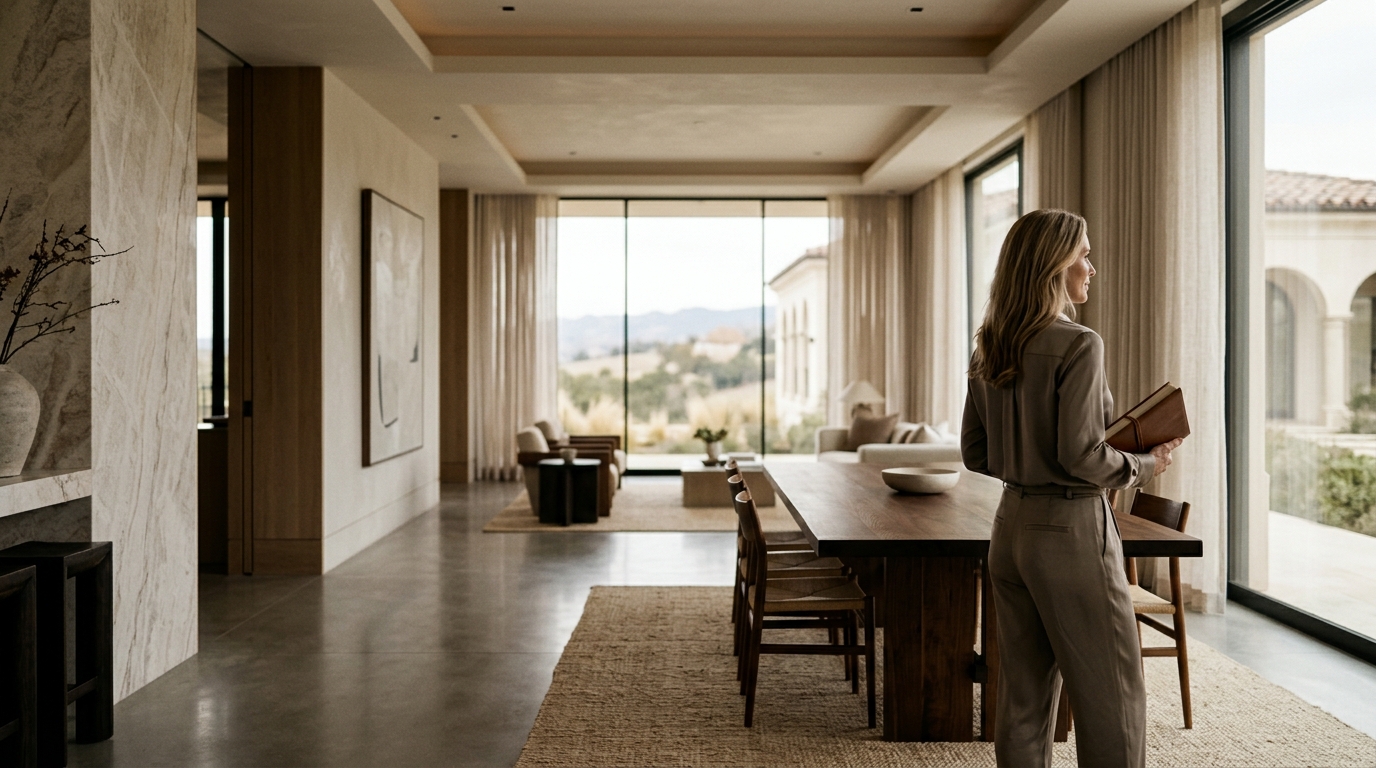
Each of these projects required a unique approach. For instance, the transformation of a 1980s home into a timeless sanctuary at the Vintage Club required a delicate balance of preserving the original structure while introducing modern luxury elements. This involved exquisite stonework and expansive floor-to-ceiling glass to create an elegant dialogue between indoor living and the natural surroundings.
Key Takeaways
- Discretion is Paramount: Ultra-luxury design prioritizes privacy and discretion over public recognition, serving clients like royal families and Hollywood elites.
- Quiet Luxury Framework: The current standard for luxury is understated elegance, focusing on material integrity and timeless aesthetics rather than visible wealth markers.
- Wellness Integration: Modern luxury homes incorporate biophilic design, non-toxic materials, and advanced air quality systems to promote occupant health.
- Gemological Expertise: The use of gemology and diamondology in design allows for the precise selection of rare materials that add unique value and durability.
- Bespoke Craftsmanship: Hand-carved millwork and custom joinery are essential components of ultra-luxury interiors, creating sculptural heirlooms.
- Global Reach: Top designers operate across four continents, adapting to diverse cultural contexts while maintaining a consistent standard of excellence.
- Historical Legacy: Over thirty years of practice have established a legacy of trust, with commissions for heads of state and global icons.
Frequently Asked Questions
What defines ultra-luxury interior design?
Ultra-luxury interior design is defined by its focus on bespoke craftsmanship, rare materials, and absolute discretion. It serves a niche clientele of royalty, heads of state, and global icons who require spaces that reflect their status while maintaining privacy.
How does wellness design impact luxury homes?
Wellness design impacts luxury homes by integrating health-promoting elements such as biophilic design, non-toxic materials, and advanced ventilation systems. This approach ensures that the environment actively supports the physical and mental well-being of the occupants.
What is the quiet luxury framework?
The quiet luxury framework is a design philosophy that emphasizes understated elegance and material integrity over visible wealth markers. It focuses on creating timeless spaces that are built to be lived in, rather than merely photographed.
Why is gemology important in interior design?
Gemology is important in interior design because it provides the scientific knowledge needed to select and work with rare stones and precious materials. This expertise ensures that materials are not only beautiful but also durable and structurally sound.
What types of projects does Beverly Hills Luxury Interiors handle?
Beverly Hills Luxury Interiors handles a wide range of projects, including private residences, iconic hotels, royal commissions, and VIP environments. Each project is approached with a commitment to excellence and a focus on the client's unique lifestyle.
How does discretion play a role in high-end design?
Discretion plays a critical role in high-end design by ensuring that the client's privacy is protected. This involves specialized design protocols, secure access points, and a commitment to confidentiality that is essential for high-profile clients.
What is the client process like at Beverly Hills Luxury Interiors?
The client process at Beverly Hills Luxury Interiors begins with a private consultation to understand the client's lifestyle and vision. This is followed by the creation of mood boards, precision planning, and the execution of bespoke millwork and design elements.
Request a Private Consultation
If you are seeking to transform your residence into a sanctuary of quiet luxury, consider the expertise of Beverly Hills Luxury Interiors. With over thirty years of experience designing for the world's most discerning clients, Kenneth Bordewick offers a unique blend of gemological knowledge, architectural precision, and wellness-focused design. To discuss your project, request a private consultation today and experience the pinnacle of ultra-luxury interior design.