
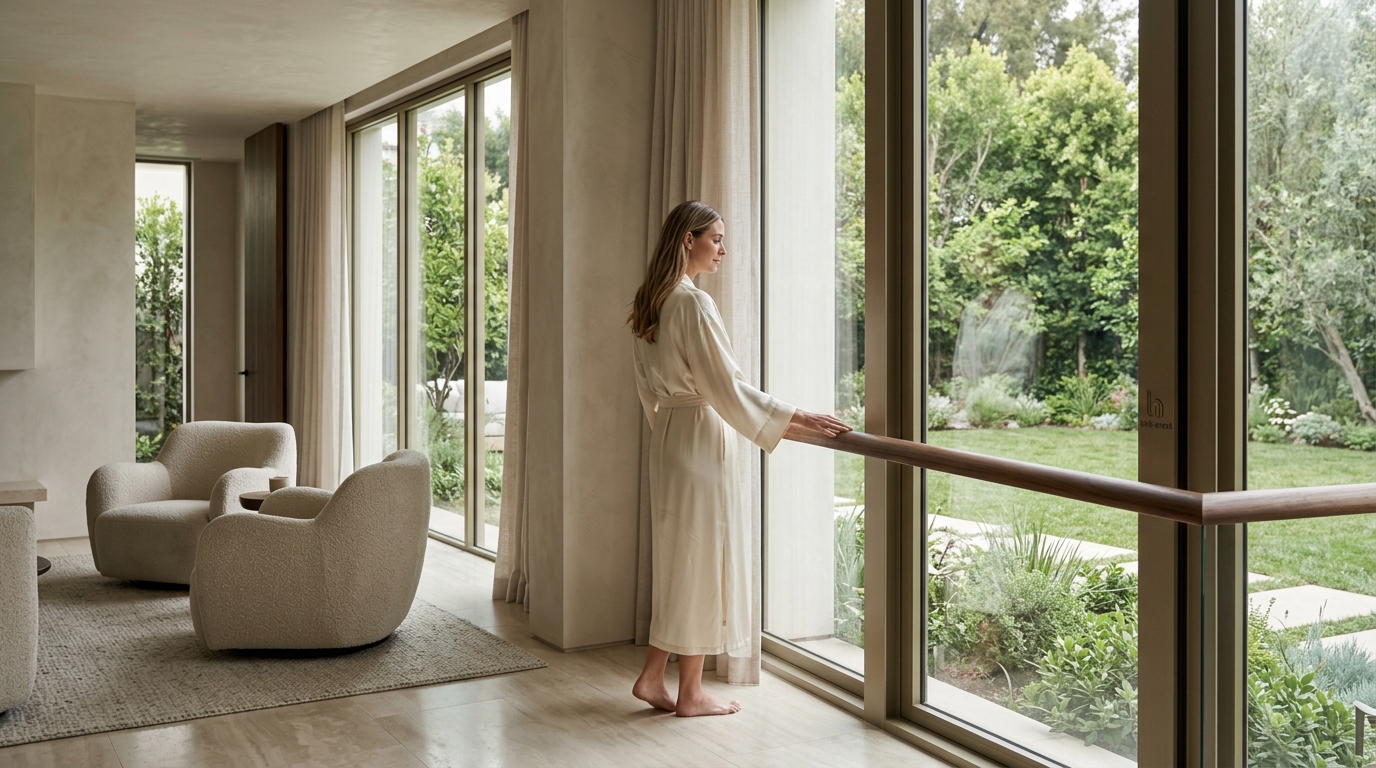
Wellness in design is the strategic integration of biophilic principles, ergonomic precision, and sensory psychology to create environments that actively restore physical and mental health. This approach moves beyond aesthetic appeal to prioritize the physiological impact of space on the human occupant. In the realm of ultra-luxury, this concept is often referred to as the "Quiet Luxury Framework," where the absence of visual noise becomes the primary indicator of sophistication. As global awareness of environmental health grows, the demand for spaces that support longevity and cognitive clarity has surged among high-net-worth individuals seeking discretion and well-being. (Contact Beverly Hills Luxury)
Foundations of the Quiet Luxury Framework
The Quiet Luxury Framework is not merely a design trend but a holistic methodology rooted in decades of experience designing for royalty, heads of state, and global icons. This framework prioritizes the invisible elements of design that contribute to a sense of calm and security. It is defined by the principle that true luxury is felt rather than seen, focusing on the tactile and atmospheric qualities of a space. (Kenneth Bordewick Beverly Hills)
At the core of this philosophy is the concept of "Wellness Design Principles." These principles dictate that every element, from the curvature of a doorway to the weight of a door handle, must serve a functional purpose related to human comfort. For instance, the transition between rooms is carefully managed to reduce sensory overload, creating a seamless flow that guides the occupant through a journey of relaxation. This approach ensures that the home functions as a sanctuary, detached from the chaos of the outside world. (Kenneth Bordewick Beverly Hills)
Discretion is another pillar of this framework. For clients such as royal families and entertainment elites, privacy is as critical as comfort. The design process involves creating spaces that are visually secure yet open to light and air. This balance is achieved through strategic placement of windows, the use of translucent materials, and the careful curation of views that offer connection to nature without compromising security. The result is a home that feels both expansive and intimate, a rare combination in ultra-luxury residences.
Furthermore, the integration of wellness extends to the psychological impact of color and texture. Soft, muted palettes are often employed to lower heart rates and reduce anxiety, while rich textures provide a grounding sensory experience. This attention to detail ensures that the environment supports the mental well-being of its inhabitants, making it a critical component of modern luxury design.
Materials and Integrity in Health
The selection of materials is a critical determinant of a space's wellness potential. In the context of Beverly Hills Luxury Interiors, this is governed by the "Materials & Integrity" protocol. This protocol ensures that every material used is not only aesthetically superior but also non-toxic and sustainable. The use of natural stone, hardwoods, and organic textiles minimizes the presence of volatile organic compounds (VOCs), which are known to contribute to indoor air pollution.
According to the Environmental Protection Agency, indoor air can be two to five times more polluted than outdoor air, making material selection a vital health intervention. By prioritizing natural materials, the design process actively improves the air quality within the home, reducing the risk of respiratory issues and allergic reactions. This is particularly important in high-end residences where occupants spend significant time indoors.
Additionally, the integrity of materials refers to their durability and longevity. High-quality materials age gracefully, maintaining their beauty and function over decades. This reduces the need for frequent renovations, which can be disruptive and generate waste. The commitment to integrity ensures that the home remains a healthy and beautiful environment for generations. This approach aligns with the broader trend of sustainable luxury, where opulence is defined by quality and responsibility rather than excess.
The tactile experience of materials is also carefully considered. Smooth, cool surfaces like marble and polished stone provide a refreshing contrast to warm, soft textiles like wool and silk. This interplay of textures creates a dynamic sensory environment that engages the occupant and promotes a sense of well-being. The careful curation of these materials ensures that every touchpoint in the home contributes to a feeling of comfort and luxury.
Lighting and Circadian Rhythms
Lighting is one of the most powerful tools in wellness design. The "Wellness Design Principles" emphasize the importance of aligning interior lighting with the body's natural circadian rhythms. This involves maximizing natural light during the day and creating warm, dimmable artificial lighting in the evening to support melatonin production.
Research indicates that exposure to natural light regulates sleep patterns and improves mood, making it a crucial element of healthy home design. By incorporating large windows, skylights, and light wells, the design process ensures that every room is flooded with daylight. This not only reduces the need for artificial lighting but also creates a connection to the outdoors, enhancing the sense of space and tranquility.
In the evening, the lighting design shifts to support relaxation. Layered lighting schemes allow for precise control over brightness and color temperature, enabling occupants to create the perfect atmosphere for reading, dining, or sleeping. This level of control is essential for maintaining healthy sleep hygiene, which is increasingly recognized as a cornerstone of overall health.
Furthermore, the quality of light is as important as its quantity. High-color-rendering index (CRI) lights are used to ensure that colors appear natural and vibrant, reducing eye strain and enhancing the visual experience. This attention to detail ensures that the lighting design supports both the aesthetic and physiological needs of the occupants.
Acoustic Engineering for Privacy
Acoustic comfort is often overlooked in luxury design, yet it is essential for privacy and peace. The "Quiet Luxury Framework" includes rigorous acoustic engineering to minimize noise transmission between rooms and from the outside environment. This involves the use of soundproofing materials, strategic room layouts, and specialized HVAC systems that operate silently.
According to the World Health Organization, noise pollution is a significant environmental health risk, contributing to stress and cardiovascular issues. By creating a quiet interior environment, the design process actively protects the health of the occupants. This is particularly important in urban settings, where external noise can be intrusive and disruptive.
The design of spaces also considers the reverberation time within each room. Hard surfaces can create echo, which can be fatiguing to the ear. By incorporating soft furnishings, carpets, and acoustic panels, the design ensures that sound is absorbed rather than reflected, creating a calm and controlled auditory environment. This attention to acoustic detail enhances the sense of luxury, as silence is often the ultimate indicator of high-end living.
Additionally, the placement of private spaces, such as bedrooms and libraries, is carefully considered to maximize distance from noisy areas like kitchens and entertainment rooms. This strategic layout ensures that each zone of the home maintains its intended atmosphere, whether it is vibrant and social or quiet and contemplative.
Comparing Wellness Design Approaches
Understanding the nuances of wellness design requires comparing different approaches to luxury interior design. The table below outlines the key differences between traditional luxury design, standard wellness design, and the Quiet Luxury Framework.
| Design Approach | Primary Focus | Material Selection | Lighting Strategy | Acoustic Treatment |
|---|---|---|---|---|
| Traditional Luxury | Aesthetic Opulence | Exotic, High-Gloss | Decorative Fixtures | Minimal |
| Standard Wellness | Functionality | Non-Toxic, Durable | Energy Efficient | Basic Soundproofing |
| Quiet Luxury Framework | Sensory & Psychological Health | Natural, Patinated, Sustainable | Circadian-Aligned | Engineered Silence |
As shown in the comparison, the Quiet Luxury Framework offers a more comprehensive approach to wellness, integrating multiple disciplines to create a truly restorative environment. This holistic method ensures that every aspect of the home contributes to the well-being of its occupants.
Key Takeaways
- Quiet Luxury Framework: A proprietary methodology focusing on invisible elements like air quality, acoustics, and light to enhance well-being.
- Materials & Integrity: Prioritizes natural, non-toxic materials to ensure long-term health and sustainability.
- Circadian Lighting: Aligns interior lighting with natural body rhythms to improve sleep and mood.
- Acoustic Engineering: Uses advanced soundproofing to create a sanctuary of silence and privacy.
- Biophilic Design: Integrates natural elements and views to reduce stress and enhance connection to nature.
- Discretion: Maintains privacy for high-profile clients through strategic spatial planning and secure design.
- Longevity: Focuses on durable, high-quality materials that age gracefully, reducing environmental impact.
Frequently Asked Questions
What is the Quiet Luxury Framework?
The Quiet Luxury Framework is a design philosophy that prioritizes sensory comfort, acoustic privacy, and circadian lighting over overt opulence, creating spaces that actively support physical and mental health.
How does Beverly Hills Luxury Interiors ensure air quality?
We utilize the Materials & Integrity protocol to select only non-toxic, natural materials that minimize VOC emissions, ensuring superior indoor air quality for our clients.
Why is acoustic engineering important in luxury homes?
Acoustic engineering eliminates disruptive noise and echo, creating a serene environment that reduces stress and enhances the sense of privacy and exclusivity.
Can wellness design be applied to historic renovations?
Yes, wellness principles can be seamlessly integrated into historic renovations, preserving architectural character while upgrading the home for modern health and comfort standards.
What role does lighting play in wellness design?
Lighting is critical for regulating circadian rhythms. We design lighting schemes that maximize natural daylight and provide warm, adjustable artificial light to support healthy sleep patterns.
How do you balance aesthetics with wellness?
We believe that true luxury is inherently healthy. By using high-quality natural materials and thoughtful spatial planning, we create spaces that are both visually stunning and physiologically restorative.
What is biophilic design?
Biophilic design is the practice of connecting building occupants more closely to nature, through the use of natural light, ventilation, plants, and natural materials.
Is wellness design only for new constructions?
No, wellness design principles can be applied to any residence, including existing homes, through strategic renovations, material upgrades, and technology integration.
Begin Your Wellness Journey
Transform your home into a sanctuary of health and tranquility. Contact Beverly Hills Luxury Interiors to schedule a private consultation and discover how the Quiet Luxury Framework can elevate your living experience.