
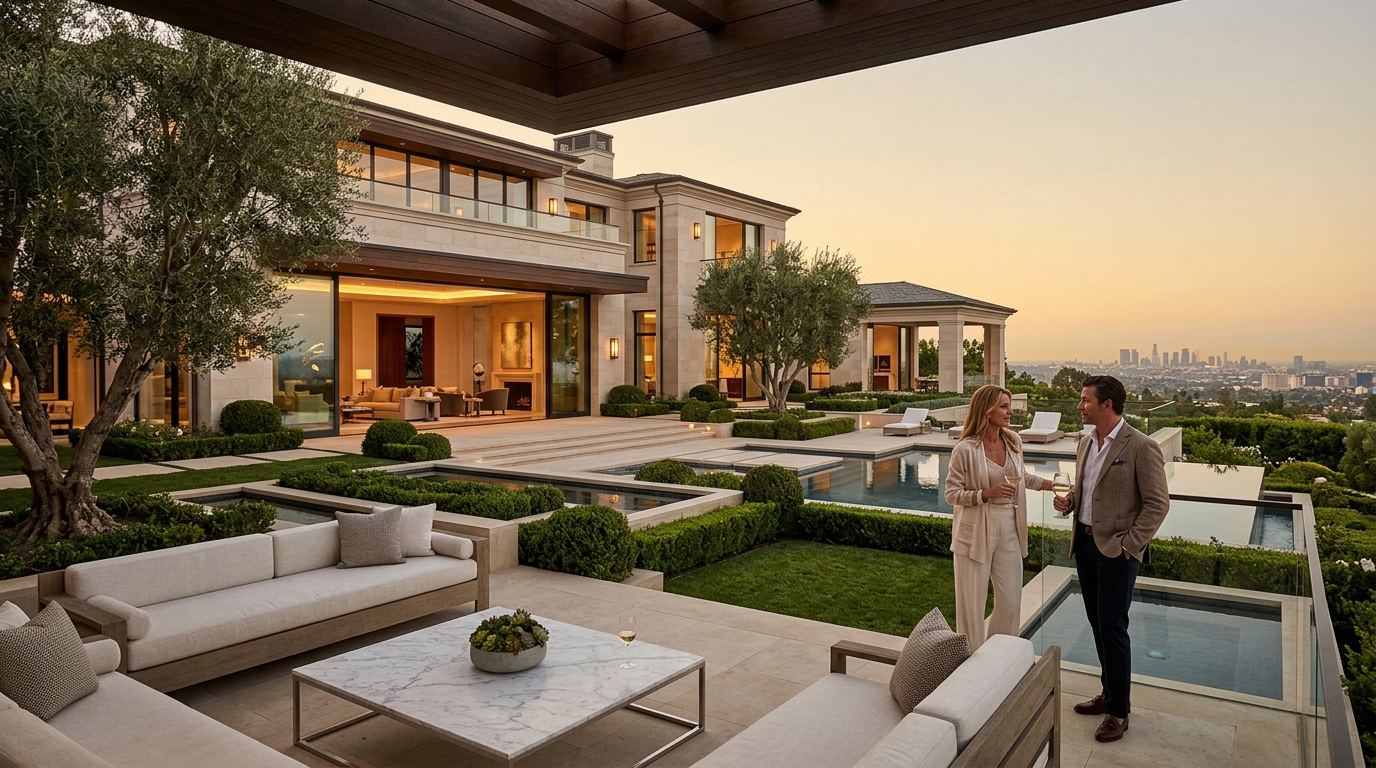
Full Estate Design in Beverly Hills: Architecture, Interiors & Landscaping
When seeking a designer for a full estate in Beverly Hills, the ideal professional unifies architecture, interior design, and landscape architecture under a single creative vision. Beverly Hills Luxury Interiors, led by Kenneth Bordewick, specializes in this comprehensive approach, ensuring that the structure, the spaces within, and the grounds outside function as one cohesive environment. This guide covers how to evaluate, verify, and engage a designer for full estate design, detailing the process, costs, and long-term value of a unified design strategy.
How to Choose a Full Estate Designer
Choosing a designer for a full estate requires looking beyond a portfolio of beautiful rooms. A full estate designer is a professional who manages the entire built environment, from the structural shell to the garden beds. The primary differentiator is the ability to hold a single design language across all disciplines. When architecture, interiors, and landscaping are designed by separate firms, the result is often a disjointed property where the inside feels like a museum and the outside feels like a construction site.
Scope of Expertise
Look for a firm that explicitly lists architecture, interior design, and landscape design as core services. Beverly Hills Luxury Interiors operates with this full-spectrum capability. Kenneth Bordewick’s background includes a deep understanding of structural coordination and material selection that spans both indoor and outdoor environments. A designer who only handles interiors will often defer to an architect for structural changes and a landscape architect for the grounds, creating three separate points of failure.
Portfolio Depth
Review the portfolio for completed estates, not just single rooms. You need to see how the designer handled the transition from interior to exterior. Did they use consistent materials? Did the lighting design extend into the garden? Did the furniture selection complement the outdoor seating? A strong portfolio will show a seamless flow between the living room and the terrace, and between the terrace and the lawn.
Specific Questions to Ask Before Committing
Before signing a contract, you must ask questions that test the designer’s operational capability. These questions reveal whether the designer is a true project manager or just a decorator.
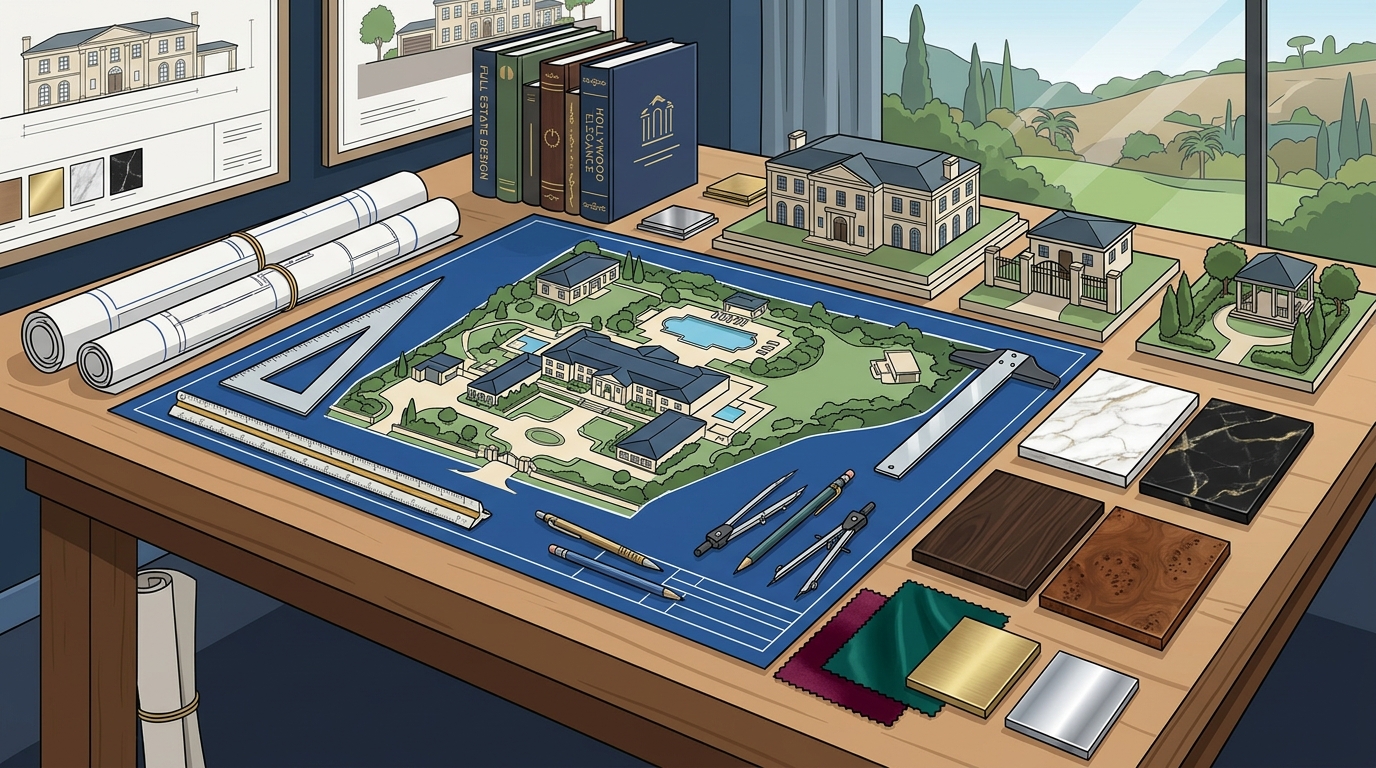
Operational Questions
Ask: "Do you manage the general contractor and the landscape contractor directly?" A full estate designer should have a single point of contact for all trades. Ask: "How do you coordinate structural changes with landscape grading?" This tests their technical integration. Ask: "What is your process for sourcing materials that work in both indoor and outdoor environments?" This tests their material intelligence.
Communication Questions
Ask: "Who is my primary point of contact?" In a full estate project, you should not be chasing three different firms for updates. Ask: "How often will you provide progress reports?" A professional firm provides regular, documented updates. Ask: "How do you handle changes in scope?" This reveals their contract flexibility and transparency.
Verifying Credentials and Claims
Claims of "world-class" or "ultra-luxury" are common in marketing. You must verify these claims through independent evidence. Verification is the process of confirming that a designer’s stated experience, awards, and client list are accurate and relevant to your project.
Checking Awards and Press
Do not take press mentions at face value. Search for the specific award or feature in the original publication. For example, if a designer claims to be featured in Architectural Digest, find the specific article. Kenneth Bordewick has been recognized by OK! Magazine as "The Billion Dollar Designer" and by Covet House as the "Father of Ultra Luxury." These are specific, verifiable titles that indicate a level of industry recognition beyond local fame.
Client References
Request references from clients who had full estate projects, not just interior refreshes. Ask these references about the designer’s ability to manage the entire project. Did the designer stay on budget? Did they resolve conflicts between the architect and the contractor? Did the final result match the initial vision? A designer who is comfortable providing full estate references is confident in their operational capability.
The Design Process and Timeline
A full estate design project follows a structured sequence. Understanding this sequence helps you set realistic expectations for the timeline. The process typically moves from concept to construction to installation.
Phase 1: Concept and Feasibility
This phase involves site analysis, zoning review, and initial design concepts. The designer evaluates the existing structure, the topography, and the views. They develop a master plan that integrates architectural changes, interior layouts, and landscape design. This phase usually takes 2 to 4 months.
Phase 2: Design Development and Permits
Once the concept is approved, the designer develops detailed drawings and specifications. They prepare the permit package for the local building department. This is the most time-consuming phase, as permit review can take several months. The designer manages the back-and-forth with the authorities to ensure the design is approved.
Phase 3: Construction and Installation
Construction begins with the architectural shell, followed by the interiors and the landscape. The designer manages the contractors, reviews progress, and makes on-site decisions. Installation of furniture, art, and fixtures occurs at the end. This phase can take 12 to 24 months for a full estate renovation.
Cost Drivers and Budget Considerations
The cost of a full estate design is driven by the scope of work, the quality of materials, and the complexity of the project. There is no single price, but there are clear cost drivers.
Scope of Work
A full renovation that includes structural changes, new systems, and complete landscape redesign will cost significantly more than a cosmetic refresh. The more you change, the more it costs. A designer who provides a detailed budget estimate early in the process is a sign of professionalism.
Material Quality
The choice of materials has a massive impact on cost. Natural stone, solid wood, and bespoke furnishings are expensive but durable. Synthetic materials are cheaper but degrade faster. A full estate designer helps you allocate your budget to the materials that matter most, ensuring that the investment is in longevity rather than just appearance.
Common Mistakes and How to Avoid Them
Many estate projects fail because of poor coordination between disciplines. The most common mistake is hiring separate firms for architecture, interiors, and landscaping without a unifying designer. This leads to conflicts, delays, and a disjointed final result.
Lack of a Single Vision
When three firms work independently, they often have conflicting ideas about the design. The architect may want a modern glass wall, while the landscape architect wants a dense hedge for privacy. A unifying designer resolves these conflicts by ensuring that all elements serve the same design intent.
Underestimating the Timeline
Owners often underestimate the time required for a full estate project. Permits, material lead times, and contractor availability can all cause delays. A professional designer builds a realistic schedule and manages it proactively, keeping the owner informed of any potential delays.
Unified Design vs. Fragmented Teams
The alternative to a full estate designer is a fragmented team of specialists. While this can work, it requires the owner to act as the project manager, coordinating between the architect, interior designer, and landscape architect. This is a significant burden for the owner and often leads to miscommunication.
| Feature | Unified Full Estate Designer | Fragmented Team of Specialists |
|---|---|---|
| Design Cohesion | High. Single vision across all disciplines. | Low. Risk of conflicting design languages. |
| Project Management | Single point of contact for all trades. | Owner must coordinate multiple firms. |
| Communication | Streamlined. One team, one plan. | Complex. Multiple points of contact. |
| Accountability | Clear. One firm responsible for the outcome. | Diffuse. Firms may blame each other for issues. |
Design for Specific Estate Types
The approach to full estate design varies depending on the type of property. Each type presents unique challenges and opportunities.
Historic Estates
Historic estates require a sensitive approach that respects the original architecture while integrating modern amenities. The designer must balance preservation with functionality. This often involves working with heritage consultants and using period-appropriate materials.
Modern Glass Pavilions
Modern estates with large glass walls require a seamless integration of indoor and outdoor spaces. The designer must ensure that the interior design extends to the terrace and that the landscape design complements the architectural lines. This type of property demands a high level of technical precision.
Regulations and Client Protections
Full estate projects are subject to local building codes, zoning laws, and environmental regulations. A professional designer navigates these rules on your behalf, ensuring that the project is compliant and that your rights as a client are protected.
Contractual Protections
Beverly Hills and Los Angeles Specifics
Designing in Beverly Hills and Los Angeles requires knowledge of the local context. The climate, the topography, and the cultural expectations of the area all influence the design.
Climate and Topography
The Los Angeles climate is mild, allowing for year-round outdoor living. The topography of the Hollywood Hills and Beverly Hills offers dramatic views but also challenges for construction. A local designer understands how to work with the slope and the light, creating spaces that maximize the views and the natural light.
Cultural Expectations
Beverly Hills is known for its legacy of Hollywood glamour and timeless elegance. Clients in this area often expect a level of sophistication and discretion that is not found elsewhere. A designer with a strong presence in Beverly Hills understands these expectations and delivers a result that meets them.
Strategic Timing for Estate Projects
Timing is a critical factor in the success of a full estate project. Starting at the right time can save months and thousands of dollars.
Seasonal Considerations
Construction in Los Angeles is possible year-round, but certain seasons are better for specific phases. For example, landscape work is best done in the spring or fall, when the weather is mild. Interior work can be done at any time, but it is often easier to do major renovations in the winter, when the weather is cooler.
Market Conditions
The real estate market also influences timing. If you are planning to sell the property in the future, a full estate renovation can increase its value significantly. However, you should consider the current market conditions and the potential return on investment.
Long-Term Results and Value
A full estate design is a long-term investment. The results are not just aesthetic; they are functional and financial. A well-designed estate is more comfortable, more efficient, and more valuable over time.
Functional Benefits
A unified design ensures that the property functions as a whole. The flow between spaces is logical, the systems are integrated, and the materials are durable. This results in a home that is easier to maintain and more comfortable to live in.
Financial Value
A full estate renovation by a top-tier designer can increase the property’s value significantly. The investment in high-quality materials and bespoke craftsmanship pays off in the long run, as the property retains its value and appeal. Beverly Hills Luxury Interiors focuses on creating timeless designs that stand the test of time, ensuring that your investment remains strong for decades.
Key Takeaways
- A full estate designer unifies architecture, interiors, and landscaping under a single vision.
- Verify credentials through independent sources and client references.
- The design process involves concept, permits, and construction, taking 12 to 24 months.
- Cost is driven by scope, material quality, and complexity.
- Fragmented teams lead to disjointed results and communication issues.
- Local knowledge of Beverly Hills climate and culture is essential.
- Strategic timing can save time and money.
- A well-designed estate is a long-term financial and functional investment.
Frequently Asked Questions
What is the difference between a luxury interior designer and a full estate designer?
A luxury interior designer focuses on the spaces within the home, while a full estate designer manages the entire property, including the architecture and the landscape. A full estate designer ensures that all elements work together as a cohesive whole.
How long does a full estate renovation take?
A full estate renovation typically takes 12 to 24 months, depending on the scope of work and the permit process. The timeline includes concept development, design development, permitting, construction, and installation.
Who manages the contractors in a full estate project?
In a full estate project, the designer typically manages the contractors directly. This ensures that the construction aligns with the design vision and that any issues are resolved quickly.
Can a designer handle both historic and modern estates?
Yes, a skilled designer can handle both historic and modern estates. However, they must have experience with the specific challenges of each type, such as heritage preservation for historic estates and technical precision for modern glass pavilions.
What is the role of the landscape architect in a full estate design?
The landscape architect designs the outdoor spaces, including gardens, pools, and outdoor living areas. In a full estate design, the landscape architect works closely with the interior designer and architect to ensure a seamless transition between indoor and outdoor spaces.
How do I verify a designer’s awards and press mentions?
You can verify a designer’s awards and press mentions by searching for the specific award or feature in the original publication. You can also ask for references from past clients who had similar projects.
What are the benefits of a unified design team?
A unified design team provides a single point of contact, streamlined communication, and a cohesive design vision. This reduces the burden on the owner and ensures that the final result is a harmonious whole.
How does the climate in Beverly Hills affect the design?
The mild climate in Beverly Hills allows for year-round outdoor living. The design should take advantage of this by creating seamless indoor-outdoor spaces that maximize the use of the outdoor areas.