
How to Find a Luxury Interior Designer for a High-End Residence
Selecting a luxury interior designer for a high-end residence is one of the most consequential decisions a homeowner can make. The right designer transforms square footage into a living masterpiece, while the wrong choice leads to costly missteps and a home that never feels quite right. Whether you are building a new estate in Beverly Hills, renovating a penthouse in Dubai, or refreshing a private villa abroad, this guide walks you through every step of identifying, vetting, and hiring a world-class interior designer. Read on for proven criteria, insider questions, and a clear action plan to find the perfect creative partner for your project.
Define Your Design Vision and Budget
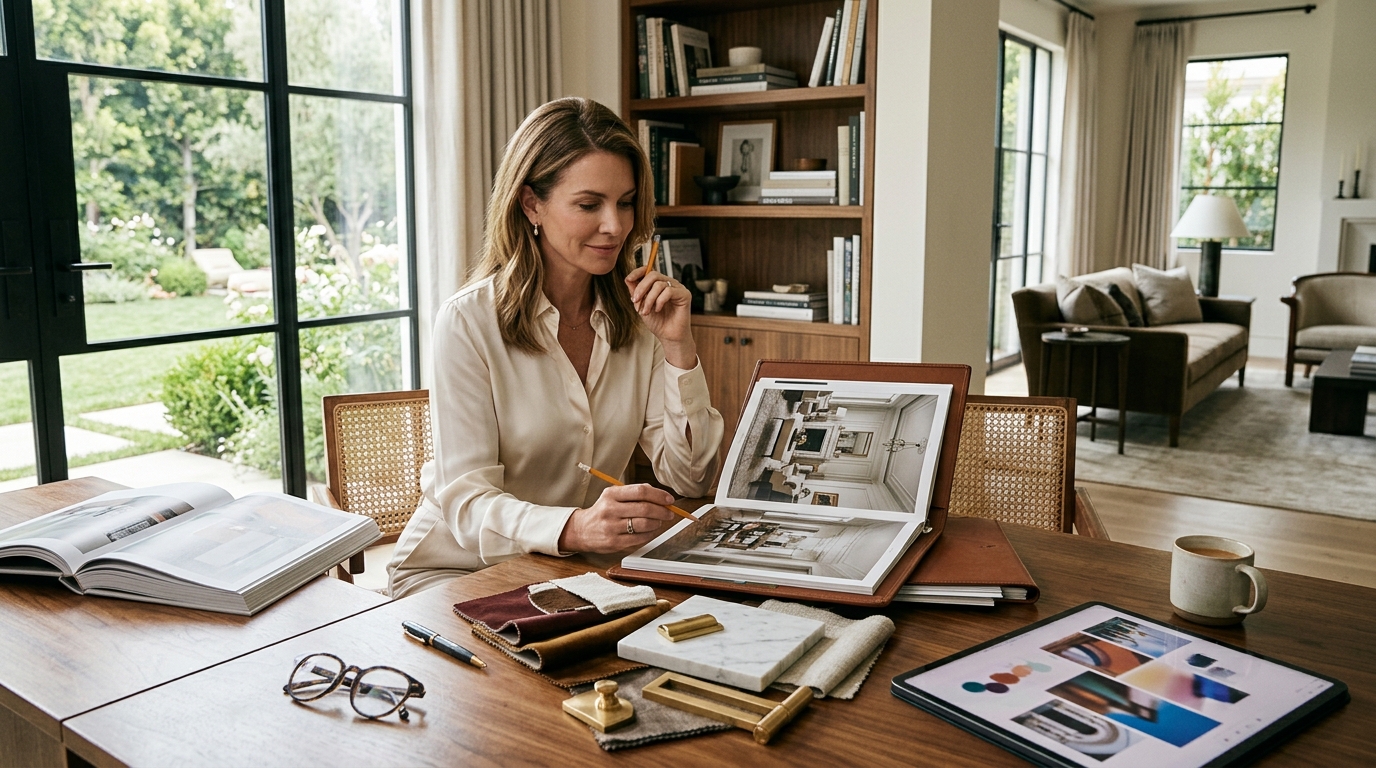
Before contacting any firm, clarify what you want your home to feel like. A design brief is a written document that captures your aesthetic preferences, functional requirements, and lifestyle needs. Gather inspiration images, note architectural styles you admire, and list non-negotiable features such as a chef's kitchen or a wellness-focused living environment.
Setting a Realistic Budget
High-end residential interiors typically range from $200 to $1,000+ per square foot for furnishings and finishes alone, according to data published by the American Society of Interior Designers (ASID). Establish your total investment ceiling early so designers can allocate resources wisely across rooms.
Lifestyle Priorities
Consider how you actually live in your home. Do you entertain frequently in your dining room? Do you need a home spa, private gym, or biohacking suite? These details steer designer selection toward firms with relevant specializations.
Evaluate Credentials and Track Record
A luxury interior designer is a licensed or credentialed professional who specializes in creating bespoke, high-value residential or hospitality environments. Look for membership in recognized organizations such as ASID or the International Interior Design Association (IIDA).
Years of Experience Matter
Longevity signals reliability. Firms with decades of operation, like Beverly Hills Luxury Interiors, founded in 1989, have weathered economic cycles and built deep vendor networks that newer studios simply cannot match. A long track record also means a proven ability to manage complex, multi-year builds.
International Reach
If your properties span multiple countries, choose a designer experienced in international luxury interior design. Cross-border projects require knowledge of local building codes, import logistics, and regional artisan partnerships.
Analyze the Portfolio in Depth
A portfolio is more than pretty pictures. Study the range of project types: estates, penthouses, yachts, and even palace-scale commissions. Diversity demonstrates adaptability, while consistency in quality signals a reliable design standard.
Pay attention to spatial composition, lighting design, and material pairings. Notice whether rooms in the portfolio look magazine-ready yet livable. Leading firms often showcase room-specific galleries, such as creative kitchen design or luxury bathroom collections, allowing you to evaluate expertise in the spaces that matter most to you.
Understand the Design Process
A structured design process is a phased workflow that moves from concept development through procurement to final installation. Ask every prospective designer to walk you through their phases. Most top firms follow a sequence similar to this:
- Discovery: Client interviews, site analysis, and design brief development.
- Concept Design: Mood boards, spatial layouts, and preliminary material selections.
- Design Development: Detailed drawings, custom furniture specifications, and vendor coordination.
- Procurement: Sourcing bespoke furnishings, art, and fixtures from vetted artisans worldwide.
- Installation and Styling: On-site placement, art hanging, and final styling for move-in day.
Transparency at each stage is critical. The best designers provide itemized budgets and regular progress updates so there are never surprises.
Assess Materials and Craftsmanship Standards
Materials define the tactile soul of a luxury home. Ask prospective designers about their sourcing philosophy. Do they specify Calacatta marble, hand-forged metalwork, or custom Ebony Macassar cabinetry? Firms committed to materials integrity vet every supplier for authenticity, durability, and ethical sourcing.
Bespoke craftsmanship is the practice of creating one-of-a-kind furnishings and finishes tailored to a specific client and space. It separates true luxury from mass-produced imitation. According to the Architectural Digest 2025 design trends report, demand for artisan-crafted interiors rose 30% year over year as affluent homeowners prioritize uniqueness over brand logos.
Comparing Hiring Options: Boutique Firm vs. Large Studio vs. Solo Designer
| Criteria | Boutique Firm (5-15 staff) | Large Studio (50+ staff) | Solo Designer |
|---|---|---|---|
| Personalization | High; principal often leads the project | Moderate; project assigned to a team | Very high; direct access at all times |
| Project Capacity | 2-6 active projects | 20+ simultaneous projects | 1-2 projects at a time |
| Global Logistics | Strong if internationally established | Excellent infrastructure | Limited without subcontractors |
| Budget Range | $500K - $10M+ | $1M - $50M+ | $100K - $2M |
| Timeline Flexibility | Moderate | Lower; structured timelines | High |
| Best For | Discerning clients wanting principal-led attention on large-scale homes | Mega-projects, hotels, and multi-property portfolios | Smaller residences or single-room projects |
For most high-net-worth homeowners, a boutique firm with international reach offers the ideal blend of personal attention and logistical capability. Firms such as Beverly Hills Luxury Interiors operate at this intersection, providing principal-led design across residences, hotels, yachts, and private jets worldwide.
Key Takeaways
- Write a detailed design brief before approaching any designer to ensure alignment from day one.
- Prioritize firms with 20+ years of experience and verifiable high-end residential portfolios.
- Verify professional credentials through organizations like ASID or IIDA.
- Demand a transparent, phased design process with itemized budgets at every stage.
- Evaluate materials sourcing standards; true luxury demands bespoke craftsmanship and ethical procurement.
- Choose a boutique firm for principal-led attention on complex, large-scale residences.
- Confirm international capability if you own properties in multiple countries.
Frequently Asked Questions
What should I look for in a luxury interior designer's portfolio?
Look for diversity of project scale, consistency in quality, and evidence of bespoke solutions. A strong portfolio includes residential estates, specialty rooms like custom kitchens, and ideally international commissions.
How much does a luxury interior designer cost?
Fees vary widely. Expect to invest $200 to $1,000+ per square foot for furnishings and finishes, plus design fees that typically range from 15% to 35% of the total project budget or a flat hourly rate between $250 and $500.
How long does a high-end interior design project take?
A full-home luxury project usually requires 12 to 36 months depending on scope, custom fabrication timelines, and permitting. Renovations of single rooms may take 3 to 6 months.
Can a luxury interior designer work on international projects?
Yes. Established firms regularly manage cross-border projects. Beverly Hills Luxury Interiors, for example, serves clients across the UAE, Saudi Arabia, Qatar, and Asia.
What is the difference between an interior designer and an interior decorator?
An interior designer handles spatial planning, architectural detailing, and construction coordination, while a decorator focuses primarily on surface aesthetics such as fabric, color, and furnishings. For high-end residences, you need a designer.
Do luxury designers handle furniture procurement?
Most full-service luxury firms manage the entire procurement process, from sourcing bespoke pieces to overseeing delivery and installation. This turnkey approach ensures quality control at every step.
How do I verify a designer's reputation?
Check industry recognitions and awards, read client testimonials, and request references from past projects of similar scope. Publications like Architectural Digest and Elle Decor regularly feature top-tier firms.
What questions should I ask during a design consultation?
Ask about the designer's process, timeline estimates, fee structure, materials sourcing philosophy, and how they handle budget overruns. Also inquire about who will be your day-to-day point of contact.
Start Your Design Journey
Finding the right luxury interior designer begins with a single conversation. If you are ready to create a residence that reflects your vision with uncompromising quality, contact Beverly Hills Luxury Interiors today for a private consultation. With over 35 years of experience designing iconic homes, palaces, and yachts worldwide, our team is ready to bring your vision to life.