
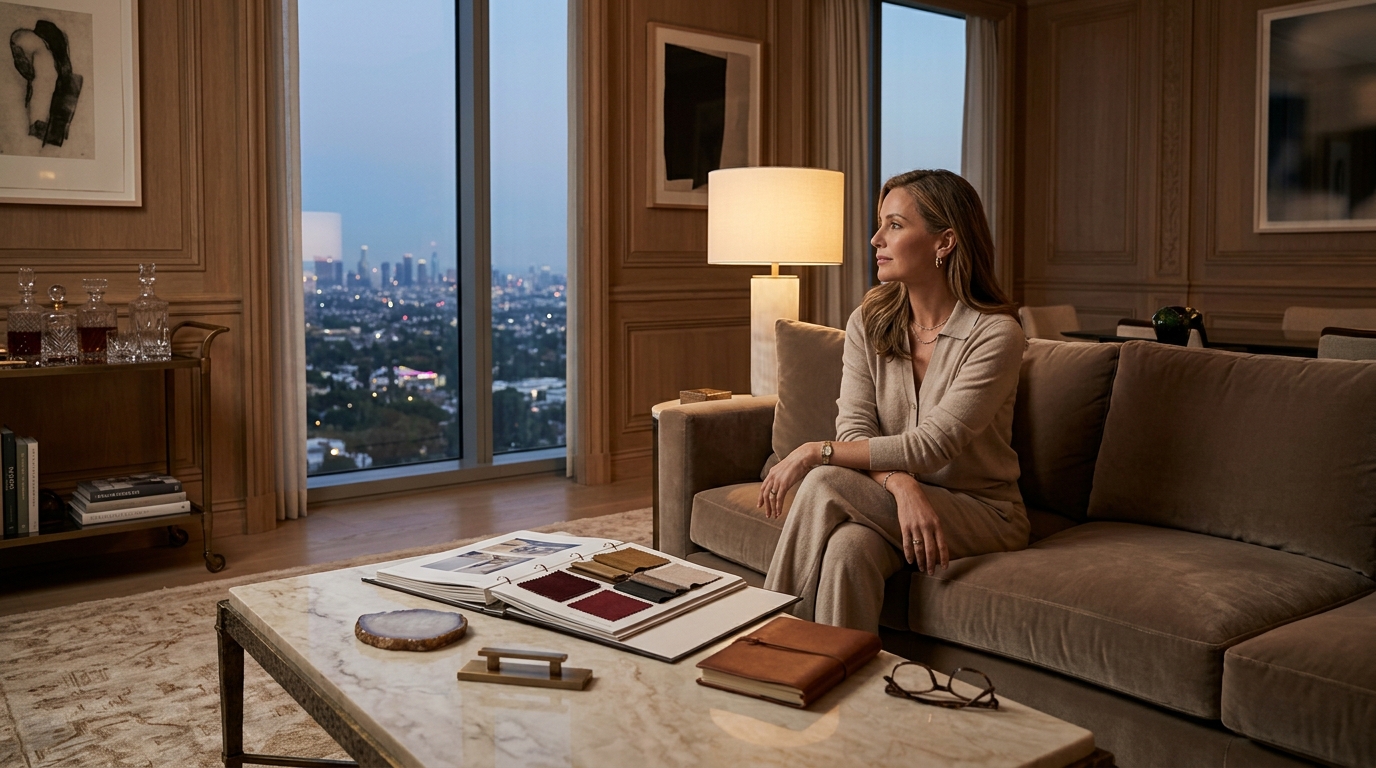
Hiring a top luxury interior designer is not comparable to purchasing a standard decorating package. For a private residence, palace, yacht, private jet, hotel, or major new construction, the investment may include interior architecture, custom millwork, rare materials, international procurement, specialist consultants, installation management, and years of coordination. In the highest tier of the market, comprehensive design fees commonly begin around $500,000, while complete project investments can reach several million dollars or more depending on the property, scope, location, and level of customization.
The most useful question is not simply, “What is the designer’s fee?” It is: What level of design leadership, access, craftsmanship, and execution does the fee provide? This guide explains how leading luxury interior designers structure their charges, what is usually included, how project budgets are allocated, and how to prepare for a private consultation with Beverly Hills Luxury Interiors. Request a Private Consultation.
The Short Answer: How Much Should You Expect to Invest?
For a substantial luxury residential commission, a leading firm may establish a minimum design fee of approximately $500,000. That figure generally represents professional design and project leadership rather than the entire cost of construction, furnishings, art, shipping, taxes, specialist fabrication, or installation.
A small, highly curated commission may fall below that threshold, while a full residence, new-build estate, palace, yacht, private aircraft, or hospitality project can require design fees of $1 million to $10 million or more. The final number depends on square footage, architectural complexity, geographic location, number of rooms, technical systems, quality of materials, number of custom pieces, schedule, and whether the designer is responsible for procurement and installation.
Practical rule of thumb: treat the design fee and the project implementation budget as separate but connected parts of the investment. A designer’s fee pays for expertise and execution; the project budget pays for the physical transformation.
What You Are Actually Buying When You Hire a Top Designer
A premier luxury interior designer is not simply selecting sofas, paint colors, and decorative accessories. The engagement may involve a complete visual and functional strategy for the property, developed through concept design, interior architecture, technical documentation, sourcing, fabrication, procurement, installation, and final styling.
At Beverly Hills Luxury Interiors, the design approach is rooted in classical proportion, architectural precision, refined materials, bespoke craftsmanship, and the enduring glamour associated with Beverly Hills and Hollywood. Learn more about the firm and its design leadership.
Creative direction and conceptual development
The process often begins with a design narrative that defines the atmosphere, proportions, materials, color language, furnishings, lighting, and relationship between rooms. This may include precedent imagery, hand sketches, material studies, finish palettes, digital renderings, and presentation documents.
Interior architecture
In a full-service project, the designer may influence room proportions, circulation, ceiling treatments, doors, moldings, fireplaces, cabinetry, lighting integration, flooring patterns, and the relationship between interior and exterior spaces. This architectural layer is one reason ultra-luxury design differs from conventional decoration.
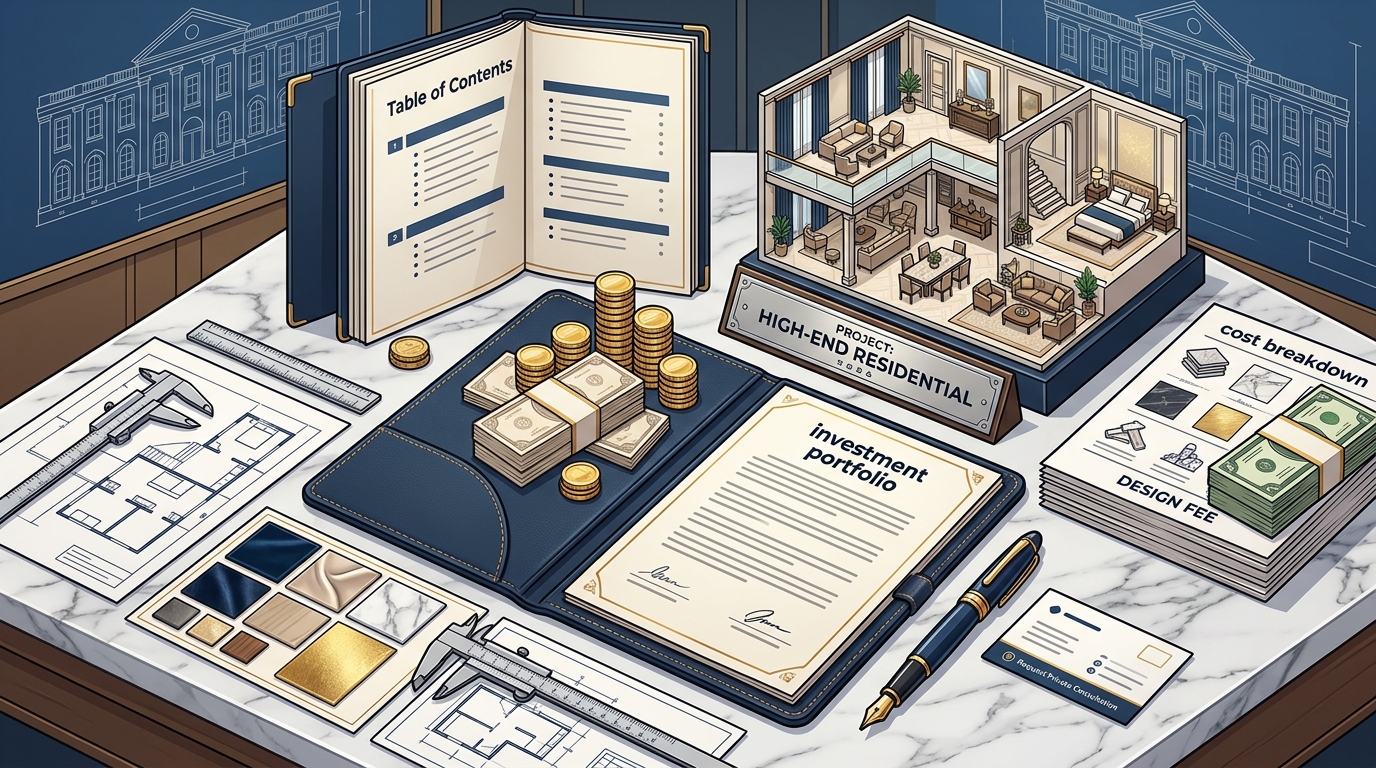
Access to bespoke resources
Top firms work through specialized networks of ateliers, stone suppliers, cabinetmakers, metalworkers, textile houses, lighting manufacturers, artists, and antique dealers. The value is not only access to expensive products; it is the ability to identify, adapt, commission, inspect, and install items that are appropriate for a particular property.
Project leadership
Large commissions require continuous coordination among architects, contractors, engineers, landscape designers, fabricators, art advisors, technology specialists, consultants, shipping companies, and installation teams. A high-level design firm protects the original concept as decisions are made across many disciplines.
Judgment and risk reduction
Luxury materials and custom fabrication can involve long lead times and significant financial exposure. Experienced oversight helps reduce mismatched finishes, incorrect dimensions, unsuitable materials, procurement delays, and costly changes made late in the process.
How Top Luxury Interior Designers Charge
There is no single universal fee model for luxury interior design. A firm may use one structure for design services and another for purchasing, fabrication, or construction administration. The engagement letter should clearly state what is included, what is billed separately, how changes are handled, and when payments are due.
1. Fixed or established design fee
A fixed fee is agreed upon for a defined scope of services. It may cover concept development, design documentation, presentations, revisions, project meetings, procurement administration, and installation oversight. For major commissions, a fixed fee can begin at approximately $500,000 and increase with the complexity and duration of the assignment.
This arrangement gives the client a clearer view of professional-service costs, provided the scope is sufficiently detailed. It should also explain how additional services, expanded square footage, schedule extensions, or significant client-requested changes will be priced.
2. Cost-plus procurement model
Under a cost-plus arrangement, the client pays the underlying cost of furnishings, finishes, materials, labor, shipping, or fabrication plus an agreed management percentage or procurement charge. This model is particularly relevant when the project includes extensive custom work or a large volume of trade-sourced products.
The contract should identify whether the percentage applies to furniture, art, accessories, shipping, installation, construction-related purchases, or all procured goods. Transparency is essential because the total project cost may be much larger than the professional design fee.
3. Percentage-based fees
Some designers calculate fees as a percentage of construction, furnishings, or total project cost. The percentage can vary according to the scope and the responsibilities assigned to the designer. Clients should ask whether the percentage is calculated on pre-tax costs, construction costs, procurement costs, or the complete project budget.
4. Hourly consulting
Hourly consulting may be appropriate for a limited advisory assignment, a single-room review, material guidance, wellness planning, landscape integration, or an evaluation of an existing design. It is less common as the primary structure for a large, fully integrated luxury commission because a comprehensive project benefits from continuous creative and operational direction.
5. Hybrid arrangements
A hybrid agreement may combine a fixed design fee with cost-plus procurement, hourly charges for out-of-scope work, or a separate construction-administration fee. This structure can be practical when the client wants predictable design costs while allowing flexibility for custom purchasing and evolving project requirements.
Illustrative Luxury Design Fee Ranges by Project Scope
The following ranges are planning guidelines rather than formal quotations. A private consultation is required to determine the appropriate fee for a specific property, location, timeline, and scope.
| Project type | Typical scope | Illustrative design fee range | Potential deliverables |
|---|---|---|---|
| Single-room luxury redesign | One principal room or suite with carefully selected furnishings, textiles, lighting, and accessories | $50,000–$150,000 | Concept direction, finish selections, furniture sourcing, custom elements, and installation oversight |
| Full residential interior | Comprehensive design of an existing primary residence, potentially including interior architecture and landscape coordination | $500,000–$2 million or more | Design narrative, architectural plans, custom millwork, material sourcing, furniture, lighting, art coordination, procurement, and installation |
| New construction or major renovation | Design involvement from early planning through completion of the structure and interiors | $1 million–$10 million or more | Full-spectrum interior architecture, consultant coordination, wellness integration, technical documentation, custom fabrication, and global logistics |
| Palace, yacht, or private jet | Highly specialized environments requiring bespoke detailing, technical integration, and rigorous weight, safety, or durability considerations | Project-specific; often comparable to or above large residential commissions | Custom spatial planning, materials engineering, furniture design, fabrication coordination, and highly controlled installation |
| Hotel or hospitality project | Guest rooms, suites, public spaces, VIP areas, restaurants, lounges, or executive facilities | $500,000–$5 million or more | Brand alignment, public-space curation, durability specifications, guest experience planning, procurement, and installation management |
These numbers should not be interpreted as a complete project budget. For example, a $750,000 design fee does not necessarily include the cost of construction, stone, cabinetry, furniture, artwork, technology, freight, storage, taxes, or labor. A responsible budget separates professional fees from implementation costs at the beginning of the engagement.
Expenses That May Sit Outside the Design Fee
Luxury projects often involve several cost categories beyond the designer’s professional services. Clarifying these categories early prevents budget surprises and makes it easier to compare proposals from different firms.
- Construction and remodeling: demolition, structural work, plumbing, electrical systems, HVAC, waterproofing, roofing, and specialty construction.
- Architectural and engineering services: building design, structural engineering, mechanical systems, permitting, code compliance, and local consultants.
- Custom millwork and joinery: libraries, wall paneling, kitchens, dressing rooms, bars, doors, cabinetry, and architectural woodwork.
- Stone and specialty surfaces: rare marble, onyx, granite, quartzite, limestone, mosaics, hand-finishing, and book-matching.
- Furniture and lighting: bespoke seating, case goods, decorative lighting, architectural fixtures, custom rugs, and window treatments.
- Art and objects: paintings, sculpture, antiques, collectibles, decorative arts, and installation requirements.
- Technology and wellness: home automation, theaters, security, acoustic systems, wellness rooms, spa equipment, air-quality systems, and integrated lighting controls.
- Freight and logistics: international shipping, customs, crating, warehousing, insurance, white-glove delivery, and installation labor.
- Travel and site expenses: site visits, factory inspections, artisan meetings, and international coordination.
- Contingency: a reserve for unforeseen site conditions, material substitutions, schedule changes, or approved design development.
Whether these items are paid directly by the client, managed through the design firm, or incorporated into a cost-plus structure depends on the contract. Ask for a written responsibility matrix before signing.
What Changes When the Project Is International?
International projects introduce additional layers of coordination. A luxury firm may need to work across time zones, legal jurisdictions, languages, building standards, customs procedures, labor markets, and cultural expectations. The project may also require relationships with local architects, contractors, consultants, government agencies, shipping specialists, and installation teams.
Beverly Hills Luxury Interiors presents itself as an international and national design firm serving private clients across the globe, with experience extending to high-end residences, five- to seven-star hotels, palaces, yachts, and private jets. Its stated international reach includes markets such as Beverly Hills, New York, London, Dubai, Riyadh, and Doha. Clients should confirm current project availability, local representation, and contracting arrangements during the consultation.
International expertise can add value by creating consistency across locations. A client may want a Beverly Hills residence, a New York apartment, a Gulf property, and a yacht to feel related without looking identical. A central design vision and disciplined specification process can help maintain that continuity.
For examples of the firm’s luxury design perspective, visit Beverly Hills Luxury Interiors or explore the firm’s luxury interior design journal.
How to Prepare a Realistic Budget Before Hiring a Designer
- Define the property and scope. Identify the address or region, approximate square footage, number of rooms, construction status, and whether exterior, landscape, wellness, technology, or staff areas are included.
- Separate fees from physical investment. Request distinct estimates for design services, construction, furnishings, art, technology, shipping, installation, taxes, and contingency.
- Prioritize the rooms that matter most. A principal suite, salon, library, dining room, entertainment level, or private office may require a different level of customization than secondary spaces.
- Decide how involved you want to be. Some clients want to approve every stone and textile. Others prefer a trusted firm to manage the process. The required communication model affects the project structure.
- Ask how procurement is handled. Clarify purchasing authority, trade pricing, markups, receiving, storage, inspection, damage claims, returns, and installation.
- Confirm the timeline. A rushed project may require air freight, expedited fabrication, alternative materials, additional site teams, or premium production charges.
- Review the contract carefully. Look for the scope of services, payment schedule, intellectual-property provisions, confidentiality, insurance, termination terms, change orders, and treatment of unused allowances.
- Reserve contingency. Older properties, complex renovations, remote destinations, and highly customized fabrication all benefit from a financial reserve.
The strongest client-designer relationship begins with clarity. A credible firm should be able to explain not only the proposed fee, but also the decisions and responsibilities that make the fee appropriate for the project.
Key Takeaways
- Major luxury commissions: A top-tier design fee may begin at approximately $500,000 for comprehensive residential or hospitality work.
- Total project budgets are higher: Construction, furnishings, materials, art, technology, logistics, taxes, and installation are often separate from the professional design fee.
- Scope determines price: A single-room redesign is financially different from a full residence, new construction, palace, yacht, private jet, or hotel.
- Pricing is flexible: Fixed fees, cost-plus procurement, percentage-based fees, hourly consulting, and hybrid structures are all possible.
- Custom craftsmanship drives investment: Bespoke millwork, rare stone, hand-finished surfaces, and one-of-a-kind furnishings require time, specialist labor, and close supervision.
- International execution adds complexity: Cross-border projects may involve local regulations, customs, freight, cultural considerations, and multiple specialist teams.
- Experience creates value: The client is paying for design intelligence, resource access, project leadership, risk management, and a coherent result—not just product selection.
- The proposal should be specific: Before engaging a firm, request a written scope, fee structure, schedule, procurement policy, and explanation of additional costs.
Frequently Asked Questions
What is the minimum budget to hire a top luxury interior designer?
For a comprehensive luxury residential or hospitality project, a leading firm may establish a minimum design fee of approximately $500,000. The required investment depends on the property, location, size, duration, level of customization, and services included. Smaller advisory or single-room assignments may have different minimums.
Does a $500,000 design fee include furniture and construction?
Usually, no. The design fee generally covers professional services such as creative direction, design development, documentation, sourcing, coordination, procurement administration, and installation oversight. Construction, furniture, materials, labor, art, shipping, taxes, and technology should be identified separately unless the contract expressly combines them.
Which luxury interior design pricing model is best?
There is no universally best model. A fixed fee can make professional-service costs easier to understand. Cost-plus may be useful for extensive custom procurement. Hourly consulting can suit a limited advisory assignment. A hybrid agreement may offer the most practical balance for a complex private residence.
How does a designer’s gemological background influence an interior project?
Training in gemology can inform sensitivity to color, clarity, rarity, reflectivity, and material quality, particularly when selecting stone, crystal, metal, glass, or other highly expressive finishes. GIA’s programs include structured study of diamonds and colored gemstones, including identification, grading, and hands-on laboratory work. ([gia.edu](https://www.gia.edu/gem-education/programs-courses?utm_source=openai))
Are there costs beyond the designer’s professional fee?
Yes. Common additional costs include construction, architectural and engineering services, millwork, stone, furniture, lighting, artwork, technology, wellness systems, freight, storage, insurance, installation, travel, taxes, and contingency. The engagement agreement should explain which costs are paid directly and which are managed by the design firm.
Can a Beverly Hills luxury interior designer manage an international project?
Yes, an internationally experienced firm may coordinate projects across multiple countries, but the exact services should be confirmed during the consultation. Ask about local partners, permitting responsibility, site supervision, shipping, customs, insurance, time-zone coverage, and how the firm maintains quality control outside its home market.
How long does a luxury interior design project take?
A single-room redesign may take approximately six to eight weeks in a straightforward situation. A full residence, major renovation, new construction, palace, yacht, private jet, or hospitality project can take several years from initial concept through fabrication and installation. The schedule depends on approvals, construction, custom production, shipping, and site readiness.
What distinguishes ultra-luxury design from ordinary high-end residential design?
Ultra-luxury design generally involves a higher degree of customization, deeper architectural integration, rarer materials, broader international sourcing, more intensive project management, and a greater level of principal-level attention. It may also include wellness planning, complex technology, art programs, custom fabrication, and highly controlled installation.
Is an initial consultation fee refundable?
Preliminary conversations may be complimentary when the purpose is to understand the client’s goals and determine whether the project is a fit. Once paid design work begins, fees for concept development, planning, documentation, or research are generally earned according to the engagement terms. Confirm the consultation and cancellation policy before proceeding.
Begin With a Private Consultation
The right luxury interior designer should be able to translate an ambitious vision into a clear process, realistic investment framework, and highly personal design direction. Whether you are planning a new residence in Beverly Hills, renovating an apartment in New York, developing a palace or hotel in the Gulf, or commissioning a yacht or private jet interior, the first step is a confidential conversation about scope, aspirations, timeline, and level of service.
Beverly Hills Luxury Interiors creates bespoke residential and hospitality environments for private clients nationally and internationally, combining Hollywood elegance with classical proportion, refined materials, architectural precision, and bespoke craftsmanship. To discuss your project, request a private consultation.