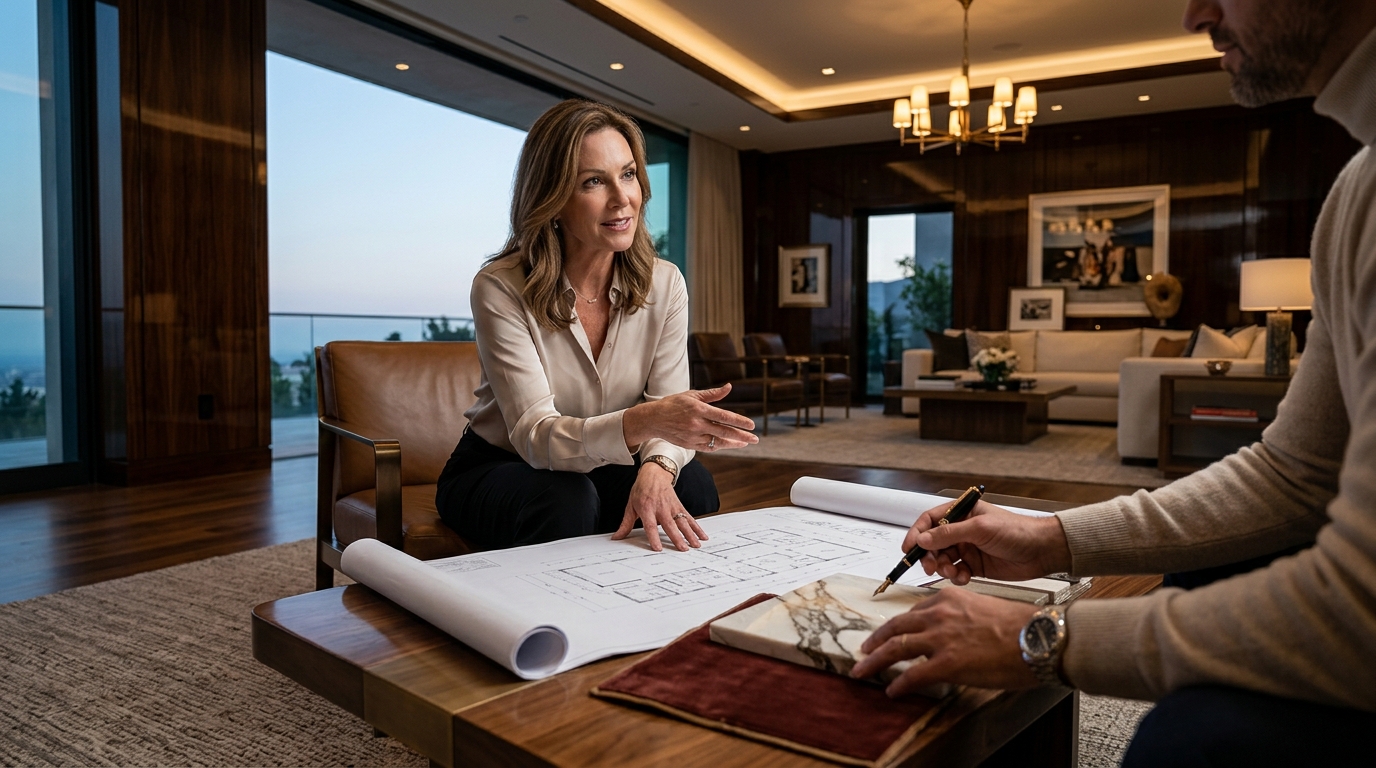
Ultra-luxury interiors are created by more than a decorator choosing beautiful fabrics. The most demanding residences, hotels, palaces, yachts, and private aircraft require a lead interior designer or design principal who can unite architecture, art, engineering, procurement, construction, hospitality operations, and highly personal client expectations into one coherent vision.
For a private residence, that may mean designing a complete environment around family life, privacy, entertaining, wellness, and legacy. For a hotel or resort, it may mean translating a brand promise into guest rooms, suites, restaurants, spas, public areas, and back-of-house systems. For a yacht or aircraft, the designer must also work within strict limitations involving weight, safety, vibration, circulation, and specialized fabrication.
The central question is therefore not simply, “Who has attractive photographs?” It is, “Who has the experience, team, discretion, technical capability, and international infrastructure to deliver an exceptional environment from concept through installation?” To discuss a private commission, request a private consultation.
Who leads an ultra-luxury interior project?
The project is usually led by an established luxury interior design firm, a design principal, or an interior architect with responsibility for the creative direction and coordination of the wider project team. In the most private commissions, the principal may remain directly involved in client meetings, design decisions, sourcing, approvals, and final installation.
At Beverly Hills Luxury Interiors, the practice is led by Kenneth Bordewick, whose published professional profile describes more than three decades of work across homes, hotels, yachts, and private aircraft for clients in the Americas, Europe, and the Gulf. The firm presents its capabilities as spanning ultra-luxury residential interiors, full-scale architecture, landscape design, hospitality and resort design, and wellness environments. ([beverlyhillsluxuryinteriors.com](https://www.beverlyhillsluxuryinteriors.com/?utm_source=openai))
This type of leadership is valuable because ultra-luxury design is an exercise in judgment. The principal must decide where restraint is more powerful than ornament, when a historic reference should be preserved, how materials will age, and which details deserve custom fabrication rather than a standard specification.
The specialist team behind the finished interior
Even when a client hires one design firm, the finished environment is normally produced by a coordinated group of specialists. Depending on scope, the team can include:
- Design principal: Establishes the vision, approves major creative decisions, and serves as the senior client relationship.
- Interior designers and interior architects: Develop layouts, elevations, material palettes, lighting concepts, furniture plans, and detailed documentation.
- Architects and architectural consultants: Coordinate structure, building systems, planning requirements, historic conditions, and exterior-to-interior relationships.
- Art and antiques specialists: Source works of art, important furniture, objects, carpets, and collections that give the interior cultural depth.
- Lighting designers: Shape atmosphere, highlight art and architecture, and integrate architectural, decorative, landscape, and exterior lighting.
- Kitchen, bath, and wellness consultants: Address highly technical spaces such as professional kitchens, hammams, spas, saunas, screening rooms, and recovery suites.
- Marine or aviation specialists: Adapt luxury design to vessel and aircraft regulations, technical systems, weight constraints, and vibration requirements.
- Custom manufacturers and artisans: Produce millwork, metalwork, stonework, glass, leather, upholstery, cabinetry, and one-of-a-kind furniture.
- Procurement and logistics managers: Track long-lead items, inspections, shipping, customs, storage, insurance, and installation sequencing.
- Construction and quality-control teams: Verify that the built result matches the approved design intent and required level of finish.
In luxury hospitality, the design function also interacts with owners, developers, operators, brand representatives, engineers, consultants, contractors, and opening teams. Industry roles for luxury hotel design commonly extend from development support and design reviews to quality control, owner relations, construction observation, opening support, and future renovation management. ([careers.marriott.com](https://careers.marriott.com/director-interior-design-luxury/job/536307C685ED0DA3A0EF50B96E1D71DC?utm_source=openai))
Credentials that matter at the highest level
There is no single universal license that defines an ultra-luxury interior designer. The strongest evidence is usually a combination of education, completed work, technical competence, professional references, and the ability to manage discretion and complexity.
Design and architectural training
Formal training in interior design, interior architecture, architecture, furniture design, or the decorative arts can provide a foundation in proportion, drawing, materials, lighting, ergonomics, construction documentation, and spatial planning. For heritage properties, knowledge of period architecture and conservation is equally important.
Material intelligence
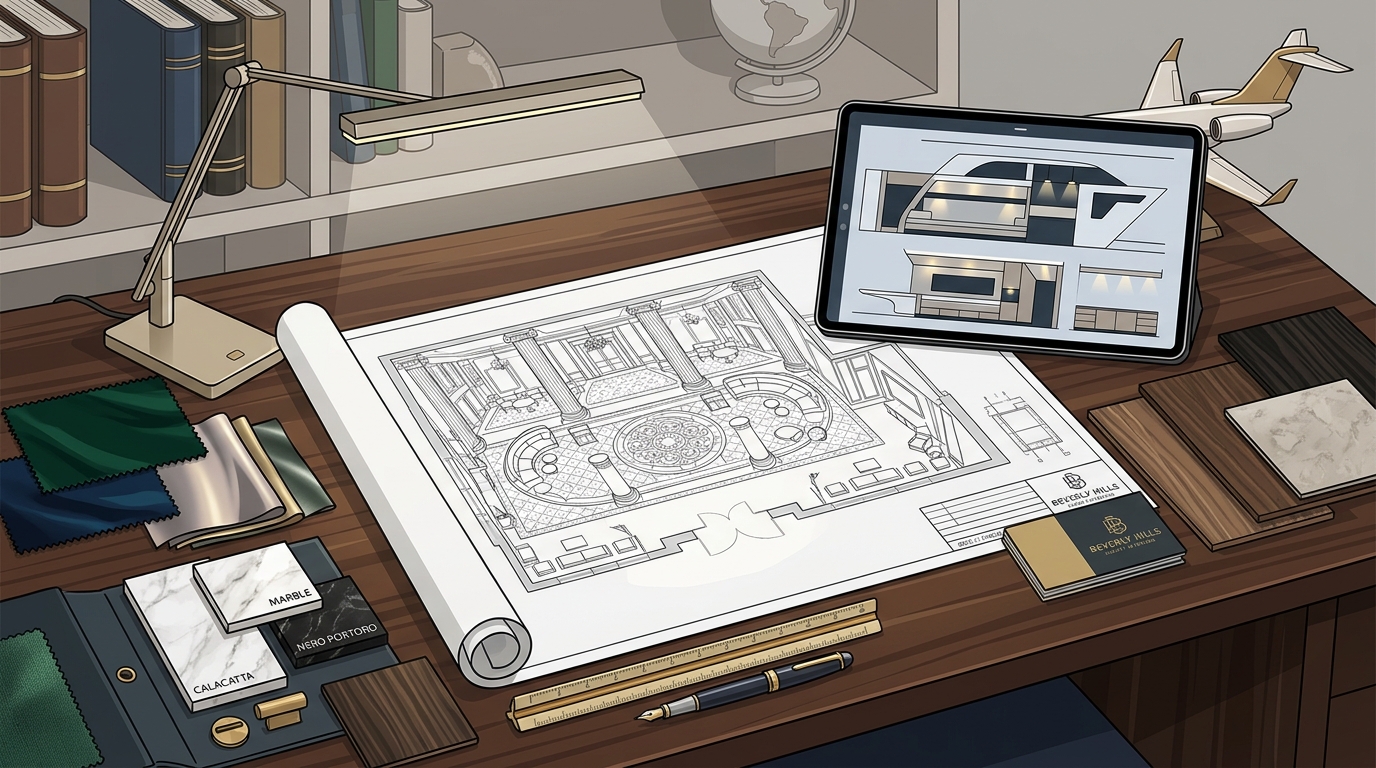
High-value interiors often use rare stones, veneers, marquetry, hand-finished metals, specialty leathers, precious textiles, and commissioned artwork. The designer must understand not only appearance but also provenance, durability, maintenance, installation tolerances, light sensitivity, and how materials interact with one another.
Gemology and stone knowledge
Some designers bring specialist knowledge of gemstones and valuable materials to their work. The Gemological Institute of America describes gemology as a science supported by research, education, identification, and quality standards; its programs include hands-on study of diamonds and colored stones. ([gia.edu](https://www.gia.edu/gia-about?lang=en&utm_source=openai)) This background can be especially relevant when evaluating unusual stone, crystal, gemstone, or jewelry-inspired details, although gemological training should complement—not replace—architectural and construction expertise.
Confidentiality and client service
Royal households, celebrities, heads of state, entrepreneurs, and private families may require strict confidentiality. A qualified luxury firm should be comfortable with nondisclosure agreements, controlled access to drawings, private procurement, secure communication, and limited photography. Discretion is not a marketing phrase; it is an operational discipline.
Evidence of delivery
A polished portfolio demonstrates taste, but a serious client should also ask who managed procurement, who supervised installation, which consultants were involved, and how challenges were resolved. A complete portfolio of completed interiors should be considered together with references and a clear explanation of the firm’s role.
Who designs private ultra-luxury residences?
Private residences are typically designed by a residential luxury interior design firm working closely with the owner, family office, architect, estate manager, and construction team. The design may cover a single suite or an entire compound, including guest houses, staff areas, garages, wine rooms, libraries, cinemas, gyms, spas, pools, gardens, and entertaining spaces.
The best residential designers begin with the client’s patterns of living rather than a predetermined style. They investigate how the family arrives home, entertains, travels, works, sleeps, exercises, stores possessions, receives guests, and protects personal privacy. The resulting design may reference Hollywood Regency, English classicism, Art Deco, Mediterranean architecture, contemporary minimalism, or several traditions at once.
Ultra-luxury residential work is often distinguished by details that are felt rather than announced: precisely aligned stone joints, quiet doors, comfortable proportions, concealed technology, individually commissioned furniture, controlled sightlines, and lighting that changes with the time of day. This is the practical meaning of quiet luxury—a focus on material quality, craftsmanship, comfort, and longevity rather than visible branding.
Who designs interiors for hotels, resorts, palaces, and commercial projects?
Commercial ultra-luxury interiors are generally delivered by hospitality design studios, multidisciplinary interior architecture firms, or luxury residential firms with the capacity to work at a larger operational scale. The design must express a compelling identity while remaining safe, durable, maintainable, accessible, and commercially effective.
Hotel and resort projects may include arrival sequences, lobbies, corridors, guestrooms, suites, restaurants, bars, ballrooms, spas, retail areas, pool environments, executive lounges, and service zones. Every area must support the guest experience and the operational requirements of the owner and hotel operator.
Palaces and historically significant buildings introduce another layer of responsibility. The designer may need to preserve architectural character, respect culturally important references, coordinate conservation specialists, and introduce contemporary amenities without making the property feel generic. Examples of projects associated with Beverly Hills Luxury Interiors include references to The Savoy in London, George V in Paris, Ritz-Carlton Riyadh, the Plaza Hotel in New York, Bauer il Palazzo in Venice, and Waldorf Doha. These project descriptions are presented by the firm as part of its published portfolio. ([beverlyhillsluxuryinteriors.com](https://www.beverlyhillsluxuryinteriors.com/?utm_source=openai))
| Project type | Primary design priorities | Typical specialist concerns |
|---|---|---|
| Private residence | Privacy, comfort, identity, wellness, family life, and legacy | Custom millwork, art placement, concealed technology, personal collections, and long-term maintenance |
| Luxury hotel or resort | Brand expression, guest journey, durability, revenue-generating spaces, and operational flow | Operator standards, life safety, accessibility, housekeeping, back-of-house circulation, and opening support |
| Palace or heritage property | Historical continuity, cultural respect, ceremony, and modern comfort | Conservation, specialist trades, archival research, approvals, and sensitive restoration |
| Yacht | Atmosphere, comfort, entertaining, and efficient use of limited space | Weight, marine materials, vibration, moisture, fire safety, and custom fabrication |
| Private aircraft | Personalized luxury, quietness, functionality, and seamless travel | Weight distribution, aviation regulations, seat and galley integration, lighting, and specialized installation |
Why yachts and private jets require different design expertise
Designing a yacht or private aircraft is not simply a smaller version of designing a mansion. The designer must work within an engineered environment where every material, fitting, surface, and furnishing can affect safety, weight, maintenance, and performance.
On a yacht, salt air, humidity, movement, and limited storage influence the specification. Upholstery, timber finishes, hardware, flooring, and exterior furnishings must be selected for marine conditions. On a private aircraft, the team must consider aviation certification, aisle clearances, seat functions, galleys, lavatories, cabin lighting, noise, vibration, and weight distribution.
The ideal designer collaborates early with naval architects, aircraft completion specialists, engineers, captains, pilots, manufacturers, and regulatory consultants. The visual concept remains important, but it must be translated into components that can survive the environment and operate reliably.
How an ultra-luxury commission is delivered
A successful project is usually divided into controlled phases. The precise names vary by firm, but the logic remains consistent.
- Private discovery: The designer learns the client’s objectives, lifestyle, schedule, aesthetic references, privacy requirements, budget framework, and decision-making structure.
- Site and asset assessment: The team reviews the architecture, existing conditions, views, daylight, circulation, engineering constraints, historic significance, and opportunities for improvement.
- Concept direction: The firm develops a narrative, spatial strategy, palette, precedent references, and initial mood boards. The purpose is to establish a point of view before detailed procurement begins.
- Design development: Plans, elevations, reflected ceiling plans, lighting concepts, furniture layouts, material samples, custom details, and technology coordination are refined.
- Cost and scope alignment: The client receives a clearer understanding of design fees, purchasing, fabrication, construction, art, shipping, installation, and contingency allowances.
- Custom fabrication and procurement: Artisans and manufacturers produce approved pieces while the procurement team tracks lead times, inspections, changes, and documentation.
- Construction observation: The design team reviews progress, answers questions, protects design intent, and coordinates with the contractor and consultants.
- Installation and styling: Furniture, art, accessories, textiles, lighting, and objects are delivered, placed, adjusted, and documented.
- Completion and aftercare: The team addresses defects, provides care information, records warranties, and may continue with seasonal refreshes, additions, or future properties.
For projects at this level, the schedule can range from several weeks for a focused room or suite to multiple years for a new-build estate, hotel, palace, yacht, or aircraft. Lead times for stone, custom furniture, hand-painted finishes, architectural metalwork, and specialty textiles can materially affect the program.
Design fees also vary substantially by scope, geography, procurement responsibility, and complexity. A published starting point for the firm’s larger commissions is $500,000 in design fees; prospective clients should confirm current minimums, inclusions, and project-specific pricing directly through the private consultation process.
How to choose the right ultra-luxury design firm
When comparing firms, evaluate capability rather than celebrity alone. The following questions help distinguish a design studio suited to an ultra-luxury commission:
- Has the firm completed projects with comparable scale, complexity, geography, and privacy requirements?
- Will the principal remain personally involved, or will the work be delegated entirely to a junior team?
- Can the firm coordinate architecture, interiors, landscape, lighting, art, wellness, technology, and procurement?
- Does the firm have established international relationships with artisans, manufacturers, contractors, shipping providers, and local consultants?
- How does the firm document design decisions, approvals, substitutions, costs, and change orders?
- What quality-control procedures are used for prototypes, shop drawings, stone slabs, veneers, upholstery, and final installation?
- How are confidentiality, photography, press, staff access, and project information managed?
- Can the firm explain the difference between design fees, purchasing costs, construction costs, and reimbursable expenses?
- Will the completed spaces be practical to operate, clean, repair, secure, and maintain?
A strong fit is usually a firm whose aesthetic sensibility aligns with the client’s ambitions but whose process is rigorous enough to protect the investment. The goal is not to reproduce a showroom. It is to create an environment that feels inevitable for its architecture, location, owners, and intended use.
Key takeaways
- Ultra-luxury interiors are led by experienced design principals, interior architects, or multidisciplinary luxury firms.
- The finished project depends on a larger team that may include architects, lighting designers, art advisers, engineers, artisans, procurement managers, contractors, and specialist marine or aviation consultants.
- Relevant qualifications include design or architectural training, advanced material knowledge, project-management experience, and a demonstrable record of completed work.
- Gemological education can add valuable material insight when a project includes rare stone, crystal, gemstone, or jewelry-inspired details; GIA offers formal gemology programs and hands-on laboratory education. ([gia.edu](https://www.gia.edu/gem-education/programs-courses?utm_source=openai))
- Residential design prioritizes privacy, comfort, wellness, and personal legacy, while commercial design must also address brand identity, durability, guest experience, and operations.
- Yachts and private aircraft require specialized coordination because weight, vibration, moisture, safety, certification, and engineering constraints affect design decisions.
- International projects benefit from local relationships, reliable logistics, consistent quality control, and a clear chain of responsibility.
- Published design fees for major ultra-luxury commissions may begin at $500,000, but every proposal should be customized and confirmed directly with the firm.
- The most important selection criteria are trust, discretion, relevant experience, communication, technical competence, and the ability to deliver—not simply a recognizable name.
Frequently asked questions
Who designs interiors for ultra-luxury properties?
Ultra-luxury properties are designed by specialized interior design firms, interior architects, and design principals with experience in high-value residential, hospitality, heritage, marine, or aviation projects. The lead designer typically coordinates a wider team of architects, consultants, artisans, procurement professionals, and contractors.
What is the difference between a luxury interior designer and an ultra-luxury interior designer?
The difference is usually the level of customization, service, technical coordination, discretion, and project complexity. Ultra-luxury work may involve rare materials, extensive custom fabrication, multiple properties, international logistics, heritage preservation, or highly specialized environments such as yachts and private aircraft.
Can one firm design both private homes and commercial hotels?
Yes. Some firms work across residential and commercial sectors, but the team must understand the different requirements. A private home is shaped around the owner’s lifestyle and privacy, while a hotel must also support brand standards, guest circulation, maintenance, safety, accessibility, and operational efficiency.
What qualifications should an ultra-luxury designer have?
Look for relevant design or architectural training, a substantial portfolio of completed work, strong material and construction knowledge, experienced project management, international coordination capability, and references from clients or professional partners. Specialist education in areas such as gemology, heritage, lighting, marine design, or aviation can be valuable when relevant to the commission.
How much do ultra-luxury interior design projects cost?
Costs depend on the property, location, scope, level of customization, procurement responsibility, and construction conditions. For the firm represented by this article, published information identifies $500,000 as a starting point for design fees on larger commissions. Prospective clients should request a current, project-specific proposal because design fees are separate from construction, furnishings, art, shipping, taxes, and installation.
How long does a high-end interior design project take?
A focused room or suite may take several weeks, while a complete residence, hotel, palace, yacht, or private aircraft can require several years. The timeline is influenced by approvals, architectural work, permitting, construction, custom fabrication, shipping, and installation.
What does quiet luxury mean in interior design?
Quiet luxury is an approach that emphasizes proportion, craftsmanship, comfort, material quality, and longevity rather than conspicuous logos or short-lived trends. In practice, it may appear as bespoke joinery, exceptional stone, refined lighting, tailored upholstery, and technology integrated so discreetly that the room remains calm.
How does a global design firm maintain quality across countries?
International quality depends on a clear design standard, detailed documentation, reliable local consultants and contractors, inspection procedures, controlled procurement, experienced logistics partners, and senior oversight. A firm with a global practice should be able to explain how decisions are communicated and how installation quality is verified at each location.
Begin a private design conversation
The right designer for an ultra-luxury property is a strategic partner who can translate a client’s identity into architecture, materials, furniture, light, art, technology, and experience. Beverly Hills Luxury Interiors presents a global practice rooted in Beverly Hills elegance, classical proportion, bespoke craftsmanship, and discreet service for private residences and commercial environments.
To discuss a residence, hotel, palace, yacht, private aircraft, or other complex commission, request a private consultation.