
Who Designs Interiors for Ultra-Luxury Properties and Commercial Projects?
The landscape of high-end interior design is defined by exclusivity, precision, and an uncompromising standard of quality. According to recent industry analyses, the ultra-luxury real estate market has seen a significant growth in demand for bespoke environments that transcend traditional aesthetics. This shift has elevated the role of the interior designer from a decorative consultant to a strategic partner in asset valuation and lifestyle curation. For clients seeking to define their living or working spaces, understanding who holds the authority to execute these visions is critical. (Request a Private Consultation)
Defining Ultra-Luxury Interior Design
Ultra-luxury interior design is not merely about expensive materials. It is a holistic approach to creating environments that reflect the unique identity of the client while ensuring functional perfection. Ultra-luxury design is the practice of creating bespoke, high-value environments that integrate rare materials, architectural precision, and personalized wellness principles. This discipline requires a designer who understands the nuances of craftsmanship, heritage, and modern technology.
Firms operating at this tier, such as Beverly Hills Luxury Interiors, focus on "Quiet Luxury." This concept emphasizes quality over conspicuous branding. The goal is to create spaces that feel timeless and effortless, avoiding fleeting trends in favor of enduring elegance. This approach is particularly prevalent among high-net-worth individuals (HNWIs) who value privacy and discretion.
Essential Credentials and Expertise
Who designs interiors for these properties? The answer lies in designers with specialized educational backgrounds and decades of experience. A typical ultra-luxury designer possesses a deep understanding of gemology, architecture, and spatial psychology. For instance, Kenneth Bordewick, the founder of Beverly Hills Luxury Interiors, holds a background in Gemology and Diamondology from the Gemological Institute of America. This expertise allows him to evaluate rare materials with the same precision as a jeweler, ensuring that every stone, finish, and texture meets an exacting standard.
Furthermore, successful designers in this sector often have a track record of working with royalty, celebrities, and heads of state. This experience is not just about prestige; it is about the ability to manage complex logistics, maintain strict confidentiality, and deliver results that exceed the expectations of discerning clients. The "Billion Dollar Designer" moniker often attributed to top-tier firms reflects the massive scale of assets they manage and the value they add to properties.
The Importance of Global Reach
Ultra-luxury properties are rarely confined to a single location. Clients often own residences in Beverly Hills, London, Dubai, and the French Riviera. Therefore, the designer must have a global footprint. Global reach in luxury design is the ability to execute projects seamlessly across multiple continents using established local networks and international standards.
Firms like Beverly Hills Luxury Interiors maintain offices in key markets including Beverly Hills, New York, London, Dubai, Riyadh, and Doha. This infrastructure allows them to manage contractor relationships, logistics, and quality control from anywhere in the world. Without this global presence, a designer cannot truly serve the ultra-luxury client who expects their home in Riyadh to match the quality of their estate in Beverly Hills.
The Design Process for High-Net-Worth Clients
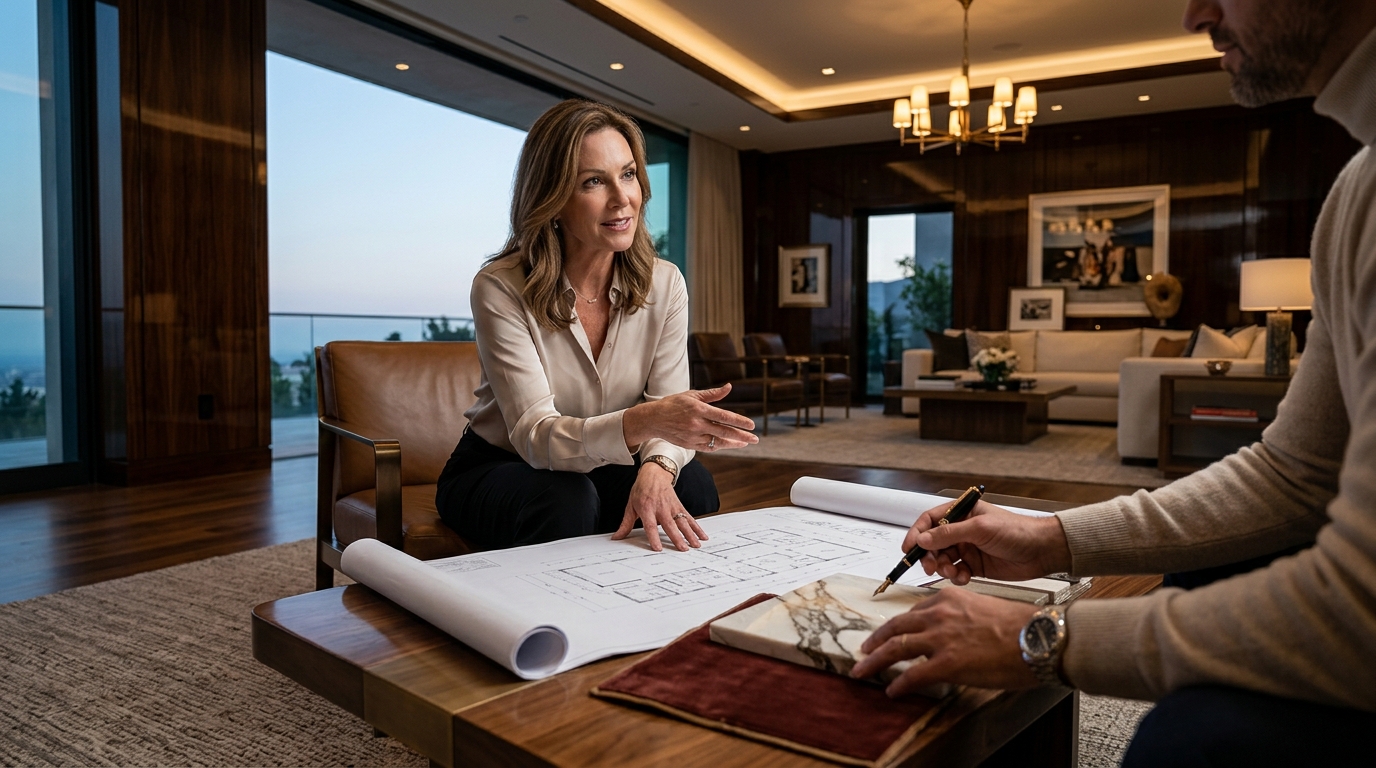
The process begins with a private consultation. Unlike standard design firms, ultra-luxury designers do not use call centers. The initial conversation is often with the principal designer themselves. This personal touch ensures that the client's vision is understood at a fundamental level. The process typically involves:
- Mood Boards and Concept Development: Creating a visual narrative before any physical work begins.
- Architectural Integration: Ensuring that interior elements align with the structural integrity and aesthetic of the building.
- Bespoke Millwork: Commissioning hand-carved paneling, custom joinery, and unique furniture pieces that cannot be found in retail stores.
- Wellness Integration: Incorporating principles of wellness design to enhance the health and well-being of the occupants.
This meticulous approach ensures that every detail, from the sightlines in a grand foyer to the texture of a library panel, is intentional. The result is a space that is not only beautiful but also deeply functional and personal.
Commercial vs. Residential Design Nuances
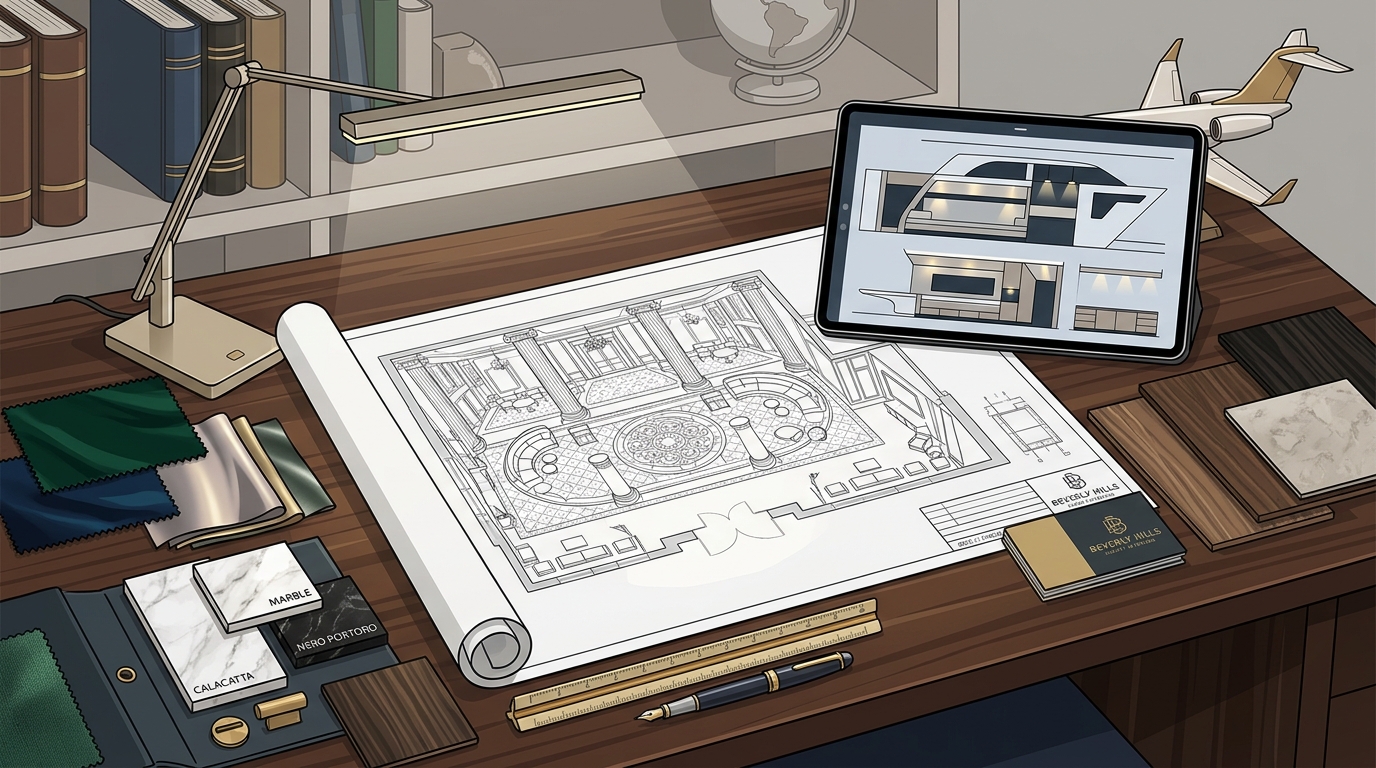
While the principles of luxury remain consistent, the application differs between residential and commercial projects. Residential design focuses on privacy, comfort, and personal legacy. Commercial design, such as luxury hospitality or corporate headquarters, focuses on brand identity, guest experience, and operational efficiency.
| Feature | Residential Ultra-Luxury | Commercial Ultra-Luxury |
|---|---|---|
| Primary Goal | Personal sanctuary and legacy | Brand elevation and guest experience |
| Key Clients | HNWIs, Celebrities, Royalty | Hotels, Corporations, VIP Venues |
| Design Focus | Intimacy, Wellness, Heritage | Flow, Durability, Impact |
| Examples | Private Residences | The Savoy, Plaza Hotel |
For commercial projects, designers often work on iconic venues like The Savoy in London or the Plaza Hotel in New York. These projects require a deep understanding of historical preservation while integrating modern luxury standards. The designer must balance the building's heritage with the client's contemporary needs.
Key Takeaways
- Ultra-luxury designers specialize in bespoke, high-value environments that integrate rare materials and architectural precision.
- Expertise in gemology and rare materials is a common trait among top-tier designers like Kenneth Bordewick.
- Global reach is essential, with firms maintaining offices in key markets like Beverly Hills, London, and Dubai.
- The design process begins with a private consultation with the principal designer, ensuring a personal connection.
- Projects typically begin at $500,000 in design fees, reflecting the scale and complexity of the work.
- Wellness design principles are increasingly integrated into luxury interiors to enhance occupant well-being.
- Successful designers have a track record of working with royalty, celebrities, and heads of state.
Frequently Asked Questions
Who designs interiors for ultra-luxury properties?
Ultra-luxury properties are designed by specialized firms with a global presence and a history of working with high-net-worth individuals. These designers often have backgrounds in gemology, architecture, and heritage preservation.
What is the minimum project size for ultra-luxury design?
Projects typically begin at $500,000 in design fees. This reflects the extensive research, bespoke craftsmanship, and global logistics required for such commissions.
How do designers ensure quality in international projects?
Designers maintain local offices and established contractor relationships in key markets. This allows them to oversee quality control and logistics from anywhere in the world.
What is the difference between luxury and ultra-luxury design?
Ultra-luxury design focuses on bespoke, one-of-a-kind elements and a higher level of personal service. It often involves rare materials and a deeper integration of wellness and heritage principles.
Can designers work on commercial projects like hotels?
Yes, many ultra-luxury designers also work on hospitality projects. They apply the same level of detail and craftsmanship to hotels and corporate spaces as they do to private residences.
How long does a typical project take?
Timelines vary based on scope. A single-room redesign may take six to eight weeks, while a complete residential project can span several years.
What is the "Quiet Luxury" framework?
Quiet Luxury is a design philosophy that emphasizes quality, craftsmanship, and timeless elegance over conspicuous branding. It creates spaces that feel effortless and enduring.
Begin Your Legacy Project
Creating an ultra-luxury interior is a significant undertaking that requires a partner who understands both the art and the science of design. If you are ready to discuss your vision, we invite you to request a private consultation with Kenneth Bordewick. Every exceptional interior begins with a conversation, and we are here to help you define yours.