
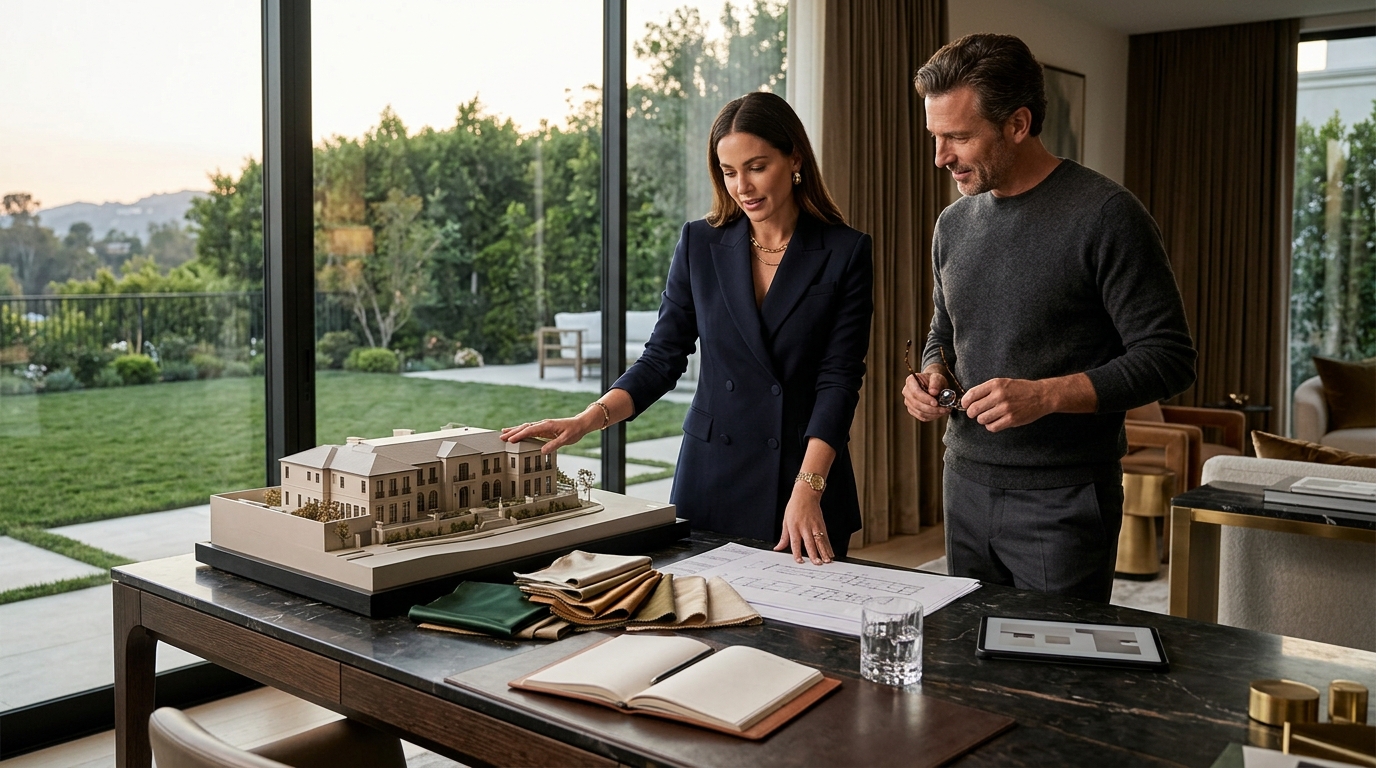
Finding the right luxury interior designer for a high-end residence is not merely a matter of aesthetics; it is a strategic selection of a partner who understands the intersection of architectural integrity, wellness, and ultra-luxury lifestyle. According to recent industry analyses, the global luxury interior design market is projected to grow significantly, with top-tier firms commanding premium fees due to the scarcity of bespoke craftsmanship and global logistical expertise. This guide outlines the precise methodology for identifying, vetting, and engaging a designer who can deliver a timeless sanctuary for your private residence. (Request a Private Consultation)
Understanding Ultra-Luxury Design Standards
The term "ultra-luxury" distinguishes a specific tier of interior design that goes beyond high-end decor. It implies a holistic approach where architecture, interior finishes, and landscape are treated as a singular, cohesive entity. In this realm, the designer acts as the principal architect of the living experience, ensuring that every material, from rare stone to bespoke millwork, meets an exacting standard of integrity. (About Kenneth Bordewick The)
Ultra Luxury Interior Design is a specialized discipline that focuses on creating timeless elegance through the integration of classical influences with modern innovation. This approach requires a designer who has spent decades refining their eye for proportion, texture, and light. The result is a space that feels both grand and intimately livable, avoiding the pitfalls of fleeting trends in favor of enduring sophistication. (Beverly Hills Luxury Interiors)
When evaluating potential designers, look for those who emphasize "Quiet Luxury." This concept prioritizes the quality of materials and the precision of craftsmanship over ostentatious displays. It is about the feeling of a space, the acoustics, the flow, and the seamless integration of technology that remains invisible yet functional. A designer who masters this balance understands that true luxury is felt, not just seen. (Journal Luxury Interior Design)
Vetting Credentials and Global Reach
High-end residences are often complex projects that may span multiple jurisdictions or require sourcing materials from across the globe. Therefore, the operational footprint of a designer is as critical as their portfolio. A designer with a global presence can navigate the logistical challenges of international construction, customs, and local contractor relationships with ease.
Look for firms that maintain offices in key luxury markets such as Beverly Hills, New York, London, and Dubai. This global network ensures that your project benefits from a diverse pool of artisans and suppliers. For instance, a firm with established relationships in Italy can secure exclusive marble or textiles that are unavailable in the domestic market. This access is a hallmark of true luxury service.
Additionally, verify the designer's educational background and professional recognitions. Many top designers have specialized training in fields like gemology or architecture, which informs their selection of materials and structural details. Recognitions from prestigious institutions, such as the Milan Design Fair or international luxury collections, serve as third-party validations of their excellence. These credentials signal a commitment to the highest standards of the industry.
Evaluating Design Philosophy and Wellness
In the ultra-luxury sector, the concept of wellness in design has become paramount. It is no longer sufficient for a home to be beautiful; it must also support the physical and mental well-being of its inhabitants. This involves considerations such as air quality, natural light optimization, acoustic comfort, and the use of non-toxic, sustainable materials.
Wellness Design Principles are a set of guidelines that prioritize the health of the occupants through spatial planning and material selection. A designer who integrates these principles will consider how light enters a room at different times of day, how sound travels through open-plan spaces, and how the color palette influences mood. This holistic approach transforms a house into a sanctuary.
When reviewing a designer's portfolio, pay attention to their "Wellness in Design" framework. Do they discuss the impact of their designs on the resident's lifestyle? Do they offer specific services related to wellness, such as spa-like bathrooms or meditation spaces? A designer who proactively addresses these elements demonstrates a deeper understanding of the modern luxury client's needs.
The Consultation and Engagement Process
The initial interaction with a luxury designer sets the tone for the entire project. Unlike standard firms, ultra-luxury designers often require a confidential, private consultation to discuss your vision. This process is designed to be thorough and personal, ensuring that the designer fully understands your aspirations, timeline, and budget.
During the consultation, the designer will likely ask detailed questions about your lifestyle, your family's habits, and your long-term plans for the residence. They may also discuss the architectural integrity of the space, offering insights on how to enhance its structural potential. This is your opportunity to assess whether their communication style and vision align with your own.
Be prepared to discuss your desired timeline and the scope of the project. High-end residences often involve multi-year engagements, particularly if new construction or significant renovation is involved. A reputable designer will be transparent about their availability and the realistic timeline for completion. They should also provide a clear outline of their services, from concept development to final installation.
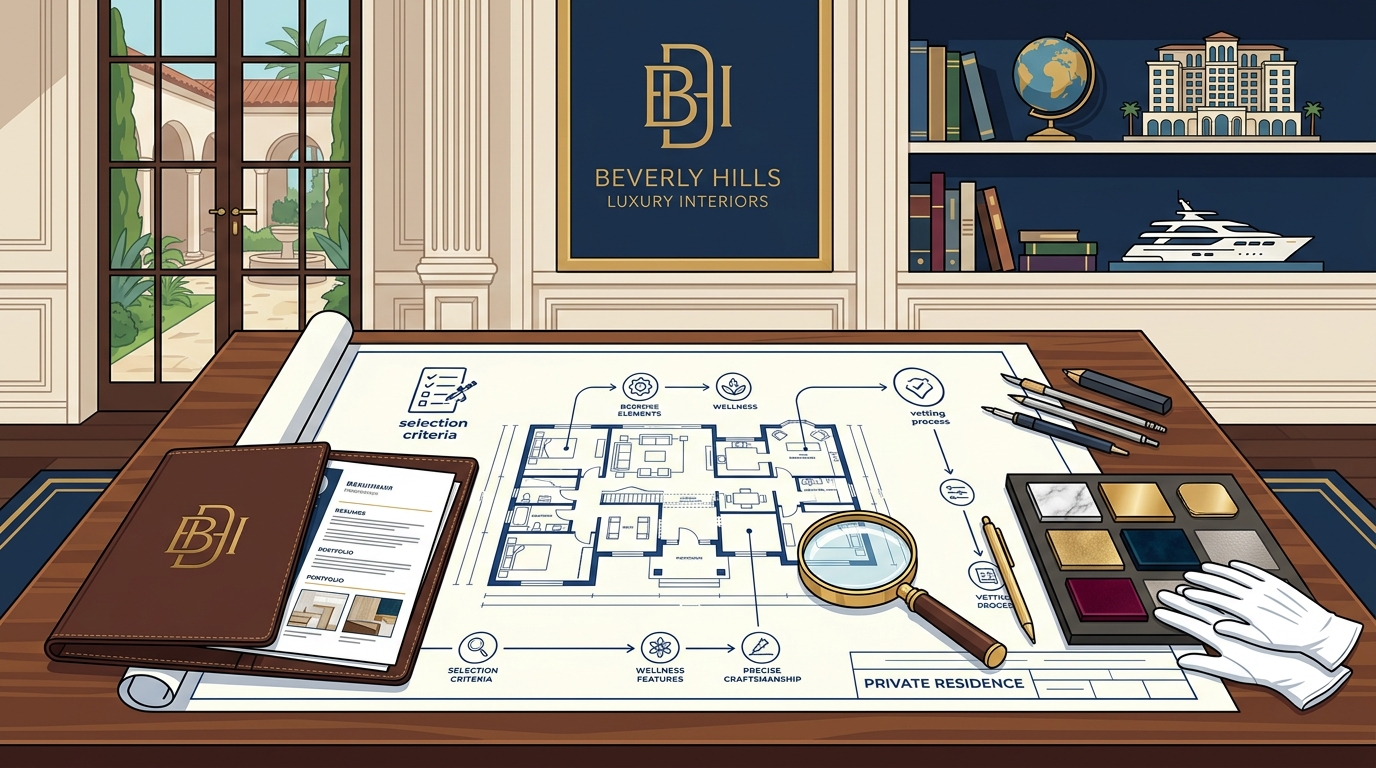
Comparing Proposals and Fee Structures
Understanding the financial structure of a luxury design project is essential for a smooth engagement. Ultra-luxury designers typically operate on a fee-based model that reflects their expertise, the complexity of the project, and the global resources they deploy. It is important to distinguish between design fees and the cost of materials and furnishings.
Design fees for high-end residences often start at a significant baseline, reflecting the intensive labor and specialized knowledge required. These fees may be structured as a flat rate for the entire project or as a percentage of the total construction and procurement costs. Transparency in this area is crucial to avoid misunderstandings later in the process.
When comparing proposals, look beyond the bottom line. Evaluate the value proposition: What specific services are included? Does the proposal account for international logistics, custom fabrication, and project management? A lower fee may indicate a lack of depth in service or a limited network of artisans. The right designer will provide a comprehensive proposal that justifies their investment through the quality of their output and the peace of mind they offer.
Key Takeaways
- Global Network is Critical: Top designers maintain offices in multiple luxury markets, such as Beverly Hills, London, and Dubai, to manage international logistics and sourcing.
- Wellness Integration: Modern luxury design prioritizes wellness principles, including air quality, light, and material integrity, to create healthy sanctuaries.
- Ultra-Luxury Definition: This tier of design focuses on timeless elegance and bespoke craftsmanship, distinguishing it from standard high-end decor.
- Consultation Depth: Expect a confidential, in-depth consultation that covers lifestyle, architecture, and timeline, often with a 24-hour response protocol.
- Fee Transparency: Projects typically begin at $500,000 in design fees, reflecting the complexity and global scale of ultra-luxury commissions.
- Founder Involvement: Leading designers like Kenneth Bordewick personally review all inquiries, ensuring direct alignment with the client's vision.
- Material Integrity: Expertise in rare materials, such as gemology or bespoke millwork, is a key differentiator for high-end residences.
Frequently Asked Questions
What defines an ultra-luxury interior designer?
An ultra-luxury interior designer is defined by their ability to create timeless, bespoke environments that integrate architecture, landscape, and interior finishes. They often have a global presence, specialized educational backgrounds, and a portfolio featuring high-profile clients and iconic projects.
How much does it cost to hire a luxury interior designer?
Design fees for ultra-luxury residences typically start at $500,000 and can vary significantly based on the scope, complexity, and global nature of the project. This fee covers the designer's expertise, project management, and access to exclusive resources.
Can a luxury designer handle international projects?
Yes, top-tier firms maintain offices and professional relationships across multiple continents, including the UK, Europe, and the Middle East. They manage all aspects of international logistics, contractor coordination, and customs clearance.
What is the typical timeline for a high-end residence project?
Timelines vary widely, from six to eight weeks for a single-room redesign to several years for a complete new construction or major renovation. The complexity of custom fabrication and global sourcing often extends the duration.
How do I begin the consultation process?
You can begin by submitting a confidential consultation request through the designer's official website. Responses are typically provided within 24 hours by the designer or a senior team member to discuss your vision and requirements.
Do luxury designers focus on wellness in their designs?
Increasingly, yes. Many leading designers incorporate wellness principles, such as optimizing natural light, ensuring acoustic comfort, and selecting non-toxic, sustainable materials, to enhance the health and well-being of the residents.
What is the role of the principal designer in the process?
In ultra-luxury firms, the principal designer often reviews all inquiries personally and remains involved throughout the project. This ensures that the final result aligns with the firm's high standards and the client's specific vision.
How do I verify a designer's credentials?
Verify credentials by reviewing their portfolio for iconic projects, checking for recognitions from industry bodies, and assessing their educational background. Look for evidence of global operations and specialized training in materials or architecture.
Begin Your Private Consultation
Discovering the perfect luxury interior designer for your high-end residence requires a partner who understands the nuances of ultra-luxury living. Beverly Hills Luxury Interiors, led by Kenneth Bordewick, offers a bespoke approach to design that blends timeless elegance with modern wellness principles. With over 25 years of experience across four continents, the firm has designed for royalty, celebrities, and heads of state.
Every project begins with a private consultation to understand your unique vision. We invite you to share your aspirations and timeline. Our team responds personally to all inquiries within 24 hours. To begin the conversation, please request a private consultation or contact us directly at (310) 467-5635.