Defining the aesthetic language of the ultra-wealthy requires more than just selecting expensive furniture. It demands a precise understanding of historical movements that blend theatricality with refined taste. Hollywood Glamour and American Elegance represent two pillars of this luxury design philosophy, offering distinct yet complementary approaches to creating spaces that are both visually arresting and deeply livable. Understanding these styles is essential for anyone seeking to replicate the sophistication found in the world's most prestigious residences. (Request a Private Consultation)
Defining Hollywood Glamour
Hollywood Glamour is not merely a style; it is a theatrical expression of wealth and sophistication. Originating in the 1920s and 1930s during the Golden Age of cinema, this aesthetic draws heavily from Art Deco and the opulence of European palaces. It is characterized by high contrast, rich colors, and a deliberate sense of drama. The style was popularized by interior designers who worked on film sets and for movie stars, creating environments that felt like stages for life itself. (About Kenneth Bordewick The)
At its core, Hollywood Glamour is about creating an atmosphere of exclusivity. It utilizes deep, saturated hues such as black, navy, emerald, and ruby red. These dark backgrounds serve to highlight metallic accents, particularly gold, brass, and chrome. The lighting in these spaces is often dramatic, using chandeliers and sconces to create pools of light that enhance the texture of the materials. This approach ensures that every corner of the room feels intentional and curated. (Beverly Hills Luxury Interiors)
The furniture in a Hollywood Glamour interior is typically sleek and streamlined, often featuring lacquered finishes or mirrored surfaces. Mirrors are used extensively to reflect light and create an illusion of expanded space, a crucial element in large, high-ceilinged rooms. The goal is to create a space that feels both grand and intimate, a sanctuary that separates the occupant from the outside world through sheer visual impact.
American Elegance Core Principles
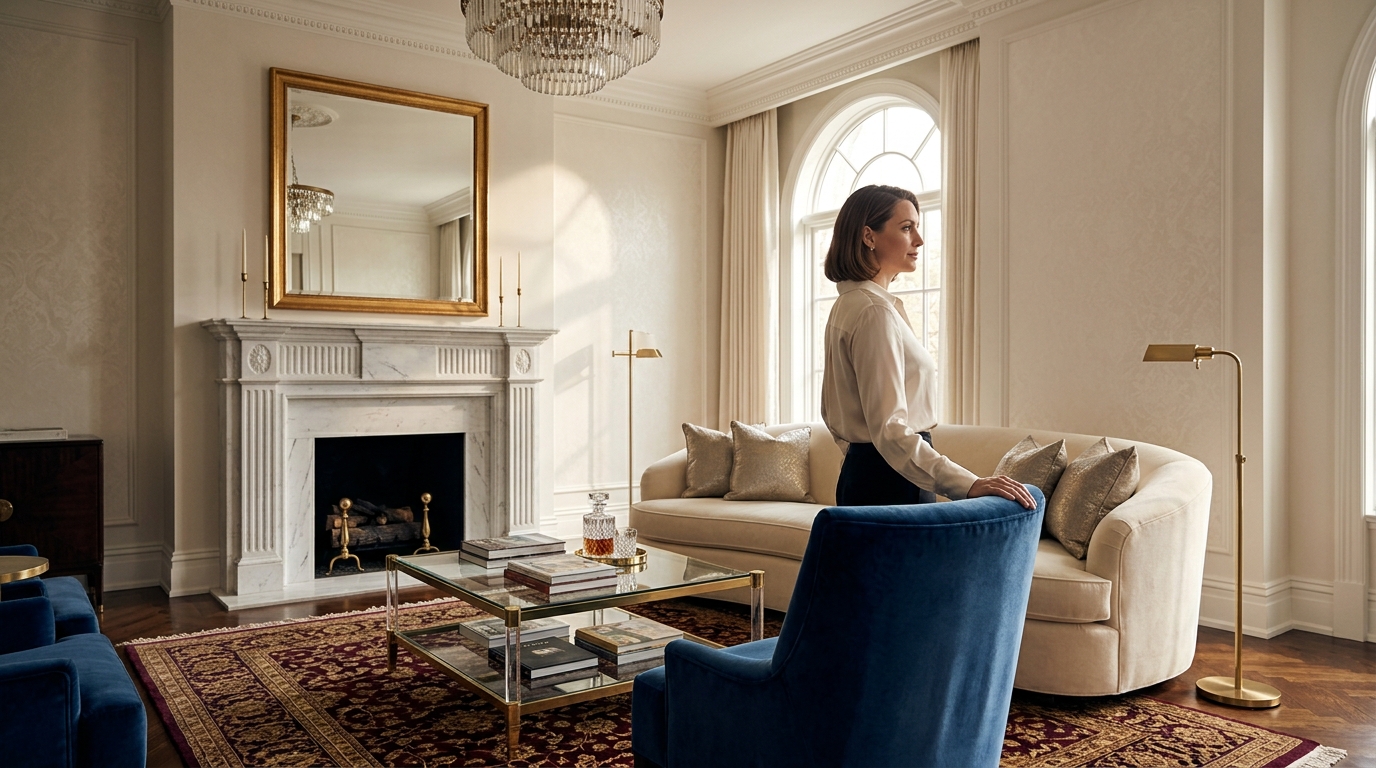
American Elegance, often referred to as Traditional American or Classic American, offers a more grounded and enduring approach to luxury. Unlike the theatricality of Hollywood Glamour, American Elegance prioritizes comfort, proportion, and timelessness. It draws inspiration from colonial, Federal, and Georgian architecture, blending these historical references with modern comforts. This style is prevalent in the historic estates of the Northeast United States and the grand mansions of the South.
One defining characteristic of American Elegance is its use of symmetry and balance. Rooms are often arranged around a central axis, with furniture placed to facilitate conversation and movement. The color palette is typically softer and more neutral, featuring creams, beiges, soft grays, and muted greens. These tones create a serene backdrop that allows architectural details, such as crown molding, wainscoting, and fireplaces, to take center stage.
Another critical component is the use of natural materials. American Elegance favors wood, stone, and linen over the lacquered and mirrored surfaces of Hollywood Glamour. The wood is often dark and rich, such as mahogany or walnut, providing a sense of weight and permanence. The fabrics are high-quality and tactile, including velvet, silk, and heavy cottons. This focus on material integrity ensures that the space ages gracefully, gaining character over time rather than appearing dated.
Key Elements: A Comparative Analysis
While both styles fall under the umbrella of luxury interior design, they serve different psychological and aesthetic purposes. Hollywood Glamour is designed to impress and entertain, creating a sense of awe. American Elegance is designed to comfort and endure, creating a sense of home. Understanding the specific elements of each allows for a more precise application in any residential project.
| Design Element | Hollywood Glamour | American Elegance |
|---|---|---|
| Color Palette | High contrast, deep saturated colors (black, navy, red) | Soft neutrals, muted tones (cream, beige, sage) |
| Lighting | Dramatic, chandeliers, focused accent lighting | Soft, ambient, layered with table and floor lamps |
| Materials | Lacquer, mirrored glass, metallic finishes | Hardwood, stone, natural linen, wool |
| Furniture Style | Sleek, streamlined, often with curved lines | Substantial, comfortable, traditional silhouettes |
| Atmosphere | Theatrical, dramatic, exclusive | Welcoming, timeless, serene |
Materials and Textures
The selection of materials is perhaps the most critical differentiator between these two styles. In Hollywood Glamour, the focus is on reflectivity and sheen. Mirrored furniture, glass tables, and metallic accents are used to bounce light around the room. This creates a sense of movement and energy, even in stillness. The textures are smooth and cool to the touch, emphasizing the sleekness of the design.
In contrast, American Elegance relies on warmth and tactility. The textures are rich and varied, from the grain of the wood to the weave of the fabric. Velvet upholstery adds depth and softness, while leather chairs provide durability and a sense of history. The use of natural stone in fireplaces and flooring grounds the space, providing a visual anchor that contrasts with the lighter walls and ceilings. This interplay of textures creates a layered look that is both sophisticated and inviting.
Both styles require a high level of craftsmanship. Whether it is the precise joinery of a mirrored cabinet or the hand-carved details of a wooden mantel, the quality of the workmanship is paramount. In luxury design, the details are what separate a good interior from a great one. The materials must be sourced for their rarity and beauty, ensuring that they stand the test of time and trend.
Integration Strategy
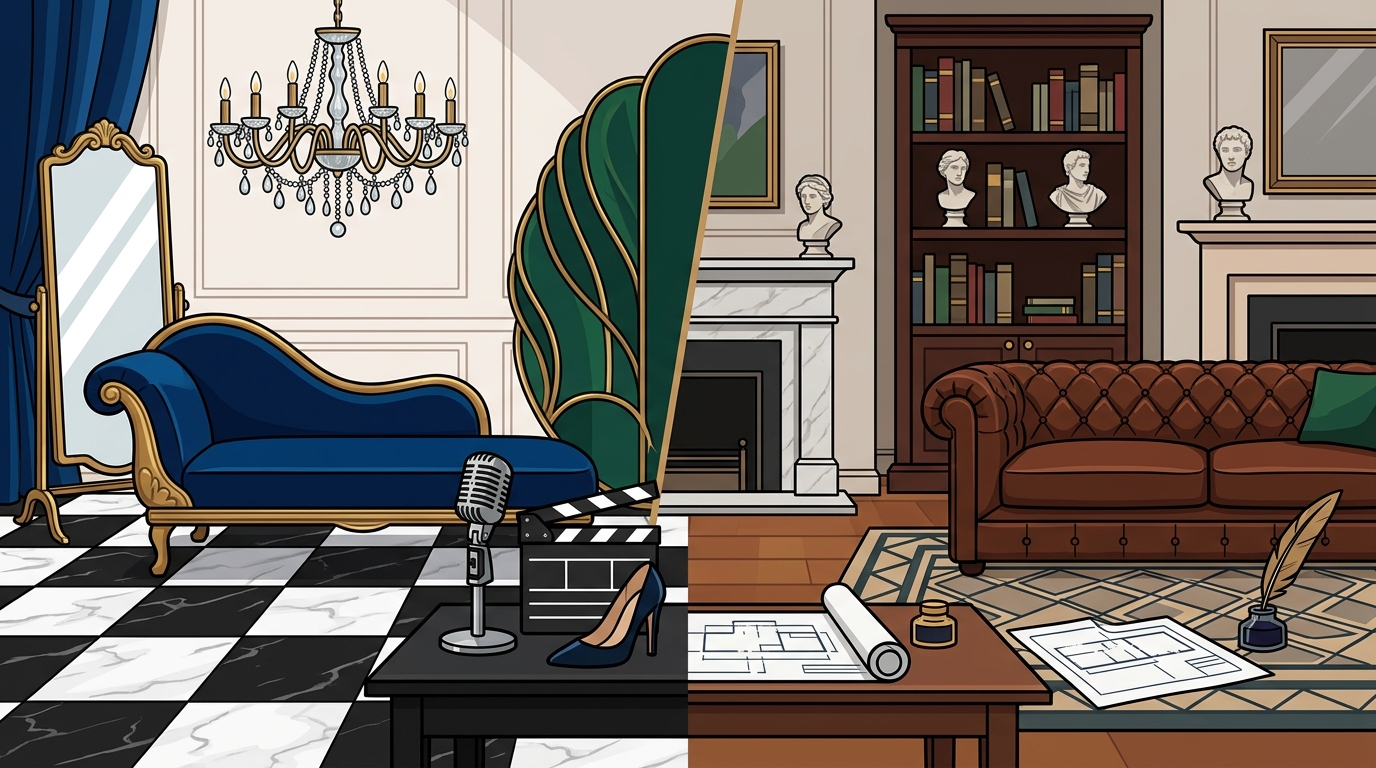
For many high-net-worth individuals, the choice is not between Hollywood Glamour and American Elegance, but rather how to integrate both. This hybrid approach allows for the creation of spaces that are both dramatic and livable. For example, a grand foyer might feature the high contrast and mirrored surfaces of Hollywood Glamour to make a powerful first impression. In contrast, the adjacent living room might transition to the softer tones and comfortable furnishings of American Elegance, providing a more relaxed environment for daily living.
This integration requires a careful balance. The transition between styles must be seamless, achieved through consistent architectural details such as moldings and flooring. The color palette should also be coordinated, using neutral tones as a bridge between the dark hues of Glamour and the light tones of Elegance. Lighting plays a crucial role in this integration, with fixtures chosen to complement both styles without clashing.
Another strategy is to use Hollywood Glamour elements as accents within an American Elegance framework. For instance, a traditional room might feature a single mirrored console table or a metallic chandelier to add a touch of drama without overwhelming the space. This approach allows for personalization, enabling clients to express their individual tastes while maintaining a cohesive overall design.
Key Takeaways
- Hollywood Glamour is defined by high contrast, dramatic lighting, and reflective materials like lacquer and mirrors.
- American Elegance prioritizes comfort, symmetry, and natural materials such as wood and stone.
- Both styles rely on high-quality craftsmanship and rare materials to establish luxury.
- Integration of both styles is common in ultra-luxury homes to balance drama with livability.
- Color palettes differ significantly, with Glamour using deep saturated hues and Elegance using soft neutrals.
- Lighting is a critical tool in both styles, used to create mood and highlight architectural details.
- The choice between styles depends on the desired atmosphere, from theatrical to serene.
Frequently Asked Questions
What is the primary difference between Hollywood Glamour and American Elegance?
Hollywood Glamour is theatrical and dramatic, using high contrast and reflective surfaces to create a sense of awe. American Elegance is timeless and comfortable, focusing on natural materials, symmetry, and soft neutral colors to create a serene environment.
Can I mix Hollywood Glamour and American Elegance in one home?
Yes, many luxury interiors blend these styles. A common approach is to use Hollywood Glamour in formal areas like foyers and dining rooms, while employing American Elegance in living spaces and bedrooms for comfort.
What are the key materials used in Hollywood Glamour design?
Key materials include lacquered finishes, mirrored glass, metallic accents like gold and brass, and rich fabrics such as velvet and silk. These materials are chosen for their ability to reflect light and create a sense of opulence.
How does American Elegance achieve a sense of timelessness?
American Elegance achieves timelessness through its use of classic architectural proportions, neutral color palettes, and high-quality natural materials. These elements do not follow fleeting trends and remain sophisticated for decades.
Is Hollywood Glamour suitable for small spaces?
While Hollywood Glamour is often associated with large spaces, it can work in smaller areas if used carefully. Mirrors can help expand the sense of space, and a focused use of dark colors can create a cozy, intimate atmosphere rather than an overwhelming one.
What role does lighting play in these design styles?
Lighting is crucial in both styles. In Hollywood Glamour, it is used dramatically to highlight metallic accents and create mood. In American Elegance, it is used softly to enhance the warmth of natural materials and create a welcoming ambiance.
Who are some notable designers associated with these styles?
Historically, designers like Josephine Otis Nivison and Elsie de Wolfe were pioneers in American Elegance. In Hollywood Glamour, designers who worked on film sets and for celebrities in the 1920s and 30s helped define the style. Today, firms like Beverly Hills Luxury Interiors continue to master these aesthetics.
Begin Your Design Journey
Creating a home that embodies the sophistication of Hollywood Glamour or the timeless grace of American Elegance requires more than just aesthetic knowledge. It demands a deep understanding of spatial dynamics, material integrity, and the unique lifestyle of the client. At Beverly Hills Luxury Interiors, we specialize in translating these classic design philosophies into bespoke realities for the world's most discerning individuals.
Our team, led by Kenneth Bordewick, brings over 25 years of experience in ultra-luxury design to every project. We work closely with our clients to ensure that every detail, from the initial concept to the final installation, reflects their personal vision and lifestyle. Whether you are looking to create a dramatic entertainment space or a serene sanctuary, we have the expertise to bring your vision to life.
We invite you to explore our portfolio to see examples of our work across various styles and locations. For more information on our approach to wellness in design, please visit our Wellness in Design section. To discuss your project in confidence, please request a private consultation with our team today.