
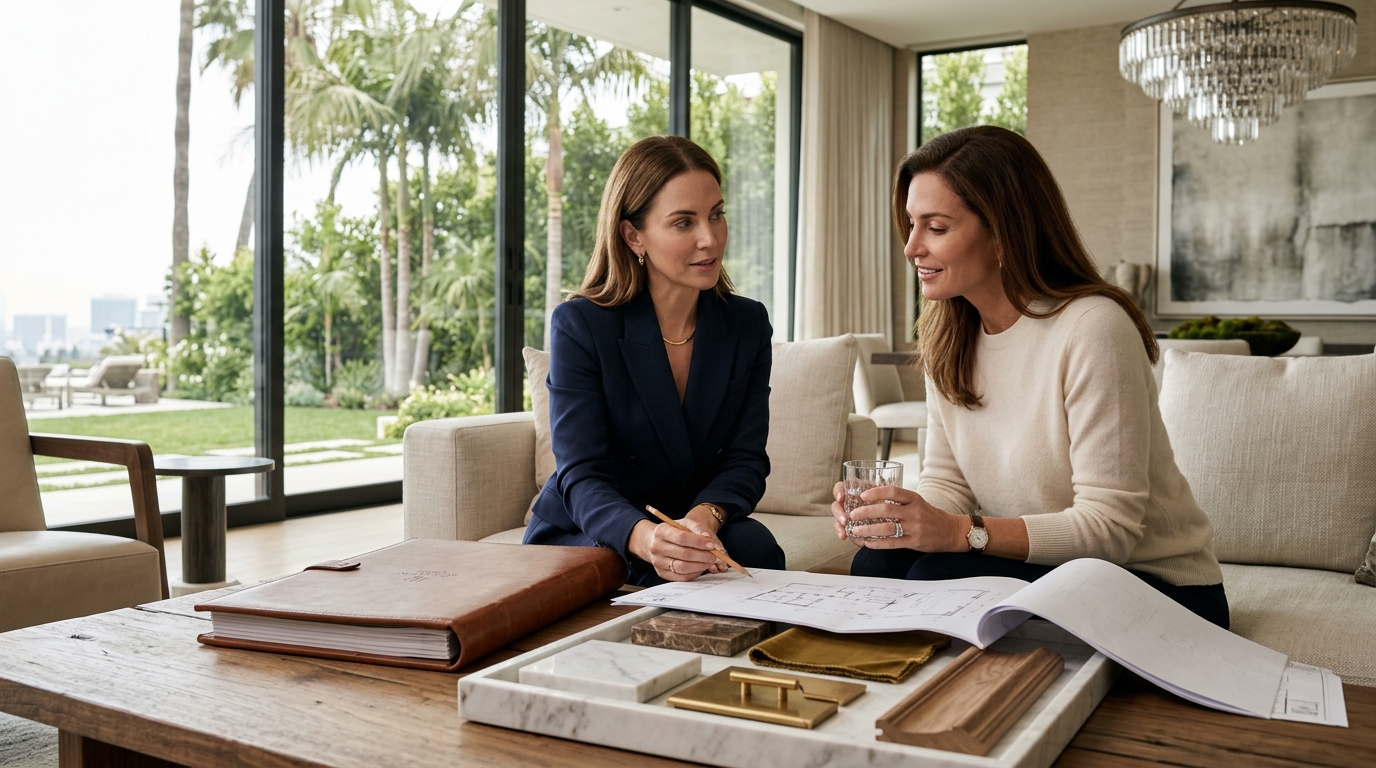
Securing the right design partner for an ultra-luxury residence requires more than browsing portfolios; it demands a strategic alignment of aesthetic vision, operational capacity, and global logistical expertise. According to industry benchmarks, the global luxury interior design market is projected to grow significantly, with high-net-worth individuals increasingly prioritizing bespoke, wellness-integrated environments over standard decorative upgrades. This shift means that finding a designer who understands both the artistic and technical complexities of ultra-luxury living is critical for achieving a timeless result. (Request a Private Consultation)
Defining Ultra-Luxury Design Standards
Ultra-luxury interior design is not merely about expensive materials; it is about the curation of an entire lifestyle ecosystem. Ultra-luxury design is a specialized discipline that integrates bespoke craftsmanship, rare material sourcing, and holistic wellness principles to create environments that reflect the unique identity of the occupant. Unlike standard high-end design, which may focus on aesthetics, ultra-luxury prioritizes the invisible details: the acoustic performance of a library, the thermal dynamics of a sunroom, and the seamless integration of smart home technology that remains unobtrusive. (About Kenneth Bordewick The)
When evaluating potential designers, look for those who articulate a clear philosophy beyond visual appeal. For instance, the "Quiet Luxury Framework" emphasizes materials and integrity over overt branding. This approach ensures that the residence ages gracefully, maintaining its elegance and functionality for decades. A designer who can articulate this level of detail demonstrates a commitment to longevity and substance, which are hallmarks of true luxury. (Beverly Hills Luxury Interiors)
Furthermore, the integration of wellness is no longer optional in the ultra-luxury sector. Wellness design is the practice of optimizing physical spaces to enhance the mental and physical health of occupants through lighting, air quality, biophilic elements, and ergonomic precision. Top-tier designers now collaborate with wellness partners to ensure that every room contributes to the resident's well-being. This holistic approach distinguishes a mere decorator from a comprehensive lifestyle architect. (Journal Luxury Interior Design)
Evaluating Credentials and Global Reach
For high-end residences, particularly those in international locations, the designer's operational footprint is as important as their aesthetic. A designer with a global presence can navigate complex logistics, local building codes, and artisan networks across different continents. Global luxury design is the capability to execute complex, high-specification projects across multiple international jurisdictions while maintaining a unified aesthetic and quality standard.
Look for firms that have established offices in key luxury markets such as Beverly Hills, New York, London, Dubai, and Riyadh. This physical presence indicates a mature infrastructure capable of handling the demands of ultra-high-net-worth clients. It also suggests that the firm has the resources to manage supply chains for rare materials, such as hand-carved millwork or imported stone, without compromising on quality or timeline.
Additionally, verify the designer's educational background and professional recognitions. Many elite designers have specialized training in areas like gemology or diamondology, which informs their eye for precious finishes and rare materials. Awards from prestigious institutions, such as the Milan Design Fair or international luxury collections, serve as third-party validations of their expertise. These credentials are not just accolades; they are indicators of a designer's standing within the global design community.
Vetting Portfolio Depth and Clientele
A designer's portfolio should tell a story of versatility and depth. Look for projects that span various typologies, from private residences to iconic hospitality venues. This breadth indicates an ability to adapt to different spatial challenges and functional requirements. For example, a designer who has worked on both a private villa and a luxury hotel demonstrates a capacity to handle both intimate, personalized details and large-scale operational needs.
The clientele listed in a portfolio is also a significant signal. Working with royalty, heads of state, and entertainment icons requires a level of discretion, professionalism, and adaptability that is rare. Discretion in luxury design is the unwavering commitment to client privacy and confidentiality, ensuring that the design process and the final result remain protected from public scrutiny. If a designer has a history of working with high-profile individuals, it is likely that they have established robust protocols for privacy and security.
When reviewing portfolios, pay attention to the level of customization. Are the pieces standard or bespoke? Look for evidence of hand-carved library paneling, custom joinery, and architectural woodwork that has been sculpted specifically for the space. These details are the hallmarks of a designer who prioritizes uniqueness and craftsmanship over off-the-shelf solutions.
The Private Consultation Process
The initial consultation is your first opportunity to assess the designer's responsiveness and personal engagement. In the ultra-luxury sector, the process is typically highly personalized. A private consultation is an exclusive, one-on-one meeting where the designer and client discuss the project's vision, timeline, and budget in a confidential setting. This is not a sales pitch; it is a diagnostic session to determine if the designer's philosophy aligns with your aspirations.
During this meeting, observe how the designer listens. Do they ask about your lifestyle, your daily routines, and your long-term goals? Or do they immediately start talking about their own achievements? A great designer will focus on understanding you first. They will want to know how you live before defining how you should live. This client-centric approach ensures that the final design is a true reflection of your identity.
Also, inquire about their communication protocols. Will you be working directly with the principal designer, or will you be passed off to a junior team member? For ultra-luxury projects, direct access to the principal is often a key requirement. Ensure that the firm has a clear process for responding to inquiries, typically within 24 hours, to maintain the momentum of the project.
Understanding Budget and Fee Structures
Transparency in pricing is essential, even in the luxury market. While costs can vary widely, it is important to understand the structure of the fees. Design fees in the ultra-luxury sector typically begin at a high baseline, reflecting the extensive research, customization, and project management required for complex commissions. For many elite firms, projects often begin at $500,000 in design fees alone, with total project costs scaling significantly higher depending on the scope.
Ask for a detailed breakdown of costs, including design fees, procurement markups, and contractor costs. Be wary of vague estimates. A reputable designer will provide a clear scope of work and a realistic timeline, even if the final cost is substantial. They should also be transparent about any potential additional costs that may arise during the construction phase.
Consider the value proposition. While the upfront cost may be high, the long-term value of a well-designed, durable, and functional space is immense. A designer who sources high-quality materials and oversees meticulous craftsmanship will save you from costly repairs and replacements down the line. Think of the design fee as an investment in the longevity and enjoyment of your home.
Key Takeaways
- Global Infrastructure: Elite designers maintain offices in key luxury markets like Beverly Hills, London, and Dubai to manage international logistics.
- Wellness Integration: Top-tier firms now incorporate wellness design principles to enhance the health and well-being of residents.
- Discretion is Paramount: Working with high-profile clients requires a proven track record of confidentiality and privacy.
- Bespoke Craftsmanship: Look for evidence of hand-carved millwork and custom joinery in portfolios, not just standard furnishings.
- Direct Access: Ensure you will have direct communication with the principal designer, not just a project manager.
- Transparent Fees: Ultra-luxury design fees often start at $500,000, with total costs scaling based on complexity and scope.
- Long-Term Vision: The best designs are timeless, blending classic sophistication with modern functionality for enduring appeal.
Frequently Asked Questions
What is the typical minimum budget for an ultra-luxury interior design project?
Ultra-luxury interior design projects typically begin at $500,000 in design fees. Total project costs, including construction and furnishings, can range from several million to tens of millions of dollars depending on the scope and complexity of the residence.
How long does a typical luxury design project take to complete?
The timeline varies significantly based on the scope. A single-room redesign may take six to eight weeks, while a complete residential renovation or new construction project can take two to four years from initial consultation to final completion.
Can a luxury interior designer handle international projects?
Yes, elite firms often have a global presence with offices in multiple countries. They manage international logistics, local contractor relationships, and cross-border supply chains to ensure seamless execution of projects in locations such as the UK, France, Italy, and the Middle East.
What is the difference between high-end and ultra-luxury interior design?
High-end design focuses on quality materials and aesthetic appeal, while ultra-luxury design emphasizes bespoke craftsmanship, holistic wellness integration, and a deeply personalized approach to lifestyle architecture. Ultra-luxury also involves a higher level of discretion and global operational capacity.
How do I ensure my privacy during the design process?
Reputable ultra-luxury firms operate with strict confidentiality agreements. They do not share client details or project specifics without explicit permission. During the consultation, you can discuss your privacy requirements and ensure that the firm has robust protocols in place to protect your information.
What qualifications should I look for in a luxury designer?
Look for designers with specialized education, such as gemology or diamondology, which informs their eye for rare materials. Additionally, check for awards from prestigious institutions and a portfolio that demonstrates experience with high-profile clients and iconic projects.
Do luxury designers offer wellness design services?
Many top-tier designers now offer wellness design as a core service. This includes optimizing lighting, air quality, and biophilic elements to enhance the physical and mental health of the occupants. Some firms even have dedicated wellness partners to collaborate on these aspects.
Begin Your Private Consultation
Discovering the right luxury interior designer is the first step toward creating a residence that reflects your legacy. If you are ready to explore how Beverly Hills Luxury Interiors can bring your vision to life, we invite you to request a private consultation. Our team is available to discuss your project in confidence and provide a personalized assessment of your needs.
Request a Private Consultation with Kenneth Bordewick to begin the conversation about your ultra-luxury project.