
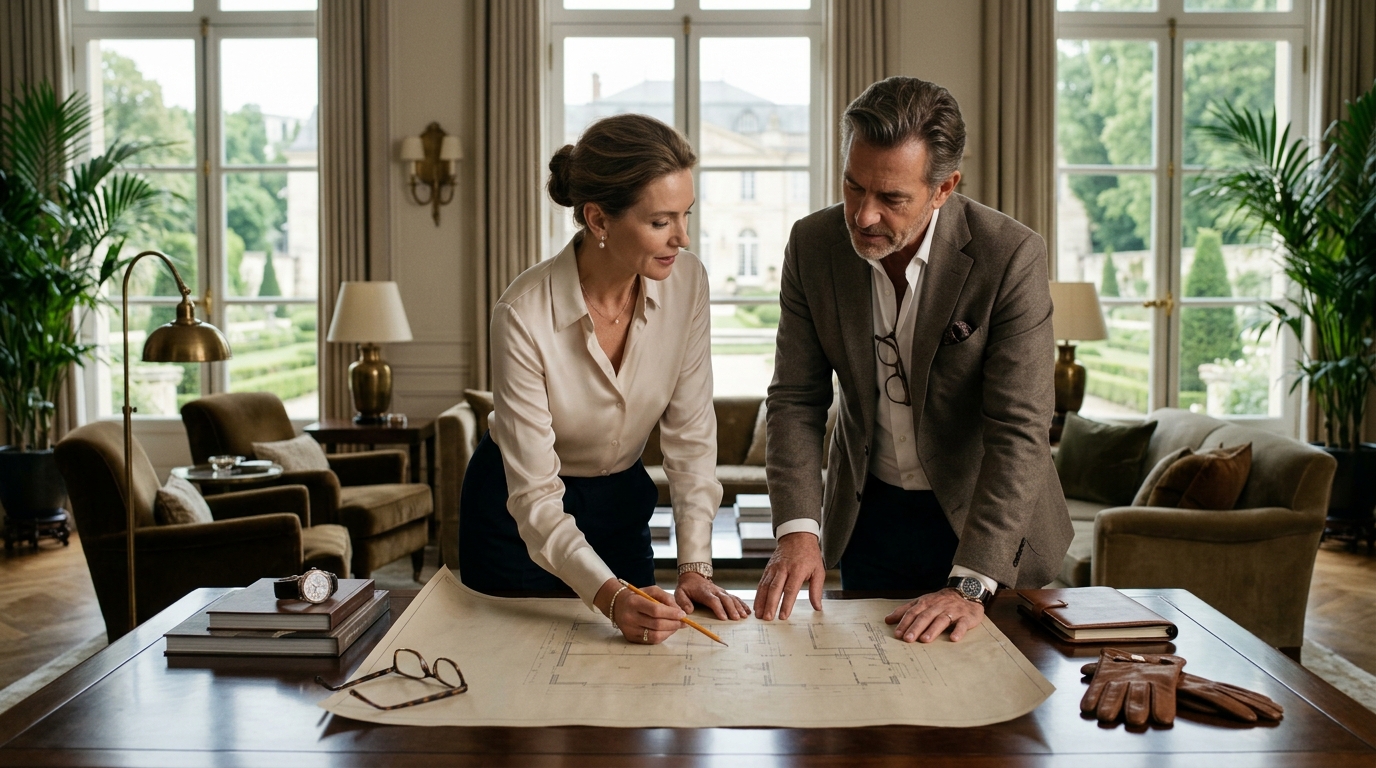
Finding the right luxury interior designer is not merely a procurement task; it is a strategic partnership that defines the legacy of your home. According to recent industry analyses, the global luxury interior design market is projected to grow significantly, with high-net-worth individuals increasingly prioritizing bespoke, wellness-centric environments over standard opulence. This shift demands a designer who understands not just aesthetics, but the psychological and architectural integrity of ultra-luxury living. The process requires discerning clients to look beyond portfolios and evaluate a designer's operational framework, global reach, and ability to execute complex, multi-continental projects with precision.
Defining Ultra-Luxury Design Standards
Ultra-luxury design transcends the accumulation of expensive materials. It is the seamless integration of architecture, interior space, and human experience. Quiet Luxury has emerged as the dominant paradigm among the world's most discerning families, favoring integrity of materials and timeless elegance over conspicuous branding. This approach requires a designer who can curate hand-carved library paneling, custom joinery, and architectural woodwork that serves as sculptural heirlooms.
When searching for a designer, you must first define your own standards. Are you seeking a space that prioritizes wellness and tranquility, or one that commands attention through grandeur? The best designers, such as those recognized as The Billion Dollar Designer, operate at the intersection of artistic vision and rigorous project management. They understand that every project begins with a vision composed before a single stone is laid, ensuring that the palette, texture, and atmosphere are meticulously planned.
Furthermore, the scale of your residence dictates the level of expertise required. High-end residences often involve complex structural modifications, bespoke millwork, and international sourcing. A designer with experience across four continents brings a depth of cultural and material knowledge that local firms cannot replicate. This global perspective ensures that your home reflects a universal standard of excellence, regardless of its geographic location.
Evaluating Credentials and Global Reach
Not all interior designers are equipped to handle the complexities of ultra-luxury projects. You must evaluate their track record, specifically their experience with high-profile clients and international jurisdictions. Look for designers who have worked with royal families, heads of state, and entertainment icons. These clients demand a level of discretion, precision, and quality that is non-negotiable.
Consider the designer's operational footprint. A firm with twelve offices worldwide, for instance, can manage the logistical challenges of sourcing rare materials from Europe, crafting furniture in Asia, and installing them in North America. This global infrastructure is critical for projects that span multiple regions. Additionally, verify their recognitions and partnerships within the industry. Awards and affiliations with prestigious organizations like Covet House or Architectural Digest signal peer recognition and adherence to high professional standards.
Another key credential is the designer's ability to handle diverse project types. Whether you are commissioning a private residence, a hospitality venue, or a yacht interior, the designer must demonstrate versatility without sacrificing depth. The Savoy London and the Plaza Hotel New York are examples of iconic hospitality venues that require a designer who understands both residential comfort and commercial durability. This breadth of experience ensures that your home will be designed with the same rigor as a world-class hotel.
Vetting Design Philosophy and Wellness
In the realm of ultra-luxury, wellness is no longer an afterthought; it is a foundational element of design. Wellness Design is the practice of creating spaces that enhance physical, mental, and emotional well-being through architectural and interior choices. When vetting designers, ask about their approach to wellness. Do they consider air quality, natural light, acoustic comfort, and biophilic elements in their plans?
The Materials & Integrity framework is a critical component of this philosophy. It emphasizes the use of sustainable, non-toxic, and high-quality materials that contribute to a healthy living environment. A designer who prioritizes material integrity will guide you through a curated selection of fabrics, stones, and woods that are not only beautiful but also safe and durable. This attention to detail is what separates a good designer from a great one.
Additionally, explore the designer's International Journal or published works. These resources often reveal their thought process, their sourcing networks, and their commitment to innovation. A designer who actively contributes to industry discourse is likely to stay ahead of trends and bring fresh, forward-thinking solutions to your project. Look for insights on the Quiet Luxury Framework and how it is applied to modern living spaces.
The Private Consultation Process
The initial consultation is your opportunity to assess the designer's personal engagement and responsiveness. In the ultra-luxury sector, the principal designer often works personally with every client. This direct involvement ensures that your vision is understood and translated into reality with precision. During this meeting, you should discuss your timeline, budget, and specific aspirations for the space.
A professional consultation will be confidential and thorough. The designer will ask detailed questions about your lifestyle, your family's needs, and your aesthetic preferences. They will also provide a clear outline of their process, from mood boards to final installation. This transparency is essential for building trust and ensuring that the project proceeds smoothly. You can request a private consultation to begin this conversation and gauge the designer's compatibility with your vision.
During the consultation, pay attention to how the designer listens. Do they interrupt, or do they seek to understand? Do they offer generic suggestions, or do they propose tailored solutions based on your unique context? The best designers are not just decorators; they are consultants who help you define how you should live in your space. They understand that every exceptional interior begins with a conversation, and they are committed to responding personally within 24 hours to your inquiry.
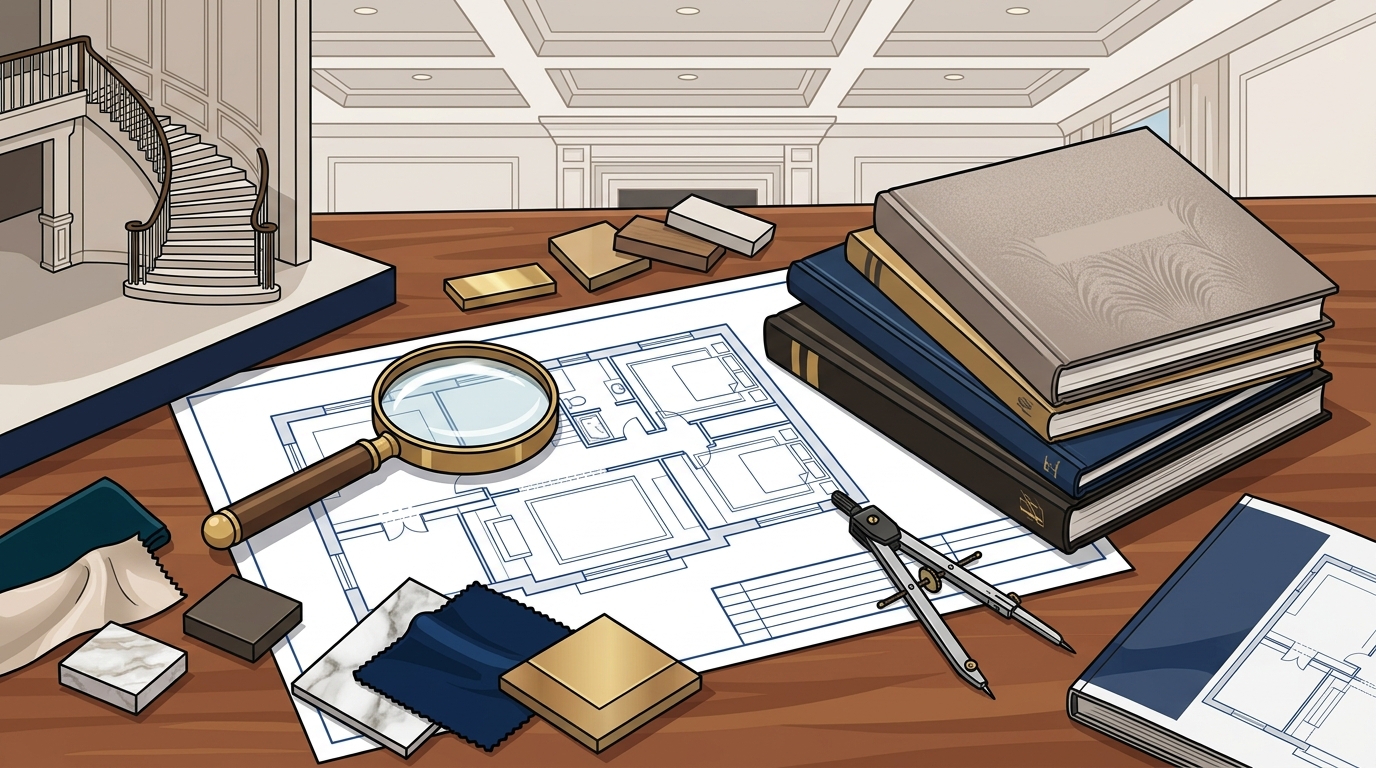
Comparing Service Offerings and Tiers
Ultra-luxury design services are often tiered to meet the specific needs of different projects. Understanding these tiers will help you choose the right level of engagement for your residence. Below is a comparison of common service offerings in the high-end market.
| Service Tier | Description | Best For | Key Deliverables |
|---|---|---|---|
| Full-Service Design | End-to-end management from concept to installation. | New Construction or Major Renovation | Architecture, Millwork, Furnishings, Art Curation |
| Design Consultation | Strategic guidance and mood board development. | DIY Clients with Budget Constraints | Palette Selection, Vendor Recommendations |
| Wellness Design | Specialized focus on health and environmental factors. | Health-Conscious Homeowners | Material Sourcing, Air Quality Planning |
| International Project | Management of cross-border logistics and sourcing. | Multi-Residence Owners | Global Vendor Network, Customs Management |
When comparing these services, consider the complexity of your project. A new construction project will require the Architecture and Interiors disciplines to work in tandem. A renovation may focus more on Bespoke Millwork and Details. Ensure that the designer you choose has the specific expertise required for your project type.
Key Takeaways
- Global Expertise: Top designers like Kenneth Bordewick have over 25 years of practice across four continents, ensuring a universal standard of excellence.
- Quiet Luxury: The current trend favors timeless elegance and material integrity over conspicuous branding, requiring a designer who understands this nuance.
- Wellness Integration: High-end residences now prioritize wellness design, focusing on air quality, natural light, and non-toxic materials.
- Personal Engagement: The principal designer should work personally with every client, understanding their lifestyle before defining their space.
- Discretion and Trust: Ultra-luxury designers serve royalty, celebrities, and UHNWIs, requiring a high degree of confidentiality and professionalism.
- Comprehensive Services: Look for firms that offer integrated services, including architecture, bespoke millwork, and international sourcing.
- Verified Credentials: Check for recognitions and partnerships with industry leaders like Covet House and Architectural Digest.
Frequently Asked Questions
What is the difference between a luxury and an ultra-luxury interior designer?
Ultra-luxury designers specialize in bespoke, one-of-a-kind projects for high-net-worth individuals, often involving international sourcing and complex architectural integration. Luxury designers may focus on high-end finishes but lack the global infrastructure and discretion required for ultra-luxury standards.
How long does a typical ultra-luxury interior design project take?
Timelines vary based on scope, but a comprehensive ultra-luxury project can take 12 to 24 months. This includes the initial consultation, design development, sourcing of rare materials, and final installation. A designer with a global network can expedite this process through established vendor relationships.
Do luxury interior designers handle architecture as well?
Many top-tier firms offer integrated architecture and interior design services. This holistic approach ensures that the structural elements of the home complement the interior aesthetic. Look for designers who provide both Architecture and Interiors disciplines.
What is the Quiet Luxury Framework?
The Quiet Luxury Framework is a design philosophy that emphasizes understated elegance, exceptional craftsmanship, and timeless materials. It avoids logos and trends in favor of quality and longevity, creating spaces that feel both luxurious and serene.
How do I verify a designer's experience with high-profile clients?
Review their portfolio and published articles in reputable publications like Architectural Digest or Covet House. Additionally, ask for references from past clients who have similar project scopes and values.
Is wellness design a standard part of luxury interior design?
Wellness design is becoming a standard expectation in the ultra-luxury sector. It involves incorporating elements that promote health, such as natural light, air purification, and biophilic design. A designer who prioritizes Materials & Integrity will ensure your home supports your well-being.
What should I expect during the initial consultation?
Expect a confidential, in-depth conversation about your vision, timeline, and budget. The designer will ask detailed questions about your lifestyle and provide a preliminary outline of their process. They should respond to your inquiry personally and promptly, demonstrating their commitment to client service.
Begin Your Private Consultation
Finding the right luxury interior designer is the first step toward creating a home that reflects your legacy. If you are ready to explore how a world-class design team can transform your residence, we invite you to request a private consultation with Kenneth Bordewick. Every exceptional interior begins with a conversation, and we are here to help you define yours.