
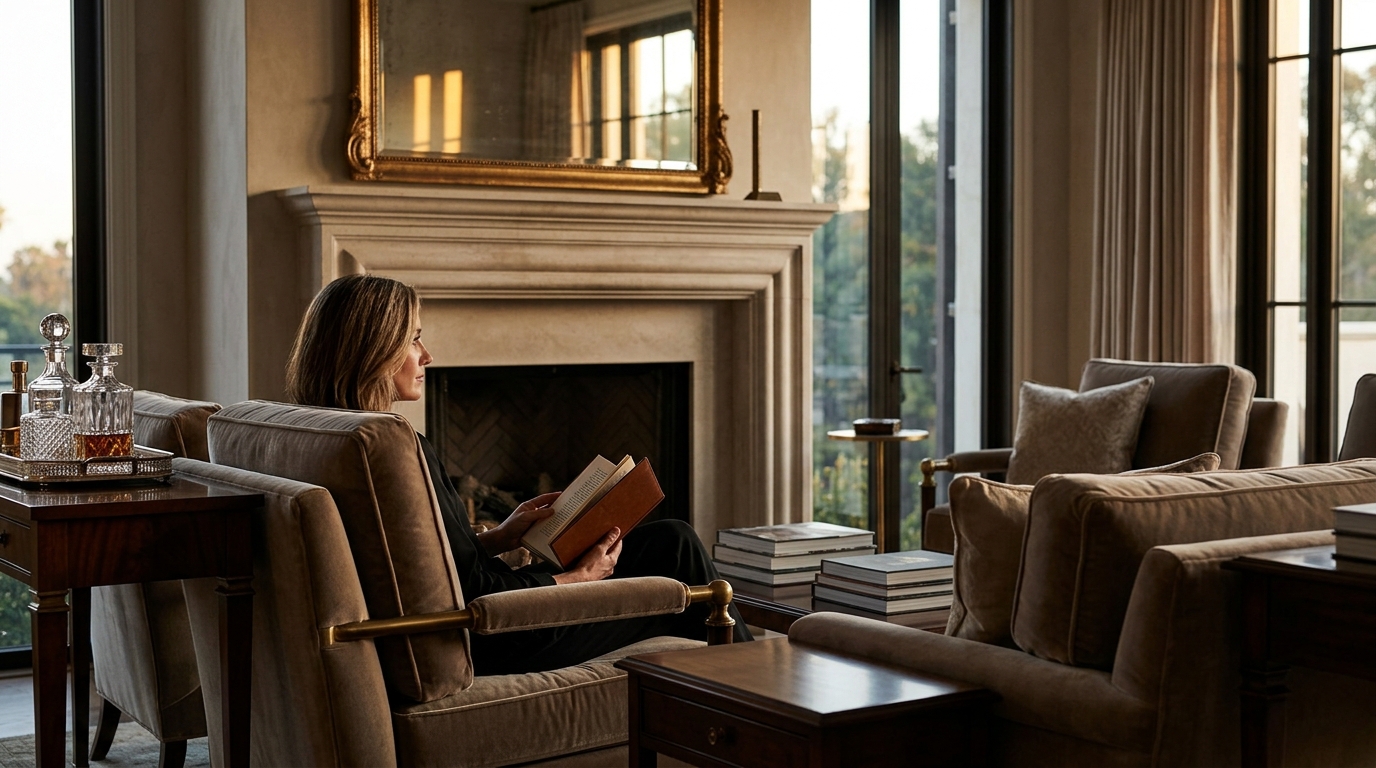
The modern luxury real estate market increasingly prioritizes historically inspired aesthetics, with recent industry reports indicating that over sixty percent of high-net-worth buyers now request heritage-inspired interiors. This shift reflects a broader cultural pivot toward timeless sophistication rather than fleeting trends. When clients commission bespoke environments, they typically seek either the dramatic opulence of Hollywood glamour or the refined restraint of American elegance. Both styles demand meticulous material selection and architectural precision. Understanding their distinct visual languages allows property owners to curate spaces that balance historical reverence with contemporary living standards.
Defining the Visual Lexicon
Interior design movements emerge from specific cultural epochs and socioeconomic conditions. Hollywood glamour style is a mid-twentieth century aesthetic characterized by high-contrast lighting, mirrored surfaces, and rich velvet textiles. American elegance interior design is a transatlantic design philosophy emphasizing symmetrical layouts, neutral palettes, and architectural millwork. These frameworks establish the foundational vocabulary for luxury residential projects. Designers must evaluate spatial proportions before selecting finishes. The visual lexicon dictates how light interacts with surfaces and how occupants navigate through curated environments. Establishing clear definitions prevents stylistic confusion during the procurement phase.
Hollywood Glamour Architecture
The Golden Age of cinema established a blueprint for theatrical residential spaces. Architects prioritize dramatic focal points and layered illumination. Mirrored walls amplify natural light while creating an illusion of expanded square footage. High-gloss lacquered cabinetry reflects ambient lighting to produce a polished atmosphere. Velvet upholstery and silk drapery introduce tactile contrast against hard architectural surfaces. This approach requires precise lighting calculations to avoid visual clutter. Portfolio examples demonstrate how strategic placement of metallic accents elevates spatial drama. The style thrives in properties with high ceilings and expansive floor plans. Designers integrate custom chandeliers and sculptural staircases to reinforce the cinematic narrative. Every element must serve a deliberate visual purpose. Redundant ornamentation is strictly avoided to maintain architectural integrity.
American Elegance Principles
Transatlantic design traditions prioritize understated sophistication and structural harmony. Symmetrical room layouts establish a sense of order and balance. Neutral color palettes featuring cream, taupe, and soft gray create a calming backdrop. Architectural millwork, including crown molding and wainscoting, defines spatial boundaries without heavy ornamentation. This framework emphasizes comfort alongside visual refinement. About the firm highlights how decades of experience refine these classical proportions. Furniture selections focus on ergonomic comfort and durable craftsmanship. Natural stone flooring and hardwood parquet establish a warm foundation. The style adapts seamlessly to modern living requirements while preserving historical authenticity. Designers avoid excessive contrast to maintain a cohesive visual flow. Every room must feel intentionally composed rather than artificially staged.
Material Selection Protocols
Material procurement dictates the longevity and tactile quality of luxury interiors. High-performance fabrics must withstand daily use while maintaining their original luster. Natural stone countertops and marble flooring provide enduring structural integrity. Custom millwork requires precise joinery techniques to prevent seasonal expansion. Materials integrity guidelines ensure that every component meets rigorous quality standards. Designers source rare woods and hand-forged metals to elevate spatial character. Sustainable sourcing practices align with modern environmental compliance metrics. Each material undergoes rigorous testing for durability and maintenance requirements. The selection process prioritizes longevity over temporary trends. Proper material pairing prevents visual discord and structural failure. Consistent quality control guarantees that every finish meets premium expectations.
Comparative Design Framework
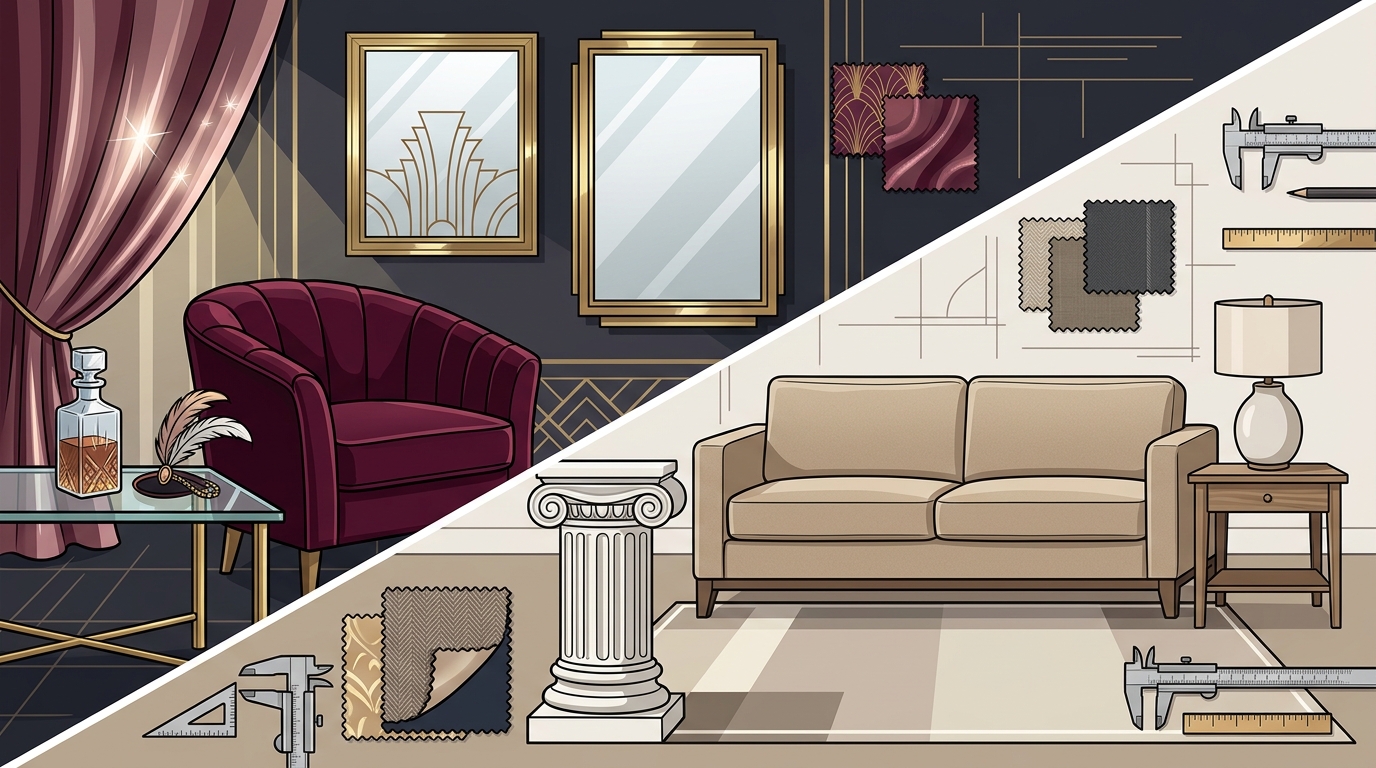
Selecting the appropriate stylistic direction requires careful evaluation of property characteristics and client objectives. The following matrix outlines the core distinctions between these two luxury frameworks. Craftsmanship partners provide specialized fabrication services for each category.
| Design Element | Hollywood Glamour | American Elegance |
|---|---|---|
| Color Palette | High-contrast blacks, golds, and jewel tones | Neutral creams, taupes, and soft grays |
| Lighting Strategy | Dramatic chandeliers and layered accent lighting | Recessed fixtures and natural light maximization |
| Surface Finishes | High-gloss lacquer, mirrored panels, and velvet | Matte stone, hardwood parquet, and linen |
| Spatial Layout | Theatrical focal points and asymmetrical accents | Symmetrical arrangements and balanced proportions |
| Target Application | Entertainment suites and penthouse residences | Family estates and traditional suburban properties |
Key Takeaways
- Hollywood glamour style prioritizes theatrical lighting and high-contrast finishes for dramatic impact.
- American elegance interior design emphasizes symmetrical layouts and neutral palettes for enduring comfort.
- Both frameworks require rigorous material testing and custom fabrication protocols.
- Architectural millwork and natural stone flooring establish foundational spatial boundaries.
- Client lifestyle evaluation determines the optimal stylistic direction for residential projects.
- Custom lighting calculations prevent visual clutter and enhance spatial proportions.
- Longevity and maintenance requirements dictate premium material selection standards.
Frequently Asked Questions
Can these two design styles be successfully combined in a single residence?
Yes, designers frequently integrate Hollywood glamour accents within American elegance foundations to create hybrid environments. Strategic placement of metallic fixtures and velvet textiles adds visual interest without compromising structural balance. This approach requires careful zoning to maintain distinct functional areas.
What is the average project timeline for a luxury interior design commission?
Comprehensive residential projects typically require eighteen to twenty-four months to complete. This duration accounts for custom fabrication, material procurement, and precise installation sequencing. International luxury projects often extend beyond standard timelines due to global sourcing requirements.
How do designers handle lighting calculations for high-gloss surfaces?
Lighting engineers model reflection patterns to prevent glare and visual fatigue. Computer-aided simulations predict how polished materials interact with ambient and accent lighting. This technical precision ensures optimal illumination without compromising aesthetic integrity.
What maintenance protocols apply to velvet and high-gloss cabinetry?
Specialized cleaning solutions and microfiber application techniques preserve surface integrity. Regular professional inspections prevent premature wear and material degradation. Quiet luxury wellness frameworks incorporate sustainable maintenance schedules to extend material lifespan.
Which property types benefit most from Hollywood glamour aesthetics?
Penthouse residences and entertainment-focused estates maximize the dramatic impact of high-contrast finishes. Large floor plans allow designers to implement theatrical focal points without spatial constraints. These environments thrive on visual intensity and curated opulence.
How does American elegance adapt to modern technological integration?
Hidden wiring and concealed control panels preserve clean architectural lines. Smart home systems integrate seamlessly into traditional millwork without disrupting visual harmony. This adaptation ensures contemporary functionality remains invisible to the observer.
What certification standards apply to luxury material sourcing?
Industry compliance metrics require documented supply chain transparency and environmental impact assessments. Certified suppliers provide verifiable documentation for all premium materials. This verification process guarantees ethical sourcing and long-term durability.
Next Steps
Transforming your residence into a timeless sanctuary requires expert guidance and meticulous execution. Our team evaluates your spatial requirements, lifestyle objectives, and aesthetic preferences to develop a customized design roadmap. Contact the studio to schedule a comprehensive consultation and begin designing your legacy. Every project begins with a detailed vision assessment and concludes with flawless installation. Secure your exclusive meeting today to explore bespoke environmental solutions.