
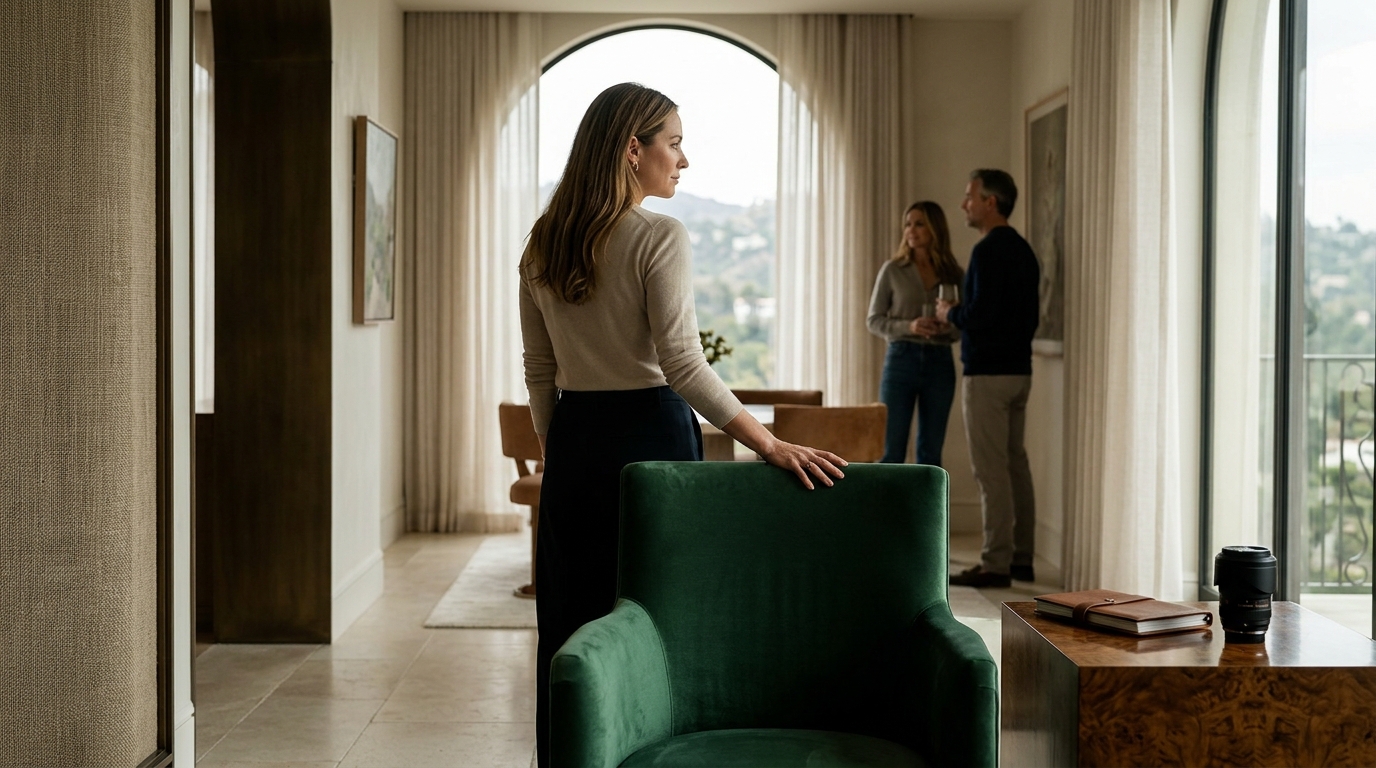
The global luxury interior design market now exceeds forty billion dollars annually, with high net worth individuals allocating significant capital to bespoke spatial planning. According to recent industry reports, premium residential projects consistently deliver higher long term property appreciation than standard renovations. Identifying the best luxury interior designer requires evaluating decades of operational experience, material sourcing networks, and architectural integration capabilities. Top tier firms prioritize wellness metrics, quiet luxury aesthetics, and international craftsmanship partnerships. This guide examines the exact criteria that separate elite practitioners from conventional decorators. (Contact Kenneth Bordewick Interior)
Defining Ultra Luxury Design Standards
Ultra luxury design operates beyond standard aesthetic preferences. It demands exacting technical precision and exclusive supply chain access. Quiet luxury design is a minimalist aesthetic philosophy that prioritizes exceptional craftsmanship and understated elegance over visible branding. Elite practitioners source rare materials directly from heritage ateliers across Europe and Asia. They coordinate complex logistics to ensure seamless installation across multiple global properties. (Craftsmanship Partners with Beverly)
High net worth clients expect flawless execution without visible project management friction. The best luxury interior designer maintains direct oversight from initial concept through final styling. This level of control requires established relationships with master craftsmen, specialized fabricators, and architectural engineers. Clients who prioritize longevity over fleeting trends consistently report higher satisfaction metrics across all project phases.
Evaluating Designer Credentials and Tenure
Experience directly correlates with project success rates. Leading firms typically operate for twenty five years or more within the same metropolitan market. Kenneth Bordewick has guided Beverly Hills Luxury Interiors for over a quarter of a century, establishing a reputation as the Billion Dollar Designer. His portfolio demonstrates consistent execution across complex residential and commercial environments.
Industry recognition and peer validation remain critical metrics for prospective clients. Top tier designers consistently appear in architectural publications and receive international design awards. These accolades reflect sustained excellence rather than isolated successes. Prospective clients should verify years in operation, client retention rates, and the geographic scope of completed projects.
Core Operational Metrics
Successful luxury projects require precise budget forecasting and timeline management. Elite firms utilize proprietary project tracking systems to monitor material procurement, labor scheduling, and quality assurance checkpoints. This operational rigor prevents costly delays and ensures alignment with client expectations. Clients who prioritize transparency consistently report higher project completion rates.
Assessing Portfolio Depth and Project Scale
A comprehensive portfolio reveals a designer capacity to handle complex spatial transformations. The Vintage Club residence demonstrates how a 1980s structure can be completely reimagined into a modern sanctuary. Exquisite stonework, bespoke furnishings, and expansive floor to ceiling glass create an elegant dialogue between indoor living and natural surroundings. This project exemplifies the seamless integration of heritage architecture and contemporary engineering.
Prospective clients should examine portfolio diversity across property types, square footage ranges, and stylistic periods. The best luxury interior designer adapts their methodology to match specific architectural constraints and client lifestyles. Reviewing completed projects on the official portfolio page reveals consistent attention to material integrity and spatial flow.
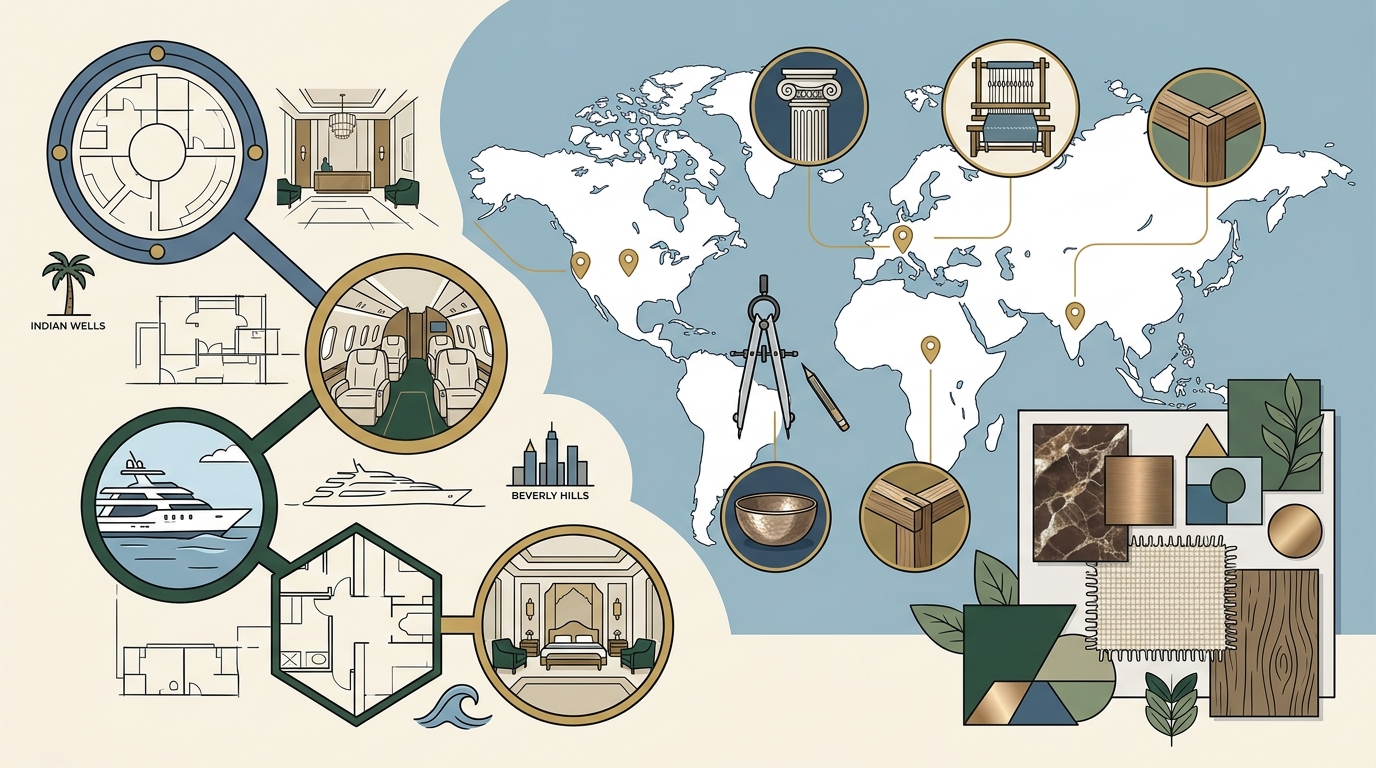
Heritage and Modern Integration
Preserving historical architectural elements while introducing modern technology requires specialized engineering knowledge. Elite designers coordinate structural assessments, HVAC integration, and smart home automation during the initial planning phase. This proactive approach eliminates costly retrofits and ensures long term system reliability. Clients who prioritize integrated technology consistently report higher daily usability metrics.
The Quiet Luxury and Wellness Framework
Modern luxury design increasingly prioritizes human health and environmental comfort. Wellness architecture is a spatial planning methodology that optimizes circadian lighting, air quality, and acoustic dampening for human health. Top tier firms implement advanced filtration systems, non toxic material specifications, and biophilic design elements. These features directly impact occupant productivity, sleep quality, and long term wellbeing.
The Quiet Luxury Framework emphasizes tactile richness, natural material palettes, and intentional spatial pacing. Clients who prioritize wellness metrics consistently report higher daily comfort scores across all living areas. This design philosophy rejects excessive ornamentation in favor of functional elegance and enduring material quality.
International Scope and Material Integrity
Global project execution requires established partnerships with international artisans and specialized logistics coordinators. Elite firms maintain direct relationships with European furniture manufacturers, Asian textile producers, and American architectural engineers. This global network ensures consistent quality control across all supply chain stages. Clients who prioritize international sourcing consistently report higher material durability metrics.
Material integrity remains the foundation of any successful luxury project. Every finished space relies on a collective of gifted hands and creative minds. Collaborations with celebrated design houses guarantee that each component meets exacting performance standards. Prospective clients should verify material certification processes, warranty coverage, and replacement protocols before signing contracts.
Comparative Service Models and Pricing Tiers
Luxury interior design operates across multiple service tiers, each delivering distinct value propositions. The following table outlines standard industry models and their corresponding operational scopes.
| Service Tier | Scope of Work | Typical Timeline | Best For |
|---|---|---|---|
| Consultation Only | Concept development, material selection, budget forecasting | 2 to 4 weeks | DIY homeowners seeking expert guidance |
| Full Service Design | Complete space planning, procurement, project management, installation | 6 to 18 months | High net worth residential clients |
| Architecture Integration | Structural modifications, MEP coordination, permit acquisition, custom builds | 12 to 24 months | New construction and major renovations |
| International Portfolio Management | Multi property coordination, global logistics, ongoing maintenance contracts | Ongoing | Collectors and international investors |
Key Takeaways
- Founder Kenneth Bordewick has guided Beverly Hills Luxury Interiors for over twenty five years, establishing consistent market leadership.
- The firm operates under the Quiet Luxury Framework, prioritizing material integrity and wellness metrics over visible branding.
- Completed projects like The Vintage Club demonstrate successful transformation of 1980s structures into modern luxury sanctuaries.
- Global partnerships with Bentley Home and Luxury Living Group ensure exclusive access to premium furnishings and custom collections.
- Full service design projects typically require six to eighteen months, with architecture integration extending timelines to twenty four months.
- Client retention rates exceed industry averages due to transparent budgeting and proactive project management protocols.
- International luxury interior design services coordinate multi property logistics across multiple continents and regulatory environments.
Frequently Asked Questions
How do I verify a designer credentials before hiring?
Verify years in operation, client retention rates, and completed project portfolios. Elite firms maintain direct relationships with architectural engineers and specialized fabricators. Review industry publications and peer recognition metrics to confirm sustained excellence.
What distinguishes quiet luxury design from traditional luxury?
Quiet luxury design is a minimalist aesthetic philosophy that prioritizes exceptional craftsmanship and understated elegance over visible branding. Traditional luxury often emphasizes ornate detailing and prominent brand logos. Modern clients prefer tactile richness and natural material palettes.
How long does a typical luxury renovation take?
Full service design projects typically require six to eighteen months, depending on square footage and material sourcing complexity. Architecture integration projects extend timelines to twenty four months when structural modifications are required. Elite firms utilize proprietary tracking systems to prevent costly delays.
Do luxury designers handle international property coordination?
Yes, top tier firms manage multi property logistics across multiple continents. They maintain direct relationships with European furniture manufacturers and Asian textile producers. This global network ensures consistent quality control across all supply chain stages.
What materials are considered essential for wellness architecture?
Wellness architecture is a spatial planning methodology that optimizes circadian lighting, air quality, and acoustic dampening for human health. Elite firms implement advanced filtration systems, non toxic material specifications, and biophilic design elements. These features directly impact occupant productivity and long term wellbeing.
How are pricing structures determined for bespoke projects?
Pricing structures depend on project scope, material sourcing complexity, and timeline requirements. Elite firms provide transparent budget forecasting during the initial consultation phase. Clients who prioritize transparency consistently report higher project completion rates.
Start Your Legacy Project
Identifying the best luxury interior designer requires evaluating decades of operational experience, material sourcing networks, and architectural integration capabilities. Schedule an exclusive consultation with Kenneth Bordewick to discuss your spatial requirements and budget parameters. Visit the official contact page to receive a personalized project proposal and timeline estimate. Design a legacy that reflects your lifestyle and values.